
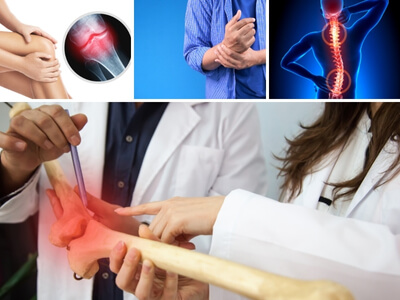
Bones are the foundation of our bodies—literally. They support movement, protect vital organs, and store essential minerals like calcium and phosphorus. Yet, bones are not static structures; they are living tissues that constantly break down and rebuild in a process called bone remodeling. When this process is disrupted, it can lead to serious bone diseases that weaken the skeleton and increase the risk of fractures.
At Florida Endocrinology and Diabetes Center, we specialize in diagnosing and managing bone disorders, especially those related to hormonal imbalances and metabolic dysfunctions. In this blog, we’ll explore the three major bone diseases that affect millions of people worldwide:
✅ Osteoporosis
✅ Osteomalacia
✅ Paget’s Disease of Bone
We’ll break down what each condition is, how it develops, common symptoms, risk factors, diagnostic approaches, and the latest treatment strategies.
Understanding the 3 Major Bone Diseases: Osteoporosis, Osteomalacia, and Paget’s Disease
1️⃣ Osteoporosis: The Silent Bone Thief
What is Osteoporosis?
Osteoporosis is the most common bone disease, affecting over 10 million Americans—primarily postmenopausal women and older adults. It occurs when bone breakdown outpaces bone formation, leading to low bone density and fragile bones that can easily fracture.
How Does Osteoporosis Develop?
Bone is a dynamic tissue, with cells called osteoclasts breaking down old bone and osteoblasts building new bone. After around age 30, bone formation slows down, and bone resorption speeds up. In conditions like osteoporosis, this imbalance accelerates, causing bones to become porous, brittle, and prone to fractures—especially in the hip, spine, and wrist.
Risk Factors
- Age (especially over 50)
- Female sex (due to lower estrogen levels after menopause)
- Family history of osteoporosis or fractures
- Low calcium and vitamin D intake
- Sedentary lifestyle
- Smoking and excessive alcohol use
- Certain medications (e.g., corticosteroids, some cancer treatments)
Symptoms
Osteoporosis is often called the “silent disease” because it usually has no symptoms until a fracture occurs. However, some signs may include:
- Loss of height over time
- Stooped posture (kyphosis)
- Back pain (from vertebral fractures)
Diagnosis
At Florida Endocrinology and Diabetes Center, we use Dual-Energy X-ray Absorptiometry (DEXA) scans to measure Bone Mineral Density (BMD). A T-score ≤ -2.5 confirms osteoporosis. We also assess fracture risk using tools like FRAX.
Treatment
Managing osteoporosis involves a combination of lifestyle modifications and medical therapies:
- Calcium and Vitamin D supplementation
- Weight-bearing exercise (walking, strength training)
- Medications:
- Bisphosphonates (alendronate, risedronate)
- Denosumab (Prolia)
- Anabolic agents (teriparatide, abaloparatide)
- Selective Estrogen Receptor Modulators (SERMs) (raloxifene)
- Fall prevention strategies (home safety assessments, balance training)
2️⃣ Osteomalacia: The Softening of Bones
What is Osteomalacia?
While osteoporosis involves low bone density, osteomalacia is a condition characterized by impaired bone mineralization, leading to soft, weak bones. It is the adult form of rickets, which occurs in children. In osteomalacia, bones cannot harden properly because they lack enough calcium or phosphate, usually due to vitamin D deficiency.
Causes of Osteomalacia
The most common cause is insufficient vitamin D, which may result from:
- Limited sun exposure (UV light is essential for vitamin D synthesis)
- Dietary deficiencies (low intake of vitamin D-rich foods like fatty fish, fortified dairy)
- Malabsorption disorders (celiac disease, Crohn’s disease, gastric bypass)
- Kidney or liver disease (which impairs vitamin D activation)
- Certain medications (e.g., anticonvulsants, phosphate binders)
Symptoms
Unlike osteoporosis, osteomalacia often presents with bone pain and muscle weakness. Common symptoms include:
- Dull, aching pain in the lower back, hips, or legs
- Difficulty walking or climbing stairs
- Muscle weakness, especially in the thighs and shoulders
- Increased risk of fractures (especially in the ribs, spine, and pelvis)
- Waddling gait in severe cases
Diagnosis
Diagnosis involves a combination of:
- Blood tests:
- Low vitamin D (25-hydroxyvitamin D < 20 ng/mL)
- Low calcium and phosphate levels
- Elevated alkaline phosphatase (ALP)
- Possible secondary hyperparathyroidism
- X-rays or bone scans may reveal Looser’s zones—areas of incomplete fractures.
- Bone biopsy (rarely needed) confirms defective mineralization.
Treatment
The cornerstone of osteomalacia management is replenishing vitamin D and correcting underlying causes:
- Vitamin D supplementation (high-dose initially, then maintenance dosing)
- Calcium and phosphate supplementation as needed
- Addressing malabsorption issues or other contributing factors
Once vitamin D and mineral levels are corrected, symptoms often improve within weeks to months.
3️⃣ Paget’s Disease of Bone: Abnormal Bone Remodeling
What is Paget’s Disease?
Paget’s disease of bone is a chronic bone disorder where normal bone remodeling is replaced by disorganized, excessive bone turnover. This leads to enlarged, weakened, and deformed bones that are more susceptible to fractures and arthritis.
Paget’s disease is relatively rare, affecting about 1–2% of people over 55, but it can cause significant complications if untreated.
How Does Paget’s Disease Develop?
Paget’s disease occurs when osteoclasts (bone-resorbing cells) become overactive, leading to excessive bone breakdown. In response, osteoblasts (bone-building cells) lay down new bone rapidly—but the new bone is disorganized and structurally weaker.
The exact cause is unknown, but genetics and possible viral triggers (e.g., paramyxovirus) are suspected.
Common Sites Affected
- Pelvis (most common)
- Spine
- Skull
- Femur
- Tibia
Symptoms
Many people with Paget’s disease have no symptoms and are diagnosed incidentally. When symptoms occur, they may include:
- Bone pain (deep, dull, aching pain)
- Bone deformities (bowing of the legs, enlarged skull)
- Fractures (due to weakened bone)
- Hearing loss (if skull is involved)
- Warmth over affected bones (due to increased blood flow)
Complications
- Arthritis in nearby joints
- Fractures and bone deformities
- Nerve compression (e.g., spinal stenosis, hearing loss)
- Rarely, osteosarcoma (a type of bone cancer)
Diagnosis
Paget’s disease is diagnosed through:
- Blood tests:
- Elevated alkaline phosphatase (ALP) (a hallmark finding)
- X-rays:
- Enlarged bones with coarse trabeculation and cortical thickening
- Bone scans to assess the extent of disease
Treatment
Not everyone with Paget’s disease requires treatment. However, therapy is indicated for those with bone pain, risk of complications, or active disease.
Treatment options include:
- Bisphosphonates (first-line therapy: alendronate, risedronate, zoledronic acid)
- Pain management (acetaminophen, NSAIDs)
- Monitoring of ALP levels and symptoms
Summary Table: Comparing the 3 Major Bone Diseases
Feature | Osteoporosis | Osteomalacia | Paget’s Disease |
Main Problem | Low bone density | Impaired mineralization | Abnormal bone remodeling |
Bone Quality | Brittle | Soft | Disorganized and deformed |
Common Causes | Aging, hormonal changes | Vitamin D deficiency | Genetic, viral triggers |
Symptoms | Often silent; fractures | Bone pain, weakness | Bone pain, deformities |
Labs | Low BMD, normal labs | Low vitamin D, Ca, phosphate | High ALP |
Treatment | Bisphosphonates, lifestyle | Vitamin D, Ca, treat cause | Bisphosphonates |
Final Thoughts: Healthy Bones for Life
Bone diseases like osteoporosis, osteomalacia, and Paget’s disease can have profound effects on your health, mobility, and quality of life. The good news is that early detection, proper diagnosis, and targeted treatments can help manage these conditions effectively.
At Florida Endocrinology and Diabetes Center, we are committed to helping you maintain strong, healthy bones. Whether you need a bone density scan, a personalized nutrition plan, or advanced medical therapies, our team of experts is here to support your bone health journey.
If you’re concerned about your bone health or have a family history of bone disease, don’t wait—schedule an appointment with us today. Let’s work together to build a stronger, healthier future.