
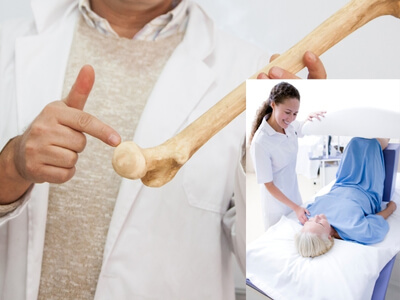
For adults in Tampa Bay and across the Sunshine State, life after 50 is a time to enjoy retirement, travel, and family. Yet, as we age, our bones naturally lose strength and density, increasing the risk of fractures, falls, and long-term disability. Bone health is a silent yet critical component of overall well-being, and prioritizing it after 50 is essential for maintaining independence and quality of life.
Why Bone Health Matters After 50
At Florida Endocrinology and Diabetes Center, we specialize in bone health and metabolic disorders that affect adults and seniors in our community. This comprehensive guide offers practical, evidence-based tips tailored for Tampa Bay residents, empowering you to build and maintain strong bones for years to come.
Understanding Bone Changes After 50
Your bones are living tissues, constantly remodeling through a process of breakdown (resorption) and rebuilding (formation). In youth, bone formation outpaces breakdown. However, by your 50s, this balance shifts, and bone loss gradually accelerates.
Here’s what happens:
- Women after menopause: Estrogen levels decline sharply, leading to rapid bone loss (up to 20% in the first five years post-menopause).
- Men after 50: Testosterone levels drop gradually, contributing to a slower, yet steady decline in bone density.
- Both sexes: Absorption of calcium and vitamin D decreases with age, while risks of chronic diseases and medication side effects increase.
The result? Weaker, more fragile bones—especially in the spine, hips, and wrists—that are prone to fractures.
The Tampa Bay Factor: Local Lifestyle & Bone Health
Tampa Bay’s warm climate and active senior community offer advantages for outdoor exercise, yet there are unique challenges:
- Vitamin D deficiency is common, despite the sunshine, due to sunscreen use, limited sun exposure (especially in hot months), and older skin’s reduced ability to produce vitamin D.
- Retirement lifestyles can lead to less structured exercise routines.
- Dietary habits may shift, with some seniors reducing dairy or calcium-rich foods.
By understanding these factors, you can take targeted actions to support your bone health.
1️⃣ Get Enough Calcium—But From the Right Sources
Why It Matters
Calcium is the cornerstone of bone strength. After 50, your body absorbs less calcium, and your bones rely more on dietary intake. Adults over 50 need 1,200 mg of calcium daily.
Tampa Bay-Specific Tips
✅ Incorporate dairy products like low-fat milk, yogurt, and cheese if tolerated.
✅ Try plant-based sources: leafy greens (kale, collard greens), almonds, and fortified plant milks.
✅ Explore local seafood: Sardines and salmon with bones are excellent sources of calcium.
✅ Consider supplements if dietary intake is insufficient—calcium citrate is often better absorbed, especially for those with reduced stomach acid.
2️⃣ Don’t Forget Vitamin D—The “Sunshine Vitamin”
Why It Matters
Vitamin D is essential for calcium absorption and bone mineralization. Without enough, even a calcium-rich diet won’t protect your bones.
Tampa Bay Challenges
Despite abundant sunshine, vitamin D deficiency is surprisingly common in Florida due to:
- Sunscreen use
- Staying indoors during peak heat hours
- Older adults’ reduced skin production
Action Steps
✅ Get your vitamin D levels checked (ask your doctor for a 25(OH)D test).
✅ Aim for 800–1000 IU of vitamin D daily—through sun exposure, diet, or supplements.
✅ Include vitamin D-rich foods: salmon, tuna, egg yolks, and fortified dairy or plant milk.
✅ Enjoy safe sun exposure: 10–20 minutes a few times a week (without sunscreen on small skin areas).
3️⃣ Stay Active with Bone-Strengthening Exercises
Why It Matters
Weight-bearing and resistance exercises stimulate bone formation. Inactivity leads to bone loss, while regular movement strengthens bones and improves balance—reducing fall risk.
Best Exercises for Tampa Bay Residents
✅ Walking: Enjoy Tampa’s beautiful parks and beaches—aim for 30 minutes most days.
✅ Strength training: Incorporate resistance bands, free weights, or bodyweight exercises at home or at a local gym.
✅ Tai Chi or Yoga: Improve balance, flexibility, and core strength to prevent falls.
✅ Dance classes or pickleball: Fun, social activities that also promote bone health.
4️⃣ Watch Out for Bone-Draining Medications
Common Medications That Affect Bones
Certain medications increase bone loss risk, including:
- Corticosteroids (prednisone for arthritis or asthma)
- Proton pump inhibitors (PPIs) (for acid reflux)
- Anticonvulsants (for seizures or neuropathy)
- Certain cancer treatments (like aromatase inhibitors for breast cancer)
What You Can Do
✅ Review medications annually with your doctor or pharmacist.
✅ If you must take bone-impacting meds, discuss preventive strategies (such as calcium, vitamin D, and bone density monitoring).
✅ Ask your endocrinologist about bone-protective therapies if at higher risk.
5️⃣ Prioritize Bone Density Screening
Why It Matters
Many seniors in Tampa Bay don’t know they have osteoporosis until a fracture occurs. A DEXA scan (dual-energy X-ray absorptiometry) is a simple, painless test that measures bone density.
When to Get Tested
✅ Women 65+ and men 70+: At least once for baseline assessment.
✅ Postmenopausal women under 65 with risk factors (like family history, smoking, or fractures).
✅ Anyone over 50 with a fracture from a minor fall.
✅ Adults on long-term steroids or other bone-impacting medications.
6️⃣ Embrace a Bone-Healthy Diet
Foods to Include
✅ Calcium-rich choices: Dairy, leafy greens, almonds, tofu, fortified foods.
✅ Vitamin D sources: Fatty fish, fortified foods, egg yolks.
✅ Magnesium and potassium: Nuts, seeds, avocados, bananas, beans.
✅ Protein: Lean meats, poultry, fish, eggs, legumes (protein is essential for bone matrix).
✅ Limit sodium and caffeine, which can leach calcium from bones.
7️⃣ Quit Smoking & Limit Alcohol
Why It Matters
Both smoking and excess alcohol weaken bones by interfering with calcium absorption and bone formation. Seniors who smoke or drink heavily have higher rates of osteoporosis and fractures.
Action Steps
✅ Quit smoking: Ask about local cessation programs or medications to help.
✅ Limit alcohol: No more than 1 drink per day for women and 2 for men.
8️⃣ Fall-Proof Your Home
Why It Matters
Even strong bones can fracture during a fall. Tampa Bay seniors often face fall risks due to balance issues, vision changes, and medications.
Safety Checklist
✅ Install grab bars in bathrooms.
✅ Remove tripping hazards (loose rugs, clutter).
✅ Use non-slip mats in the shower.
✅ Ensure good lighting in all rooms.
✅ Consider a home safety assessment by a professional.
9️⃣ Manage Underlying Health Conditions
Certain medical issues increase bone risk:
- Diabetes
- Thyroid disorders
- Kidney disease
- Rheumatoid arthritis
If you have these conditions, work closely with your healthcare team to manage them and monitor bone health regularly.
10️⃣ Partner with Bone Health Specialists
At Florida Endocrinology and Diabetes Center, we provide comprehensive bone health evaluations for Tampa Bay residents, including:
✅ DEXA scans
✅ Vitamin D and calcium testing
✅ Hormone assessments
✅ Medication reviews
✅ Personalized nutrition and exercise plans
✅ Advanced osteoporosis treatments (like bisphosphonates, denosumab, or anabolic agents)
Final Thoughts: Stronger Bones, Healthier Life
Maintaining healthy bones after 50 is a lifelong commitment—and a worthwhile one. By incorporating calcium-rich nutrition, vitamin D awareness, safe sun exposure, bone-strengthening exercise, and regular screenings, you can reduce fracture risk and stay active, independent, and vibrant in the years ahead.
At Florida Endocrinology and Diabetes Center, we’re honored to support Tampa Bay residents in their journey to stronger bones and better health. Let’s build a stronger future together!
Also Read: Top 5 Causes of Metabolic Bone Disease in Seniors in the Tampa Bay Area