
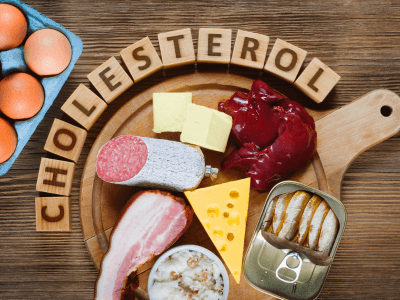
Cholesterol plays a crucial role in your body, but when levels—particularly low-density lipoprotein (LDL) cholesterol—become too high, it significantly increases your risk of heart disease and stroke. The good news is that simple, consistent lifestyle changes can dramatically improve your cholesterol profile—and often, without the need for medications.
At Florida Endocrinology and Diabetes Center, we emphasize evidence-based lifestyle interventions as a foundational part of cholesterol management. Whether you’ve just been diagnosed with high cholesterol or are looking to keep your numbers in check, this guide offers 10 powerful changes you can start implementing today.
1. Adopt a Heart-Healthy Diet
Your diet directly affects your cholesterol levels. Reducing saturated and trans fats while increasing fiber-rich foods can lower LDL and raise HDL.
Tips:
- Cut saturated fats found in red meat, full-fat dairy, butter, and fried foods.
- Eliminate trans fats (often labeled as “partially hydrogenated oils”) from packaged snacks and baked goods.
- Eat more soluble fiber from oats, beans, lentils, apples, and psyllium husk—it binds to cholesterol and removes it from your body.
- Include healthy fats such as those in olive oil, avocados, nuts, and fatty fish like salmon and mackerel.
- Try plant sterols and stanols, found in fortified foods like margarine spreads and orange juice—they help block cholesterol absorption.
2. Exercise Regularly
Physical activity helps raise HDL (the “good” cholesterol) and lowers LDL and triglycerides. It also supports weight loss and cardiovascular health.
Recommendations:
- Aim for at least 150 minutes of moderate-intensity aerobic activity per week (such as brisk walking, swimming, or cycling).
- Incorporate strength training twice a week to improve metabolism and maintain muscle mass.
- Use everyday movement: Take stairs, walk after meals, and stand more often during the day.
3. Lose Excess Weight
Even a 5–10% reduction in body weight can significantly improve cholesterol levels, especially triglycerides and LDL.
Strategies:
- Reduce portion sizes and track your daily caloric intake.
- Limit sugar-sweetened beverages and processed snacks.
- Combine diet changes with physical activity to accelerate fat loss.
4. Quit Smoking
Smoking damages blood vessels, lowers HDL cholesterol, and increases the risk of heart disease—even in people with normal cholesterol levels.
Benefits of Quitting:
- Within 20 minutes: Heart rate and blood pressure drop.
- Within 1 year: Risk of heart disease is halved.
- Long-term: HDL cholesterol rises and blood flow improves.
If you need support, we offer smoking cessation counseling and medication guidance at our center.
5. Limit Alcohol Intake
Moderate alcohol may have some benefits for HDL, but excessive intake raises triglycerides and increases blood pressure.
Guidelines:
- Men: No more than 2 drinks per day
- Women: No more than 1 drink per day
Better still—consider alcohol-free days or mocktail alternatives to reduce long-term heart risk.
6. Manage Stress Effectively
Chronic stress can raise cholesterol levels indirectly through unhealthy coping mechanisms like poor diet, inactivity, and smoking.
Healthy Stress Management Techniques:
- Practice mindfulness, meditation, or yoga.
- Get adequate sleep (7–9 hours/night).
- Use deep breathing exercises or progressive muscle relaxation.
- Engage in hobbies or social activities.
At Florida Endocrinology, we integrate behavioral wellness into our holistic treatment plans to reduce the metabolic impact of stress.
7. Reduce Sugar and Refined Carbohydrates
High intake of sugar and processed carbs increases triglycerides, lowers HDL, and contributes to weight gain and insulin resistance.
What to Avoid:
- Sugary drinks (sodas, juices, energy drinks)
- Refined grains (white bread, pastries, white rice)
- Ultra-processed snacks (chips, candy bars)
What to Eat Instead:
- Whole grains (quinoa, brown rice, oats)
- Legumes (lentils, black beans)
- Fresh fruits in moderation
8. Increase Omega-3 Fatty Acids
Omega-3s are heart-friendly fats that lower triglycerides, reduce inflammation, and may help increase HDL.
Best Sources:
- Fatty fish (salmon, sardines, mackerel)
- Walnuts and flaxseeds
- Chia seeds
- Omega-3 supplements (EPA/DHA)
We provide personalized supplement guidance at our clinic to ensure safety and effectiveness.
9. Stick to a Consistent Routine
Cholesterol responds better to consistent long-term habits than to temporary diet fads or workout binges.
Consistency Tips:
- Plan meals and workouts ahead of time.
- Track progress with apps or journals.
- Set realistic goals and celebrate small wins.
- Work with a care team for accountability.
Our specialists at Florida Endocrinology can help design a sustainable wellness plan based on your individual profile.
10. Get Regular Cholesterol Screenings
You can’t manage what you don’t measure. Regular testing helps track your progress and alert you to silent risks before they become emergencies.
Our Cholesterol Testing Services Include:
- Lipid panel: Measures total cholesterol, LDL, HDL, and triglycerides.
- Advanced lipid tests: Include particle size analysis, apolipoprotein levels, and Lp(a).
- Metabolic health assessments: Check insulin resistance, blood sugar, and inflammatory markers.
We recommend screening:
- Every 4–6 years for healthy adults
- Annually for those with high cholesterol, diabetes, or family history of heart disease
How to Get Your Cholesterol Tested
Final Thoughts: Lifestyle is Your Best Medicine
Improving your cholesterol doesn’t always require a prescription—your daily habits can be more powerful than pills. By embracing these 10 lifestyle changes, you can naturally lower LDL, boost HDL, reduce inflammation, and protect your heart for years to come.
At Florida Endocrinology and Diabetes Center, our team of board-certified endocrinologists and dietitians are committed to helping you transform your lifestyle, not just treat your lab results.
Ready to Take Control of Your Cholesterol?
✅ Book a consultation with our experts
✅ Get a personalized nutrition and exercise plan
✅ Access advanced testing and long-term support
📍 Serving the Florida area
📞 Call us today or schedule online to start your journey to a healthier heart.