
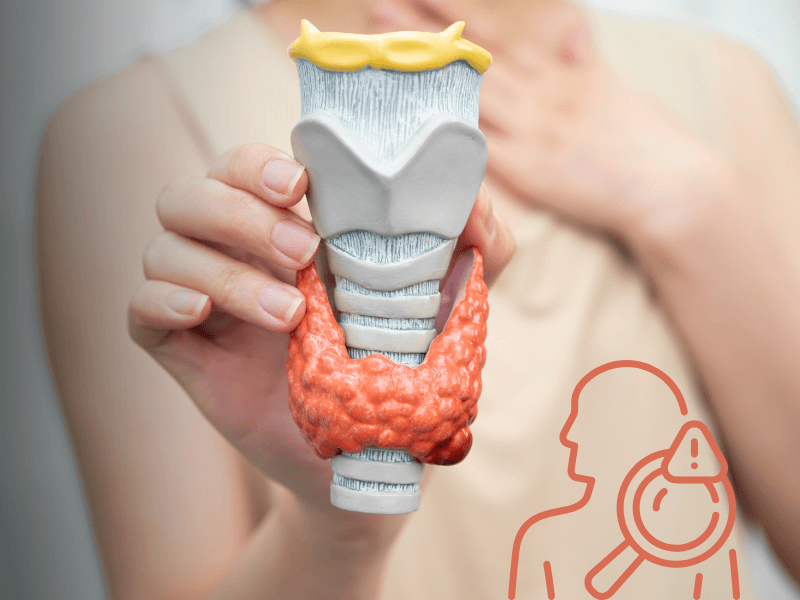
The endocrine system is one of the most powerful yet overlooked networks inside the human body. It silently regulates metabolism, hormones, growth, fertility, blood sugar, energy levels, mood, and more — every second, without pause. When this system falters even slightly, the earliest signs are often subtle. Many people dismiss them as “stress”, “aging”, or “normal fluctuations”, unknowingly allowing a treatable issue to progress into something chronic or life-altering.
At Florida Endocrinology & Diabetes Center, we meet patients every week who wish they had listened to their symptoms sooner. Early intervention is the difference between manageable care and years of fatigue, unexplained weight gain, or uncontrolled diabetes. To help you stay one step ahead of your health, our specialists have outlined the 12 symptoms you should never ignore, why they happen, and when it’s time to seek expert guidance.
1. Chronic Fatigue That Doesn’t Improve With Rest
Feeling tired after long days is normal — but persistent exhaustion that lingers even after good sleep can signal a hormonal imbalance. Thyroid disorders, adrenal dysfunction, and uncontrolled diabetes often drain the body’s energy supply.
Why it matters: Low thyroid (hypothyroidism) slows metabolism, while high/low cortisol from adrenal issues disrupts sleep and stress response. Blood sugar fluctuations in diabetes can also cause ongoing fatigue.
Don’t ignore if you notice:
- Needing naps to function
- Brain fog or mental slowdown
- Cold intolerance or low motivation
Early testing for thyroid, adrenal, and glucose levels can help catch issues fast.
2. Unexplained Weight Gain or Sudden Weight Loss
Weight changes are often the first red flags of endocrine imbalance. Hormones guide how your body stores fat, burns calories, and regulates appetite.
Possible causes:
- Hypothyroidism: weight gain, bloating, slowed metabolism
- Hyperthyroidism: rapid weight loss despite eating normally
- Cushing’s syndrome: fat accumulation around the face and abdomen
- Diabetes: unexplained weight loss due to energy loss in urine
If your weight shifts without any change in diet or activity, testing is essential.
3. Excessive Thirst & Frequent Urination
Drinking more during summer is normal — but extreme thirst (polydipsia) combined with urinating frequently (polyuria) is a classic warning sign of type 2 diabetes or uncontrolled blood sugar.
Why it happens:
High glucose pulls water from tissues, sending you to the bathroom constantly. This further triggers thirst, creating a cycle.
Signs you shouldn’t overlook:
- Waking up multiple times at night to urinate
- Dry mouth
- Unexplained fatigue or blurred vision
Unmanaged diabetes can damage nerves, kidneys, eyes, and heart — early screening protects long-term health.
4. Irregular or Missing Menstrual Cycles
Hormones are central to reproductive health. Menstrual irregularities may indicate underlying endocrine conditions like PCOS, thyroid disorders, or elevated prolactin.
Look out for:
- Periods that are late, absent, or unusually heavy/light
- Sudden cycle changes post-stress or weight fluctuations
- Difficulty conceiving
Women often normalize menstrual changes, but consistent irregularity is never just “normal” — it’s a signal.
5. Hair Loss or Excess Hair Growth
Hormonal imbalance affects hair follicles quickly. Thinning hair or bald patches could suggest thyroid disorders or adrenal insufficiency, while sudden facial or body hair growth may point to PCOS or high androgen levels.
Other signs that commonly accompany hair issues:
- Acne or oily skin
- Weight gain around abdomen
- Mood swings
The sooner hormone levels are evaluated, the better the chances of hair recovery.
6. Persistent Mood Swings, Anxiety, or Depression
Mental health and hormones are deeply interconnected. Fluctuations in thyroid hormones, cortisol, estrogen, and testosterone can mimic or worsen anxiety and depression.
You may notice:
- Irritability or emotional sensitivity
- Low motivation or loss of interest
- Panic attacks or unexplained sadness
If mood changes appear suddenly without a known cause, an endocrine assessment may reveal the missing piece.
7. Constant Hunger or Loss of Appetite
Changes in appetite reflect metabolic imbalance. Hormones like insulin, ghrelin, leptin, and cortisol determine hunger signals.
Possible indicators:
- Increased hunger shortly after eating (common in diabetes)
- Loss of appetite linked to hyperthyroidism or adrenal issues
- Emotional eating during stress
Listening to your body instead of ignoring appetite fluctuations prevents long-term metabolic damage.
8. Swelling in the Neck or Visible Changes in the Throat Area
A lump, swelling, or tightness in the neck region could indicate a thyroid nodule, goiter, or in rare cases, thyroid cancer.
Symptoms to pay attention to:
- Difficulty swallowing or breathing
- Voice changes or hoarseness
- A visible bulge in the throat
Thyroid conditions are highly treatable — only if detected early.
9. Tingling, Numbness & Burning Sensation in Hands or Feet
Neuropathy — nerve damage — is a silent complication of diabetes and thyroid disorders. Tingling or burning sensations in extremities may seem minor initially, but they worsen if underlying glucose imbalance isn’t corrected.
You should seek help if:
- You feel “pins and needles” often
- Pain worsens at night
- Balance or grip feels weaker
Identifying nerve damage early prevents permanent loss of sensation.
10. Skin Changes That Appear Gradually
Your skin is a mirror to your endocrine health. Look out for:
- Dark patches behind neck/armpits (acanthosis nigricans — insulin resistance)
- Dry, flaky skin (hypothyroidism)
- Purple stretch marks (Cushing’s syndrome)
- Slow wound healing — common in uncontrolled diabetes
People often treat the symptom (creams, products) instead of the cause (hormones).
11. Infertility or Difficulty Conceiving
Infertility affects millions globally — but many don’t realize hormonal disorders are one of the top causes. Thyroid imbalance, PCOS, low testosterone, or high prolactin can disrupt ovulation and sperm production.
Seek evaluation if:
- You’ve tried conceiving for 6-12 months without success
- Cycles are irregular
- There is low libido or erectile challenges
With timely care, many couples successfully conceive with minimal intervention.
12. Unexplained Muscle Weakness or Bone Pain
Your endocrine system plays a vital role in bone density, calcium absorption, muscle strength, and vitamin D levels.
Warning signs include:
- Frequent fractures or brittle bones
- Leg cramps or muscle weakness
- Lower back pain or height loss
Conditions like hyperparathyroidism or severe vitamin D deficiency often go unnoticed until advanced — early diagnosis protects mobility and strength.
Why Early Detection Matters
Ignoring symptoms often means giving disorders time to progress. Hormonal conditions typically evolve subtly — what starts as fatigue may lead to severe hypothyroidism, what begins as thirst may progress into uncontrolled diabetes.
With early intervention:
- Treatment is simpler
- Medication requirements are lower
- Lifestyle modification becomes effective
- Long-term complications are avoidable
When Should You See an Endocrinologist?
Contact a specialist if you experience:
- Multiple symptoms from the list above
- Symptoms worsening over weeks/months
- Family history of thyroid/diabetes/hormonal disorders
- Difficulty managing weight, periods, mood, or energy
Proactive evaluation is the smartest way to guard your future health.
How Florida Endocrinology & Diabetes Center Can Help
At Florida Endocrinology & Diabetes Center, we provide comprehensive testing and evidence-based treatment for all endocrine conditions. Our approach focuses on accurate diagnosis + personalized care plans, including medication, nutrition guidance, lifestyle modification, and long-term monitoring.
Our specialties include:
- Diabetes & prediabetes management
- Thyroid disorders & thyroid nodules
- PCOS & reproductive hormone care
- Adrenal & pituitary disorders
- Osteoporosis & metabolic bone disease
- Men’s & women’s hormonal health
- Obesity, metabolic syndrome & weight management
You don’t need to wait for symptoms to worsen. A simple evaluation today can prevent years of struggle.
Final Word
Your body speaks — and hormones are often the language. If something feels different, persistent, or unexplained, don’t dismiss it. Awareness is your first line of defense, and timely care can restore balance, vitality, energy, and quality of life.
If you or a loved one is experiencing any symptom on this list, we encourage you to take the next step.
Schedule a consultation with our experts at Florida Endocrinology & Diabetes Center and take control of your hormonal health — starting today.