
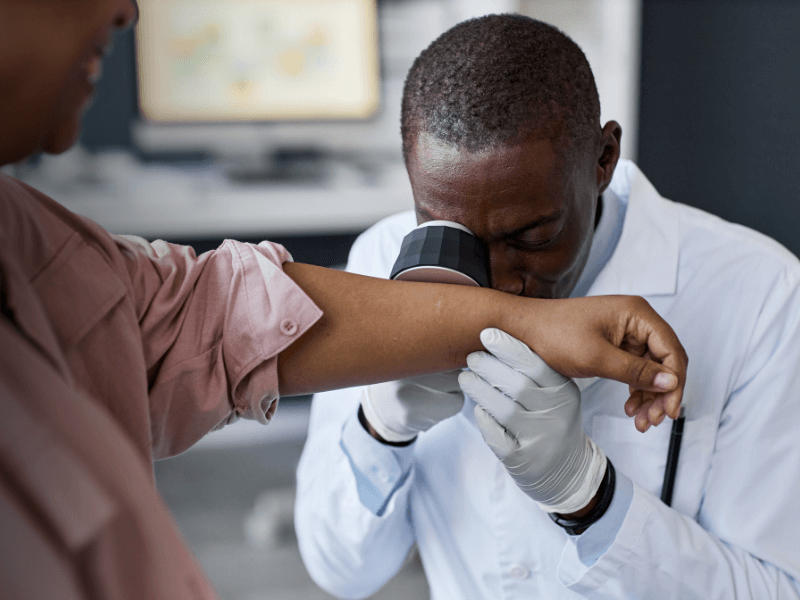
When most people imagine an endocrinology consultation, they think about blood tests, hormone evaluation, or discussions about symptoms like fatigue, weight changes, or mood fluctuations. But many patients are surprised when the doctor gently examines their hands — asking them to stretch their fingers, press their palms together, or look for subtle changes in skin texture, color, nails, or shape.
So why do endocrinologists pay such close attention to your hands?
Because the hands often reveal hidden clues about your hormonal, metabolic, and endocrine health. Long before lab numbers confirm a diagnosis, your body communicates through signs — and the hands are one of the easiest places to detect them. From thyroid disorders to diabetes, pituitary imbalances, adrenal disease, and vitamin deficiencies, your hands can reflect what’s happening internally.
In this detailed guide, we explain exactly what endocrinologists look for in your hands, which conditions these signs may indicate, and when you should seek evaluation.
1. Tremors and Fine Shaking — A Clue Toward Hyperthyroidism
One of the first observations an endocrinologist may make is whether your hands appear steady or shaky.
A subtle tremor, especially when hands are stretched out, may indicate:
- Hyperthyroidism (overactive thyroid)
- Excess thyroid hormone replacing medication
- Stimulant use or high adrenaline states
Hyperthyroidism speeds up the nervous system, causing tremors, anxiety, palpitations, and heat intolerance. Many patients don’t notice the tremor until it’s pointed out — hands often reveal what words cannot describe.
2. Cold, Dry Hands — Possible Sign of Hypothyroidism
If your hands feel cold to touch or excessively dry, your endocrinologist might suspect:
- Hypothyroidism (underactive thyroid)
- Low metabolic rate leading to poor circulation
- Reduced sweat and oil gland activity
Patients often report cold intolerance, brittle nails, fatigue, and weight gain alongside dry hands. The skin becomes rough because thyroid hormones support skin cell turnover and hydration.
3. Sweaty, Warm Hands — Seen Commonly in Hyperthyroidism
In contrast, warm or sweaty palms may signal thyroid hormone excess. An overactive thyroid increases body temperature and sweat gland activity.
Other associated symptoms include:
- Rapid heart rate
- Nervousness
- Increased appetite with weight loss
- Sleep difficulty
A quick touch or visual inspection can help narrow down the diagnosis direction.
4. Carpal Tunnel Symptoms — Linked to Thyroid & Diabetes
If a patient reports numbness, tingling, or pain in the fingers, especially at night, endocrinologists consider:
- Hypothyroidism (fluid retention compresses nerves)
- Diabetes (nerve damage/neuropathy)
- Pregnancy-related hormonal changes
- Autoimmune conditions
The hands help spot neuropathy early — crucial in diabetes management.
5. Skin Texture & Pigmentation Changes — Reflect Hormonal Shifts
Endocrinologists carefully observe skin color, patches, or thickening.
Certain changes suggest specific disorders:
Hand Finding | Possible Condition |
Darkened knuckles or folds | Insulin resistance, diabetes |
Bronze/tanned appearance | Addison’s disease (adrenal insufficiency) |
Dry, pale skin | Hypothyroidism |
Thin, moist skin | Hyperthyroidism |
Purple stretch marks (elsewhere on body) | Cushing’s syndrome |
Skin is a mirror to underlying hormones — hands often carry the first warnings.
6. Nail Changes — Subtle Clues to Endocrine Imbalance
An endocrinologist will often look at your nails for texture, shape, and growth rate.
Common findings:
- Brittle nails → Hypothyroidism, iron deficiency
- Soft, fast-growing nails → Hyperthyroidism speeding metabolism
- Concave spoon-shaped nails → Iron deficiency anemia
- Yellow thick nails → Poor circulation, diabetes risk
- Nail detachment → Severe thyroid dysfunction
These signs guide further lab testing.
7. Swelling, Puffy Fingers — Linked to Thyroid, Kidney & Hormone Disorders
Swelling in the fingers or difficulty removing rings may indicate:
- Hypothyroidism (fluid retention)
- Kidney or adrenal dysfunction
- Low protein levels
- Inflammatory disorders
Hypothyroid swelling often comes with facial puffiness and generalized sluggishness.
8. Muscle Weakness in Hands — Possible Cortisol or Thyroid Disorder
A simple handshake reveals a lot. Weak grip strength may signal:
- Hyperthyroidism (muscle breakdown)
- Cushing’s syndrome (excess cortisol)
- Hypothyroidism-related muscle fatigue
- Low potassium levels
Endocrinologists may ask you to squeeze their fingers or push against resistance to assess strength.
9. Finger Joint Pain or Limited Movement — Diabetes & Autoimmune Links
Conditions like diabetes and autoimmune thyroid disease can affect joints.
Symptoms include:
- Stiff fingers
- Difficulty bending or closing fist
- Painful grip
- Limited mobility
Diabetic cheiroarthropathy (stiff hand syndrome) restricts movement due to collagen glycation. Early recognition prevents progressive stiffness.
10. Hand Size & Shape — Clues to Pituitary Disorders
Changes in hand size are often overlooked by patients but are very meaningful clinically.
Enlarged hands, growing ring size, or thickened fingers may indicate:
- Acromegaly — excess growth hormone in adults
- Pituitary adenoma
Patients may notice old rings no longer fit, or gloves feel tighter. Early detection prevents complications including heart disease and diabetes.
11. Finger Clubbing — A Rare Yet Important Sign
Endocrinologists check for rounded, bulbous fingertips known as clubbing. While more common in lung/heart disease, it also appears in:
- Severe hyperthyroidism
- Graves’ disease
- Certain metabolic disorders
Though not common, clubbing alerts doctors to deeper systemic concerns.
12. Signs of Poor Wound Healing — Diabetes Indicator
If cuts on hands heal slowly or infections appear frequently, it may suggest:
- Uncontrolled diabetes
- Poor circulation
- High blood sugar damaging immune defense
Many diabetic patients don’t notice neuropathy until hand or foot issues arise.
Why Hands Provide Such Valuable Diagnostic Clues
The hands are rich in nerves, blood vessels, sweat glands, and connective tissue — all influenced by hormones. Endocrine conditions rarely appear suddenly; they develop gradually, quietly altering physiology. The hands allow doctors to:
✔ Detect early visual changes
✔ Assess circulation & nerve function
✔ Understand metabolic health
✔ Screen for thyroid, adrenal, or pituitary disorders
✔ Identify diabetes complications
Hands act like a real-time endocrine dashboard, often revealing more than symptoms described verbally.
What You Might Be Asked to Do During an Exam
During your consultation, an endocrinologist may ask you to:
- Stretch hands forward to check tremors
- Touch thumb to fingers for coordination
- Flex and extend joints for mobility
- Grip fingers to test muscle strength
- Observe skin, nails, temperature, moisture
- Report numbness, pain, tingling, or weakness
This quick assessment helps guide which labs or scans should follow.
When Should You Seek an Endocrinology Evaluation?
You don’t have to wait for symptoms to worsen. You should schedule a consultation if you notice:
- Tremors or shaky hands
- Persistent cold or sweaty palms
- Sudden nail or skin changes
- Frequent hand numbness or tingling
- Rings becoming loose or too tight
- Slow healing wounds
- Progressive hand stiffness
- Unexpected hand enlargement
Early diagnosis leads to easier management and better long-term health.
How We Help at Florida Endocrinology & Diabetes Center
Our specialists provide comprehensive evaluation for thyroid, metabolic, adrenal, and pituitary disorders. We combine physical examination, advanced testing, ultrasound, hormone profiling, and individualized treatment plans.
Our expertise includes:
- Thyroid disorders (hypo/hyper, nodules, autoimmune)
- Diabetes & neuropathy management
- Adrenal and pituitary diseases
- PCOS, reproductive hormone conditions
- Osteoporosis & metabolic bone health
- Growth hormone abnormalities
- Weight & metabolic management plans
We don’t just diagnose — we guide you through recovery, education, lifestyle support, and long-term monitoring.
Conclusion
Next time you visit an endocrinologist and they look closely at your hands, remember — it’s not just a routine gesture. Your hands are a window into your hormonal health. From thyroid clues to diabetes warnings and cortisol changes, the hands can speak before blood work does. Listening to these subtle signals allows for earlier treatment, reduced complications, and a healthier future.
If you’ve noticed any changes in your hands or suspect a hormonal imbalance, don’t ignore the signs.
Schedule a consultation at Florida Endocrinology & Diabetes Center today — your hands may already be telling your story.