
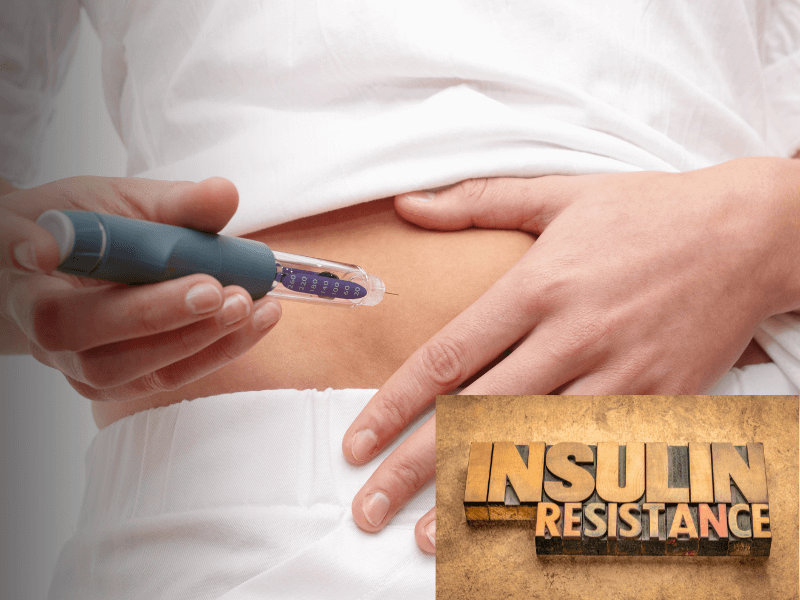
Insulin resistance is one of the most common—and most overlooked—metabolic problems today. Many people live with it for years without knowing it, often dismissing early symptoms as “normal aging,” stress, or lifestyle fatigue. Yet insulin resistance is a silent driver behind some of the most serious chronic health conditions, including type 2 diabetes, heart disease, and hormonal disorders.
At Florida Endocrinology and Diabetes Center, we see insulin resistance every day—not just in patients with diabetes, but in individuals struggling with weight gain, fatigue, hormonal imbalances, and cardiovascular risk. Understanding insulin resistance early can be life-changing, because unlike many chronic conditions, it is highly modifiable with the right approach.
This article explains what insulin resistance really is, why it’s dangerous, and how it can be effectively addressed through evidence-based care.
What Is Insulin Resistance?
Insulin is a hormone produced by the pancreas that allows glucose (sugar) to move from the bloodstream into cells, where it is used for energy. In a healthy system, insulin keeps blood sugar levels stable.
Insulin resistance occurs when the body’s cells stop responding efficiently to insulin. As a result:
- Glucose remains in the bloodstream
- The pancreas produces more insulin to compensate
- Blood insulin levels rise (hyperinsulinemia)
Over time, this compensation begins to fail, setting the stage for metabolic disease.
Why Insulin Resistance Is So Dangerous
Insulin resistance rarely causes obvious symptoms at first, which is why it often goes undetected. However, its effects quietly damage multiple systems in the body.
1. Progression to Type 2 Diabetes
Insulin resistance is the primary underlying cause of type 2 diabetes. As pancreatic cells become overworked:
- Insulin production declines
- Blood sugar levels rise
- Diabetes develops
This progression can take years, offering a critical window for early intervention.
2. Increased Risk of Heart Disease
High insulin levels promote:
- Inflammation
- Elevated triglycerides
- Low HDL (“good”) cholesterol
- High blood pressure
Together, these changes dramatically increase the risk of heart attack and stroke—even before diabetes is diagnosed.
3. Weight Gain That’s Hard to Lose
Insulin is a storage hormone. When insulin levels remain high:
- Fat storage increases
- Fat burning is suppressed
- Weight loss becomes extremely difficult
This creates a frustrating cycle where weight gain worsens insulin resistance, and insulin resistance promotes further weight gain.
4. Hormonal Imbalances
Insulin resistance disrupts multiple hormone systems, contributing to:
- Polycystic ovary syndrome (PCOS)
- Irregular menstrual cycles
- Fertility challenges
- Low testosterone in men
- Worsening menopause symptoms
Insulin doesn’t work alone—when it’s dysregulated, other hormones often follow.
5. Fatty Liver Disease
Excess insulin drives fat accumulation in the liver, leading to non-alcoholic fatty liver disease (NAFLD). Left untreated, this can progress to liver inflammation, fibrosis, and even cirrhosis.
6. Brain Health and Cognitive Decline
Emerging research links insulin resistance to:
- Brain fog
- Memory problems
- Increased risk of dementia and Alzheimer’s disease
Some researchers now refer to Alzheimer’s as “type 3 diabetes” due to impaired insulin signaling in the brain.
Common Signs of Insulin Resistance
Many patients are surprised to learn they have insulin resistance because symptoms are often subtle and nonspecific.
Common signs include:
- Fatigue, especially after meals
- Difficulty losing weight
- Increased belly fat
- Sugar or carbohydrate cravings
- Brain fog
- Skin darkening in body folds (acanthosis nigricans)
- Elevated triglycerides
- Borderline or rising blood sugar levels
If these symptoms sound familiar, metabolic testing may be warranted.
Who Is at Risk?
You may be at higher risk for insulin resistance if you:
- Have a family history of diabetes
- Are overweight or obese
- Lead a sedentary lifestyle
- Have PCOS or gestational diabetes history
- Have high blood pressure or abnormal cholesterol
- Experience chronic stress or poor sleep
Importantly, insulin resistance can occur even in people who are not overweight.
How Insulin Resistance Is Diagnosed
Insulin resistance is not always identified by a single test. Evaluation may include:
- Fasting glucose
- Hemoglobin A1C
- Fasting insulin levels
- Lipid profile
- Oral glucose tolerance testing
At Florida Endocrinology and Diabetes Center, we assess these results together—not in isolation—to get a complete metabolic picture.
How to Fix Insulin Resistance: A Science-Based Approach
The good news is that insulin resistance is reversible in many cases, especially when addressed early.
1. Nutrition: Improving Insulin Sensitivity
Effective nutrition strategies focus on:
- Reducing refined carbohydrates and sugars
- Prioritizing fiber-rich vegetables
- Including lean protein at each meal
- Choosing healthy fats
- Avoiding frequent snacking that spikes insulin
The goal is not extreme restriction, but stable blood sugar and insulin levels.
2. Physical Activity: A Powerful Insulin Sensitizer
Exercise helps muscles absorb glucose without requiring insulin.
Both forms matter:
- Aerobic exercise improves cardiovascular health
- Strength training increases muscle mass, which improves insulin sensitivity
Even modest increases in activity can produce measurable benefits.
3. Weight Reduction (When Needed)
Losing just 5–10% of body weight can significantly:
- Reduce insulin resistance
- Improve blood sugar levels
- Lower cardiovascular risk
Importantly, the focus is on sustainable fat loss—not rapid or extreme dieting.
4. Sleep and Stress Management
Chronic sleep deprivation and stress raise cortisol levels, which worsen insulin resistance.
Improving:
- Sleep duration and quality
- Stress coping strategies
…can meaningfully improve metabolic health.
5. Medications When Appropriate
In some cases, medications may be used to:
- Improve insulin sensitivity
- Protect pancreatic function
- Reduce long-term risk
Medication decisions are individualized and always combined with lifestyle intervention—not used as a substitute.
Why Early Treatment Matters
Addressing insulin resistance early:
- Prevents progression to diabetes
- Reduces heart disease risk
- Improves energy and quality of life
- Protects long-term organ health
Waiting until diabetes develops means missing a critical opportunity for prevention.
A Personalized Approach Makes the Difference
There is no one-size-fits-all solution to insulin resistance. Effective care considers:
- Genetics
- Lifestyle
- Hormonal health
- Medical history
- Personal goals
At Florida Endocrinology and Diabetes Center, we design individualized treatment plans that are realistic, sustainable, and evidence-based.
Final Thoughts: Don’t Ignore the Warning Signs
Insulin resistance is a warning signal—not a life sentence. When identified early and managed properly, it can be improved or even reversed, dramatically reducing the risk of future disease.
If you’ve been struggling with unexplained weight gain, fatigue, abnormal labs, or prediabetes, expert evaluation can uncover the root cause and guide effective treatment.
Expert Metabolic Care in Florida
At Florida Endocrinology and Diabetes Center, we specialize in identifying and treating insulin resistance and related metabolic conditions using comprehensive, patient-centered care.
Schedule a consultation today to take control of your metabolic health before insulin resistance progresses further.