
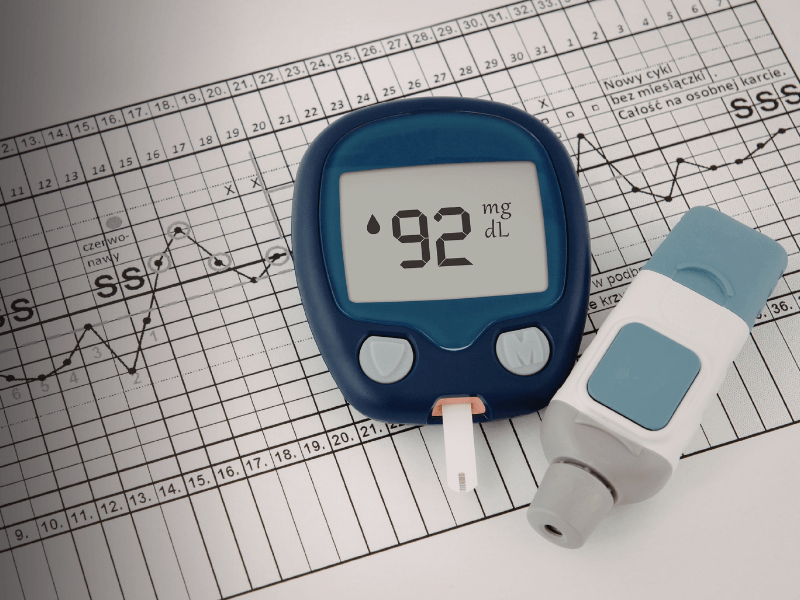
Continuous glucose monitors (CGMs) have transformed diabetes care by allowing people to track blood sugar levels in real time. What was once a medical device reserved for patients with diabetes is now gaining popularity among non-diabetics—athletes, biohackers, and health-conscious individuals looking to optimize energy, weight, and overall well-being.
But are CGMs truly beneficial for people without diabetes? Or are they an unnecessary and potentially misleading tool when used outside of medical supervision?
At Florida Endocrinology and Diabetes Center, we help patients understand when advanced technology is helpful—and when it may do more harm than good. This article explores what CGMs do, why non-diabetics are using them, and whether they’re right for you.
What Is a Continuous Glucose Monitor?
A CGM is a small wearable device that measures glucose levels in the interstitial fluid just beneath the skin. It provides readings every few minutes, offering a dynamic picture of how glucose changes throughout the day and night.
Most CGMs include:
- A small sensor worn on the arm or abdomen
- A transmitter that sends data to a smartphone or reader
- Alerts for high or low glucose levels
Unlike traditional finger-stick testing, CGMs track patterns and trends, not just single readings.
Why Are Non-Diabetics Interested in CGMs?
CGMs are increasingly marketed as tools for “metabolic optimization.” Non-diabetics often use them to:
- Understand how foods affect blood sugar
- Improve energy levels and focus
- Support weight management
- Identify glucose spikes and crashes
- Monitor response to exercise and stress
For some individuals, this data can be educational. However, interpretation requires caution.
What Is a “Normal” Glucose Pattern in Non-Diabetics?
In people without diabetes:
- Fasting glucose is typically between 70–99 mg/dL
- Post-meal glucose may rise briefly but usually returns to baseline within 2–3 hours
- Significant or prolonged spikes are uncommon
Short-term glucose fluctuations are normal and do not necessarily indicate disease.
Seeing brief spikes on a CGM without proper context can cause unnecessary anxiety or lead to inappropriate dietary restriction.
Potential Benefits of CGMs for Non-Diabetics
1. Early Detection of Insulin Resistance
In select cases, CGMs may reveal:
- Frequent post-meal spikes
- Delayed glucose return to baseline
- Overnight glucose elevations
These patterns can signal early insulin resistance—sometimes before routine blood tests become abnormal.
2. Improved Awareness of Lifestyle Impacts
CGMs can help some individuals understand how:
- Sleep deprivation
- Stress
- Alcohol consumption
- Exercise intensity
…affect glucose regulation. This insight can encourage healthier habits.
3. Support for High-Risk Individuals
Non-diabetics who may benefit most from CGMs include those with:
- Prediabetes
- History of gestational diabetes
- Polycystic ovary syndrome (PCOS)
- Strong family history of diabetes
- Metabolic syndrome
In these cases, CGMs can complement medical evaluation—not replace it.
The Hidden Downsides of CGMs in Non-Diabetics
While CGMs offer data, more data is not always better.
1. Misinterpretation of Normal Glucose Spikes
Post-meal glucose rises are expected—even in healthy individuals. Without medical guidance, users may:
- Label normal foods as “bad”
- Avoid carbohydrates unnecessarily
- Develop fear-based eating behaviors
This can negatively affect nutrition and mental health.
2. Increased Anxiety and Obsessive Tracking
Constant glucose monitoring can create:
- Health anxiety
- Over-focus on numbers
- Compulsive checking behaviors
For some people, CGMs shift attention away from overall wellness toward micromanaging fluctuations that don’t require intervention.
3. Lack of Clear Medical Guidelines
Currently:
- There are no standardized glucose targets for non-diabetics using CGMs
- Long-term benefits in healthy individuals are not well established
- Insurance typically does not cover CGMs for non-diabetics
This makes unsupervised use problematic.
CGMs vs. Traditional Metabolic Testing
For non-diabetics, CGMs should never replace standard medical evaluation.
Important tests include:
- Fasting glucose
- Hemoglobin A1C
- Fasting insulin
- Lipid profile
These tests provide validated, clinically meaningful data that CGMs alone cannot.
Who Should Consider CGMs—and Who Shouldn’t?
CGMs May Be Helpful If You:
- Have prediabetes or insulin resistance
- Have unexplained energy crashes
- Are working closely with a healthcare provider
- Want short-term insight for behavior change
CGMs May Not Be Ideal If You:
- Have no metabolic risk factors
- Struggle with health anxiety
- Expect CGMs to “optimize” health without lifestyle changes
- Are looking for long-term use without medical oversight
Can CGMs Help With Weight Loss?
CGMs do not directly cause weight loss. However, they may:
- Highlight glucose-spiking food patterns
- Encourage balanced meals
- Reinforce consistency in eating habits
Weight loss still depends on sustainable nutrition, activity, sleep, and stress management—not glucose data alone.
What CGMs Can’t Tell You
CGMs do not measure:
- Insulin levels
- Insulin resistance directly
- Hormonal imbalances
- Overall metabolic health
They are a tool—not a diagnosis.
A Balanced, Medical Perspective
At Florida Endocrinology and Diabetes Center, we view CGMs as potentially useful short-term educational tools for select non-diabetic patients—especially those at metabolic risk.
However, they are not necessary for most healthy individuals and should never replace professional medical evaluation.
The most effective path to metabolic health remains:
- Evidence-based testing
- Personalized lifestyle guidance
- Long-term monitoring
- Expert endocrinology care
Final Thoughts: Are CGMs Right for You?
For non-diabetics, CGMs can offer insight—but only when used thoughtfully and with medical guidance. Without context, they may create confusion, anxiety, or false conclusions.
If you’re curious about your metabolic health, the best first step is a comprehensive evaluation—not wearable technology alone.
Expert Metabolic Guidance in Florida
At Florida Endocrinology and Diabetes Center, we help patients understand their metabolic health using proven diagnostic tools and personalized care plans. Whether you’re exploring CGMs or concerned about insulin resistance or prediabetes, our team provides clarity, accuracy, and expert guidance.
Schedule a consultation today to determine whether advanced glucose monitoring—or a different approach—is right for you.