
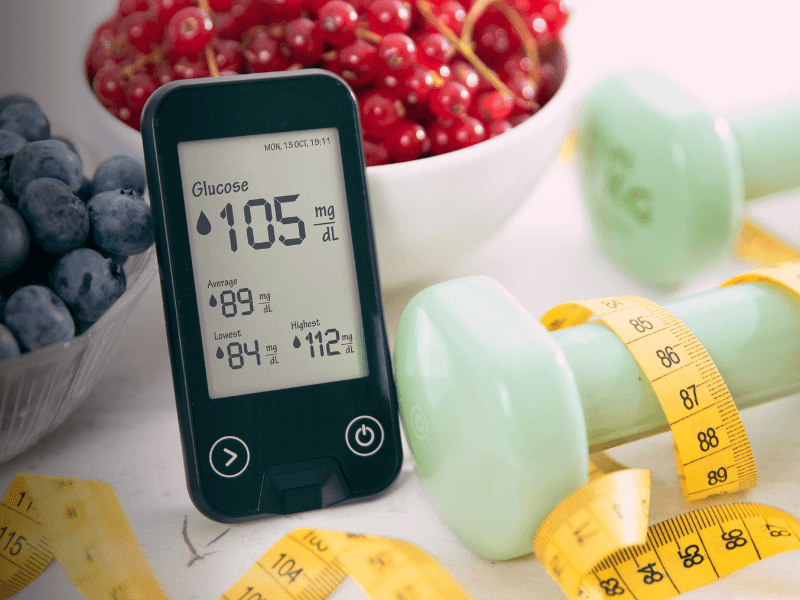
For many people living with diabetes, snacking can feel confusing—or even stressful. You may hear advice to “avoid snacks,” “eat every two hours,” or “never eat carbs,” all of which can leave you unsure about what’s truly best for your blood sugar.
The reality is more nuanced. Strategic snacking, when done correctly, can help stabilize blood glucose levels, prevent hypoglycemia, curb overeating at meals, and support overall metabolic health.
At Florida Endocrinology and Diabetes Center, we help patients make food choices based on science—not myths. This guide explains when snacking makes sense for diabetes and highlights five science-backed snack options that support stable blood sugar, heart health, and long-term well-being.
Should People With Diabetes Snack?
Snacking is not mandatory for everyone with diabetes. Whether a snack is helpful depends on factors such as:
- Type of diabetes
- Medications or insulin use
- Physical activity level
- Meal timing
- Individual blood sugar patterns
For some patients, planned snacks help prevent blood sugar drops. For others, unnecessary snacking can contribute to glucose spikes and weight gain. The key is intentional snacking, not mindless eating.
What Makes a Snack “Diabetes-Friendly”?
A blood-sugar-supportive snack typically includes:
- Protein to slow digestion
- Fiber to reduce glucose spikes
- Healthy fats to increase satiety
- Minimal refined carbohydrates or added sugars
This balanced combination helps keep blood sugar stable rather than causing rapid highs and lows.
Common Snacking Mistakes to Avoid
Many foods marketed as “healthy snacks” can work against glucose control:
- Crackers, pretzels, and rice cakes
- Granola bars and protein bars with added sugar
- Fruit juice or sweetened yogurt
- Large portions of fruit alone
These foods are quickly digested and can cause post-snack blood sugar spikes.
5 Science-Backed Snack Options for People With Diabetes
Below are five snack options supported by research and commonly recommended by endocrinology and nutrition experts.
1. Greek Yogurt with Nuts or Seeds
Why it works:
Greek yogurt is high in protein and lower in carbohydrates than regular yogurt. When paired with nuts or seeds, it becomes a balanced snack that promotes satiety and slows glucose absorption.
Benefits:
- High protein content helps stabilize blood sugar
- Probiotics support gut health
- Healthy fats improve fullness
Best choice tips:
- Choose plain, unsweetened Greek yogurt
- Add almonds, walnuts, or chia seeds
- Avoid flavored varieties with added sugar
2. Apple Slices with Nut Butter
Why it works:
Fruit alone can raise blood sugar quickly, but pairing it with fat and protein slows digestion and blunts glucose spikes.
Benefits:
- Fiber from apples slows carbohydrate absorption
- Nut butter provides protein and healthy fats
- Helps satisfy sweet cravings without added sugar
Best choice tips:
- Stick to one small apple
- Use natural peanut or almond butter with no added sugar
- Limit nut butter to 1–2 tablespoons
3. Hummus with Non-Starchy Vegetables
Why it works:
Hummus contains protein, fiber, and healthy fats, while vegetables add volume and nutrients without raising blood sugar.
Benefits:
- Low glycemic impact
- Supports heart health
- High satiety with minimal glucose rise
Best vegetables to pair:
- Carrot sticks
- Cucumber slices
- Bell peppers
- Celery
This is an excellent option for afternoon energy dips.
4. Hard-Boiled Eggs
Why it works:
Eggs are a near-perfect protein source and contain no carbohydrates, making them ideal for blood sugar control.
Benefits:
- Zero impact on blood glucose
- High-quality protein
- Supports muscle health and fullness
Best choice tips:
- Pair with a small portion of vegetables if desired
- Avoid pairing with refined carbs
- Limit added salt if you have high blood pressure
5. Cottage Cheese with Berries
Why it works:
Cottage cheese is high in protein, and berries are among the lowest-glycemic fruits when eaten in moderation.
Benefits:
- Protein slows carbohydrate absorption
- Berries provide antioxidants and fiber
- Supports satiety and glucose stability
Best choice tips:
- Choose low-fat or full-fat cottage cheese without added sugar
- Keep berries to ½ cup
- Avoid canned fruit or syrups
Portion Control Still Matters
Even healthy snacks can raise blood sugar if portions are too large. A general guideline:
- 150–200 calories per snack
- 15–20 grams of protein when possible
- Minimal refined carbohydrates
Mindful portions help maintain consistent glucose levels throughout the day.
Timing Your Snacks for Better Blood Sugar Control
Snacks may be especially helpful:
- Between meals spaced more than 4–5 hours apart
- Before exercise (if prone to hypoglycemia)
- At bedtime for patients using insulin
Snacking out of boredom or stress, however, can worsen glucose control.
Snacking and Weight Management
Smart snacking can:
- Prevent overeating at meals
- Reduce late-night cravings
- Support weight maintenance
Poor snacking habits, on the other hand, often contribute to weight gain and insulin resistance.
Individualization Is Key
There is no universal “perfect snack” for diabetes. Blood sugar responses vary based on:
- Medications
- Activity level
- Insulin sensitivity
- Meal composition
At Florida Endocrinology and Diabetes Center, we encourage patients to monitor patterns and adjust choices accordingly—with professional guidance when needed.
Final Thoughts: Snack With Purpose
Snacking does not have to sabotage diabetes management. When done intentionally and strategically, it can be a valuable tool for maintaining steady blood sugar, improving energy, and supporting long-term health.
The best snacks are:
- Balanced
- Portion-controlled
- Aligned with your personal glucose patterns
Expert Diabetes Nutrition Guidance in Florida
At Florida Endocrinology and Diabetes Center, we help patients make confident, science-based nutrition choices that fit their lifestyle and medical needs.
If you’re struggling with blood sugar fluctuations or unsure how to snack wisely, expert guidance can make a meaningful difference.
Schedule a consultation today to take a smarter, more personalized approach to diabetes nutrition.