
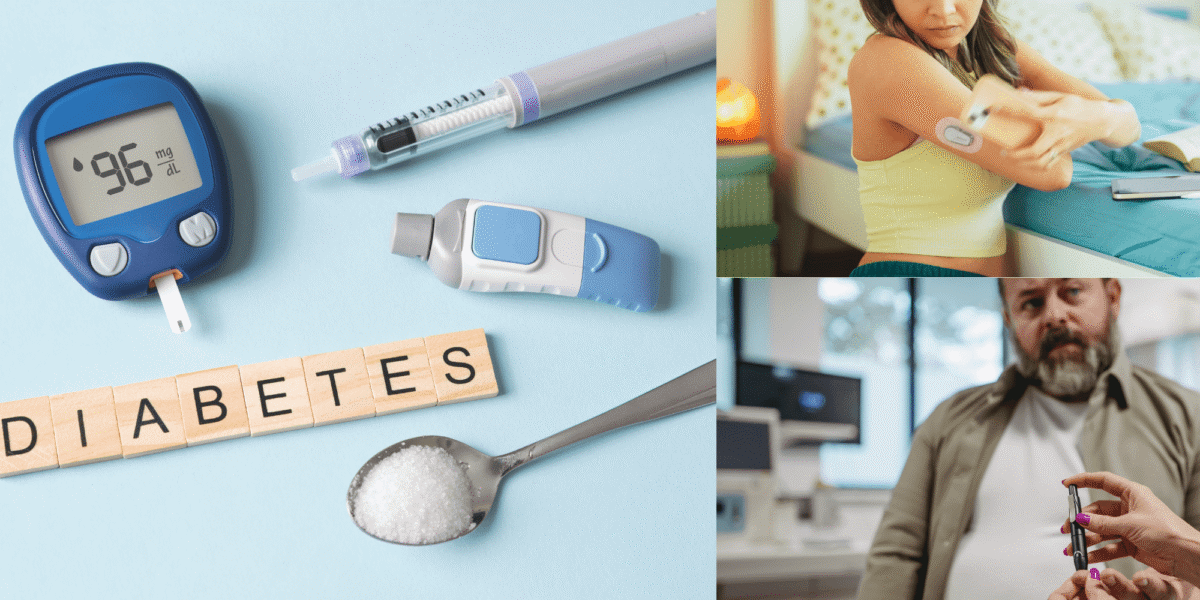
Diabetes is often discussed as though it is one disease. In reality, diabetes is a group of conditions that cause blood glucose (blood sugar) levels to become too high. The two most common forms are type 1 diabetes and type 2 diabetes, and while they share the same basic problem—elevated blood glucose, their causes, risk factors, treatment approaches, and day-to-day management can be very different.
Understanding the difference matters. Type 1 diabetes requires insulin because the body no longer produces enough of it. Type 2 diabetes develops primarily because the body becomes resistant to insulin and, over time, may not produce enough insulin to maintain normal glucose levels.
At Florida Endocrinology & Diabetes Center, our endocrinology specialists help patients understand their diagnosis and develop individualized diabetes-management plans. Whether you’ve recently been diagnosed, are caring for a family member, or simply want to understand diabetes better, knowing the difference between type 1 and type 2 can help you make informed decisions about your health.
What Is Diabetes?
Diabetes mellitus occurs when blood glucose levels remain higher than normal.
Glucose is an important source of energy for your body. It comes primarily from the carbohydrates you eat and is transported through your bloodstream to cells throughout the body.
To enter many cells and be used for energy, glucose needs the hormone insulin.
Insulin is produced by the pancreas, specifically by beta cells located in structures called the islets.
Think of insulin as a key that helps glucose move from the bloodstream into cells.
When insulin is absent, insufficient, or not working effectively, glucose remains in the bloodstream. Over time, persistently high blood glucose can damage blood vessels and nerves and increase the risk of complications affecting the eyes, kidneys, heart, and other organs.
While type 1 and type 2 diabetes both result in high blood glucose, the reason it happens is different.
Type 1 vs. Type 2 Diabetes at a Glance
Type 1 Diabetes | Type 2 Diabetes | |
Primary problem | Autoimmune destruction of insulin-producing beta cells | Insulin resistance and progressive loss of insulin production |
Insulin production | Very little or none | Usually some insulin is produced |
Common age at diagnosis | Often children and young adults, but can occur at any age | More common in adults, but increasingly occurs in younger people |
Insulin treatment | Required | May or may not be required |
Autoimmune condition? | Usually yes | Generally no |
Can lifestyle prevent it? | No proven lifestyle prevention | Lifestyle changes can reduce risk |
Symptoms | Often develop relatively quickly | May develop gradually or be absent for years |
Ketoacidosis risk | Higher | Lower, although it can occur |
Associated with excess weight? | Not necessarily | Excess weight is an important risk factor, but people of any body size can develop it |
These differences are important, but diabetes doesn’t always fit neatly into two categories.
Some adults have slowly progressive autoimmune diabetes, sometimes referred to as LADA (latent autoimmune diabetes in adults). Other less common forms of diabetes can result from genetic conditions, pancreatic disease, medications, or other endocrine disorders.
That’s why getting the correct diagnosis matters.
What Is Type 1 Diabetes?
Type 1 diabetes is an autoimmune disease in most cases.
The body’s immune system mistakenly attacks and destroys the insulin-producing beta cells in the pancreas.
As these cells are destroyed, insulin production falls dramatically.
Eventually, people with type 1 diabetes generally produce little or no insulin of their own.
Without insulin, glucose cannot be properly regulated, and blood glucose levels can rise rapidly.
This is why people with type 1 diabetes need insulin therapy to survive.
Type 1 diabetes can develop at any age, although it is commonly diagnosed during childhood, adolescence, or young adulthood.
Importantly, type 1 diabetes is not caused by eating too much sugar or having an unhealthy lifestyle.
A person can be physically active, eat a nutritious diet, and maintain a healthy weight and still develop type 1 diabetes.
What Causes Type 1 Diabetes?
The exact reason the immune system begins attacking pancreatic beta cells is not completely understood.
Researchers believe that a combination of genetic and environmental factors may contribute.
People with certain genetic characteristics may have a higher risk, and environmental triggers may play a role in initiating the autoimmune process.
What we do know is that lifestyle choices do not cause type 1 diabetes.
This distinction is important because patients and families sometimes feel that they somehow caused the disease.
They didn’t.
Type 1 diabetes is fundamentally different from type 2 diabetes in this respect.
What Are the Symptoms of Type 1 Diabetes?
Type 1 diabetes can develop relatively quickly, and symptoms may become noticeable over days or weeks.
Common symptoms include:
- Frequent urination
- Excessive thirst
- Increased hunger
- Unexplained weight loss
- Fatigue
- Blurred vision
- Irritability or mood changes
In some cases, the first sign of type 1 diabetes is diabetic ketoacidosis (DKA).
DKA occurs when the body doesn’t have enough insulin and begins breaking down fat for energy, producing acidic substances called ketones.
Warning signs can include:
- Nausea or vomiting
- Abdominal pain
- Deep or rapid breathing
- Fruity-smelling breath
- Severe weakness
- Confusion
- Dehydration
DKA is a medical emergency.
Anyone experiencing symptoms suggestive of DKA should seek immediate medical attention.
What Is Type 2 Diabetes?
Type 2 diabetes is the most common form of diabetes.
It generally develops when the body’s cells become less responsive to insulin, a condition known as insulin resistance.
Initially, the pancreas may compensate by producing more insulin.
For some time, this can keep blood glucose levels within a relatively normal range.
Eventually, however, the pancreas may no longer be able to produce enough insulin to overcome the body’s insulin resistance.
Blood glucose then begins to rise.
This progression can happen gradually, which means someone can have type 2 diabetes for years without realizing it.
What Causes Type 2 Diabetes?
Type 2 diabetes develops through a combination of genetic, metabolic, and environmental factors.
Risk factors include:
- Family history of type 2 diabetes
- Overweight or obesity
- Physical inactivity
- Increasing age
- History of gestational diabetes
- Prediabetes
- High blood pressure
- Abnormal cholesterol levels
- Certain racial or ethnic backgrounds
- Conditions associated with insulin resistance, such as PCOS
However, it is important to understand that type 2 diabetes can occur in people of any body size.
Weight is one risk factor, not a diagnosis.
Similarly, someone who exercises and eats a generally healthy diet can still develop type 2 diabetes because genetics, age, pancreatic function, and other factors also matter.
What Are the Symptoms of Type 2 Diabetes?
Type 2 diabetes often develops more gradually than type 1 diabetes.
Some people may have few or no noticeable symptoms.
When symptoms do occur, they can include:
- Increased thirst
- Frequent urination
- Fatigue
- Blurred vision
- Slow-healing cuts or wounds
- Recurrent infections
- Tingling or numbness in the hands or feet
- Unexplained weight loss in some cases
Because symptoms can be subtle, screening is important for people who have risk factors for type 2 diabetes.
Sometimes diabetes is discovered during routine blood testing before a person develops noticeable symptoms.
Type 1 vs. Type 2: How Is Each Diagnosed?
The first step is determining whether blood glucose levels are in the diabetes range.
Common diagnostic tests include:
A1C
The A1C test measures the percentage of hemoglobin in your blood that has glucose attached to it. It provides an estimate of average blood glucose levels over approximately the previous two to three months.
Fasting Plasma Glucose
This measures blood glucose after fasting.
Oral Glucose Tolerance Test
During an oral glucose tolerance test, blood glucose is measured before and after drinking a glucose-containing liquid.
Random Blood Glucose
In people with classic symptoms of hyperglycemia, a random glucose measurement may also be used as part of the diagnostic evaluation.
These tests can establish that diabetes is present, but they don’t always tell your doctor whether it is type 1 or type 2.
How Do Doctors Tell Type 1 and Type 2 Apart?
When the type of diabetes isn’t obvious, your endocrinologist may use additional information.
Autoantibody Testing
Certain antibodies can indicate that the immune system is attacking pancreatic beta cells.
Testing may include antibodies such as:
- GAD antibodies
- IA-2 antibodies
- ZnT8 antibodies
- Insulin autoantibodies in appropriate circumstances
The presence of diabetes-associated autoantibodies can support a diagnosis of autoimmune type 1 diabetes.
C-Peptide Testing
C-peptide provides information about how much insulin your pancreas is producing.
It is released when your body produces insulin.
Low C-peptide levels may indicate very limited insulin production, which can support a diagnosis of type 1 diabetes in the appropriate clinical setting.
However, C-peptide results must be interpreted alongside blood glucose levels, the timing of the test, medications, and other factors.
How Is Type 1 Diabetes Treated?
Because people with type 1 diabetes generally produce little or no insulin, insulin replacement is essential.
Insulin can be administered through:
- Multiple daily injections
- Insulin pens
- Insulin pumps
- Automated insulin-delivery systems
Modern diabetes technology has significantly expanded treatment options.
Many people with type 1 diabetes also use a continuous glucose monitor (CGM), which measures glucose levels throughout the day and can provide alerts for high or low glucose.
Treatment isn’t simply about taking insulin.
Successful management also involves:
- Monitoring glucose
- Understanding carbohydrate intake
- Adjusting insulin doses
- Physical activity
- Recognizing and treating hypoglycemia
- Managing illness
- Regular medical follow-up
Your insulin needs can change from day to day, so diabetes education is an important part of treatment.
How Is Type 2 Diabetes Treated?
Type 2 diabetes treatment is more varied because the condition can differ considerably from one person to another.
Treatment may involve:
Healthy eating
A balanced eating pattern can help manage blood glucose, cholesterol, blood pressure, and weight when weight reduction is appropriate.
Physical activity
Regular physical activity can improve insulin sensitivity and help with glucose management.
Weight management
For people who are overweight or have obesity, even modest weight loss can improve metabolic health and glucose control.
Oral medications
Several classes of diabetes medications are available.
Injectable medications
Some people may benefit from injectable non-insulin medications, including GLP-1 receptor agonists or related therapies.
Insulin
Some people with type 2 diabetes eventually require insulin.
Others may need insulin temporarily, for example, during severe illness, pregnancy, or periods of very high blood glucose.
The important point is:
Needing insulin does not automatically mean you have type 1 diabetes.
Some people with type 2 diabetes require insulin because their pancreas no longer produces enough insulin to maintain adequate glucose control.
Can Type 1 Diabetes Be Prevented?
At this time, there is no established lifestyle strategy that reliably prevents type 1 diabetes.
Because type 1 diabetes is primarily an autoimmune condition, eating less sugar or exercising more does not prevent it in the way lifestyle changes can reduce the risk of type 2 diabetes.
Research into identifying people at risk for autoimmune diabetes and interventions to delay disease progression continues.
For families with a history of type 1 diabetes, discussing risk and available screening options with a healthcare professional may be appropriate.
Can Type 2 Diabetes Be Prevented?
Unlike type 1 diabetes, many cases of type 2 diabetes can be delayed or prevented through lifestyle and medical interventions.
For people with prediabetes or an elevated risk of type 2 diabetes, strategies may include:
- Increasing physical activity
- Improving dietary quality
- Achieving a healthy weight when appropriate
- Getting adequate sleep
- Managing blood pressure
- Managing cholesterol
- Avoiding tobacco
- Working with a healthcare professional on individualized prevention strategies
Prevention doesn’t mean perfection.
Small, sustainable changes can contribute to meaningful improvements in metabolic health.
Can You Have Type 1 and Type 2 Diabetes at the Same Time?
The distinction between type 1 and type 2 isn’t always completely straightforward.
For example, a person with type 1 diabetes can also develop insulin resistance.
Conversely, some adults who initially appear to have type 2 diabetes may actually have autoimmune diabetes.
There are also other forms of diabetes, including:
- Gestational diabetes
- Monogenic diabetes
- Diabetes associated with pancreatic disease
- Medication-induced diabetes
- Cystic-fibrosis-related diabetes
This is why an endocrinologist may perform additional testing when the clinical picture doesn’t fit neatly into a typical diagnosis.
What About LADA?
You may have heard the term LADA, or latent autoimmune diabetes in adults.
LADA is a form of autoimmune diabetes that develops in adulthood and may initially resemble type 2 diabetes.
People with LADA may initially respond to lifestyle changes or oral diabetes medications, but because the underlying problem involves autoimmune destruction of pancreatic beta cells, insulin production can progressively decline.
If an adult has been diagnosed with type 2 diabetes but develops rapidly worsening glucose control, has a relatively lean body type, or has other features suggesting autoimmune disease, an endocrinologist may consider whether additional testing is appropriate.
The Complications of Type 1 and Type 2 Diabetes
Both forms of diabetes can cause complications when blood glucose remains elevated over time.
Potential long-term complications include:
Cardiovascular disease
Diabetes increases the risk of heart disease and stroke.
Kidney disease
High blood glucose can damage the small blood vessels in the kidneys.
Eye disease
Diabetes can damage the blood vessels in the retina and potentially threaten vision.
Nerve damage
Diabetic neuropathy can cause pain, tingling, numbness, or loss of sensation.
Foot problems
Reduced sensation and impaired circulation can increase the risk of foot injuries and ulcers.
Oral health problems
Diabetes can increase the risk of gum disease and other oral health issues.
The good news is that good diabetes management can substantially reduce the risk of many complications.
Managing blood glucose is important, but so are controlling blood pressure, cholesterol, smoking, kidney health, and other cardiovascular risk factors.
The Importance of Regular Diabetes Monitoring
Whether you have type 1 or type 2 diabetes, diabetes management is not something you should handle only when your blood glucose is high.
Regular follow-up can help monitor:
- A1C
- Blood pressure
- Cholesterol
- Kidney function
- Eye health
- Foot health
- Medication effectiveness
- Blood glucose patterns
- Risk of hypoglycemia
Your monitoring schedule will depend on your diabetes type, treatment, glucose control, and overall health.
Technology such as CGMs, insulin pumps, smart insulin pens, and glucose meters can also provide valuable information.
Your endocrinology team can help you understand the data rather than simply giving you another number to worry about.
When Should You See an Endocrinologist?
You may benefit from an endocrinology consultation if:
- You have recently been diagnosed with diabetes
- Your diabetes type is unclear
- Your blood glucose remains difficult to control
- You experience frequent hypoglycemia
- You have recurrent episodes of very high glucose
- You are considering a CGM or insulin pump
- You have complications related to diabetes
- You are pregnant or planning pregnancy with diabetes
- You have PCOS or another endocrine condition affecting glucose metabolism
- Your current treatment is no longer working as well as it used to
An endocrinologist can help determine the most appropriate treatment strategy for your specific situation.
Type 1 vs. Type 2 Diabetes: What Patients Should Remember
The biggest takeaway is simple:
Type 1 and type 2 diabetes are not the same disease.
Type 1 diabetes is usually an autoimmune condition in which the pancreas produces little or no insulin. People with type 1 diabetes require insulin therapy.
Type 2 diabetes primarily involves insulin resistance combined with a progressive decline in insulin production. Treatment can include lifestyle changes, oral medications, non-insulin injectable medications, and/or insulin.
Neither diagnosis is a personal failure.
Type 1 diabetes is not caused by lifestyle.
And type 2 diabetes is not simply the result of “eating too much sugar.” Genetics, age, insulin resistance, pancreatic function, body composition, physical activity, medications, and many other factors can influence risk.
If you’ve been diagnosed with diabetes—or you’re experiencing symptoms such as excessive thirst, frequent urination, unexplained weight changes, or persistent fatigue, getting the correct diagnosis is the first step toward effective treatment.
At Florida Endocrinology & Diabetes Center, our endocrinology specialists provide comprehensive care for type 1 diabetes, type 2 diabetes, prediabetes, and other metabolic conditions. We work with patients to understand their diagnosis, select appropriate treatments, use diabetes technology when beneficial, and reduce the risk of long-term complications.
Don’t try to manage diabetes based on assumptions or internet advice. If you’re unsure whether you have type 1 or type 2 diabetes or your blood sugar isn’t where it should be, talk with an endocrinology specialist.
This article is intended for educational purposes only and should not replace personalized medical advice, diagnosis, or treatment from a qualified healthcare professional.