
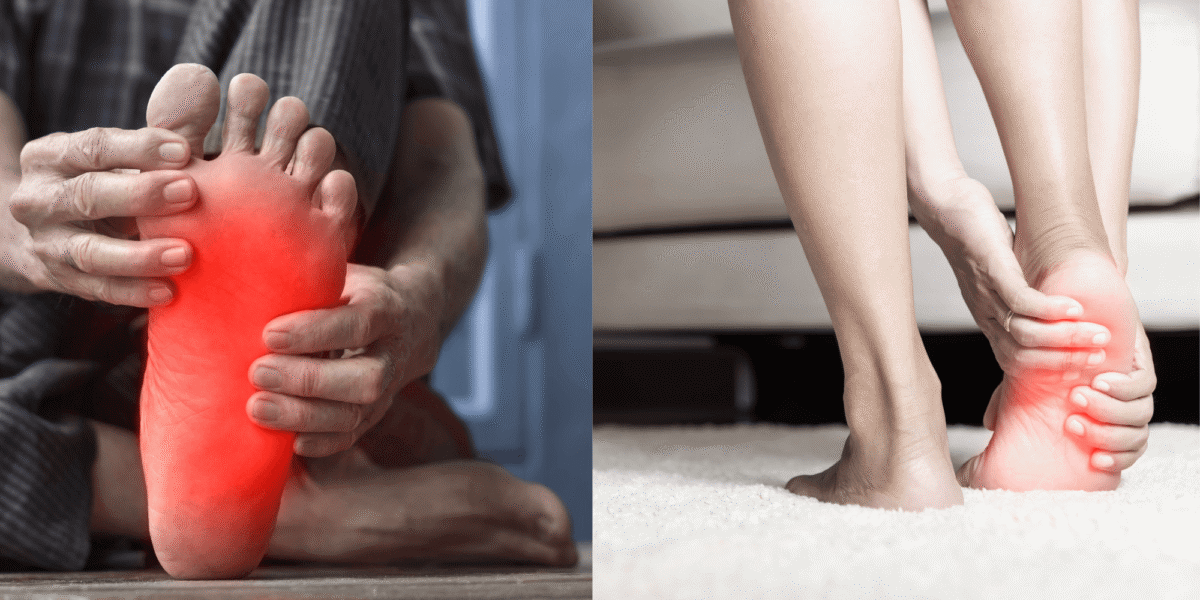
Living with diabetes means paying attention to more than just your blood sugar numbers. Over time, consistently elevated blood glucose can affect blood vessels, organs, and nerves throughout the body. One of the most common complications is diabetic neuropathy, a type of nerve damage that can cause pain, tingling, numbness, weakness, and changes in sensation.
The good news is that early recognition and good diabetes management can help reduce the risk of nerve damage and slow its progression.
At Florida Endocrinology & Diabetes Center, our endocrinology specialists help patients manage diabetes while monitoring for complications such as diabetic neuropathy. Understanding the early warning signs can help you seek care before a small problem becomes a serious one.
In this article, we’ll explain what diabetic neuropathy is, how it develops, the symptoms you shouldn’t ignore, and what you can do to protect your nerves.
What Is Diabetic Neuropathy?
Diabetic neuropathy refers to nerve damage caused by diabetes.
High blood glucose over an extended period can damage the small blood vessels that supply nerves with oxygen and nutrients. Metabolic changes associated with diabetes may also directly affect nerve function.
The result can be impaired communication between your nerves and brain.
Diabetic neuropathy can affect different types of nerves and different areas of the body. While the feet and legs are commonly affected, neuropathy can also involve the hands, digestive system, urinary system, heart, and other organs.
The most common type is diabetic peripheral neuropathy, which typically affects the feet and legs first.
Because neuropathy can develop gradually, you may not notice the earliest changes.
That’s why regular diabetes care and screening are so important.
What Causes Diabetic Neuropathy?
The exact biological mechanisms behind diabetic neuropathy are complex, but prolonged exposure to elevated blood glucose plays an important role.
Several factors can increase the risk of developing neuropathy, including:
- Long duration of diabetes
- Persistently elevated blood glucose
- High blood pressure
- Abnormal cholesterol levels
- Kidney disease
- Smoking
- Excess body weight
- Older age
The longer you have diabetes, particularly if blood glucose has been difficult to control, the greater your risk of nerve complications.
However, neuropathy doesn’t occur only in people who have had diabetes for decades.
Some people may already have nerve damage when they are diagnosed with type 2 diabetes because blood glucose may have been elevated for years without obvious symptoms.
The Early Signs of Diabetic Neuropathy
One of the challenges of diabetic neuropathy is that the first symptoms can be subtle.
You may notice something that seems minor and assume it is related to exercise, aging, footwear, or another cause.
Don’t automatically dismiss these changes.
1. Tingling or “Pins and Needles”
One of the earliest symptoms can be a sensation similar to pins and needles.
You might feel:
- Tingling
- Prickling
- Burning
- Crawling sensations
- Electric or shooting sensations
These feelings may initially come and go.
They often begin in the toes or feet and can gradually move upward.
2. Numbness in Your Feet
Another common early sign is reduced sensation.
You may notice that your feet don’t feel things as clearly as they once did.
For example, you might not notice:
- The texture of the floor
- Small objects inside your shoe
- Temperature changes
- Minor cuts
- Blisters
- Pressure from tight footwear
Numbness is particularly concerning because it can allow injuries to go unnoticed.
A small blister that would normally be painful may become a significant wound when you can’t feel it.
3. Burning or Shooting Pain
Diabetic neuropathy doesn’t always cause numbness.
Some people experience nerve pain, which may feel like:
- Burning
- Stabbing
- Shooting
- Electric shocks
- Sharp pain
- Deep aching
The discomfort can be particularly noticeable at night.
In some cases, even a light touch from bedsheets can feel painful.
This is called allodynia, where a normally non-painful stimulus produces pain.
4. Increased Sensitivity to Touch
Some people develop the opposite problem from numbness.
Instead of feeling less, they feel too much.
A light touch may become uncomfortable or painful.
Socks, shoes, bedsheets, or even another person’s touch can trigger discomfort.
This increased sensitivity occurs because damaged nerves may send abnormal signals to the brain.
5. Balance Problems
Your nerves help your brain understand where your feet are positioned in space.
When sensation is reduced, you may have difficulty knowing exactly where your feet are without looking.
This can contribute to:
- Unsteadiness
- Difficulty walking in the dark
- Feeling less stable on uneven surfaces
- Increased risk of falls
If you’ve recently started feeling less steady on your feet, mention it to your healthcare provider.
Neuropathy Doesn’t Always Start in the Feet
Although peripheral neuropathy commonly affects the feet first, diabetic neuropathy can involve different types of nerves.
Another category is diabetic autonomic neuropathy, which affects nerves controlling involuntary body functions.
Depending on which nerves are affected, symptoms can involve several systems.
Digestive Symptoms
Autonomic nerve damage can affect the digestive system.
Some people may experience:
- Bloating
- Nausea
- Constipation
- Diarrhea
- Feeling unusually full after eating
- Changes in digestion
A condition called gastroparesis can occur when stomach emptying is delayed.
Symptoms may include nausea, vomiting, bloating, and feeling full quickly.
However, these symptoms can have many causes and shouldn’t automatically be attributed to diabetic neuropathy.
Bladder Problems
Autonomic neuropathy can sometimes interfere with bladder function.
Symptoms may include:
- Difficulty fully emptying the bladder
- Urinary retention
- Increased urinary frequency
- Incontinence
- Recurrent urinary tract infections
If you experience new urinary symptoms, speak with your healthcare provider.
Sexual Health Changes
Diabetes and nerve damage can contribute to sexual dysfunction.
In men, autonomic neuropathy can contribute to erectile dysfunction.
Women may experience changes in sexual response, including reduced lubrication or difficulty reaching orgasm.
Sexual problems can be uncomfortable to discuss, but they are common medical concerns and deserve appropriate evaluation.
Changes in Sweating
Autonomic neuropathy can interfere with the nerves that control sweating.
You may experience:
- Excessive sweating
- Reduced sweating
- Sweating during meals
- Dry skin on the feet
Reduced sweating can make your skin more prone to cracking.
Those cracks can provide an entry point for infection, particularly when sensation is also reduced.
Changes in Blood Pressure or Heart Rate
Autonomic neuropathy can affect cardiovascular function.
Some people may experience orthostatic hypotension, where blood pressure drops after standing.
Symptoms can include:
- Dizziness
- Lightheadedness
- Weakness
- Fainting
If you frequently feel dizzy when standing, tell your doctor.
There can be many causes of these symptoms, and they should be properly evaluated.
Why Foot Care Is So Important
When neuropathy reduces sensation in your feet, ordinary injuries can become dangerous.
Imagine stepping on a small object.
Normally, pain tells you to move your foot and investigate.
If sensation is reduced, you might continue walking without realizing you’ve been injured.
That injury can become infected or develop into a diabetic foot ulcer.
For this reason, people with diabetes should make foot care part of their daily routine.
How to Protect Your Feet
Check Your Feet Every Day
Look carefully at the tops, bottoms, heels, and spaces between your toes.
Look for:
- Cuts
- Blisters
- Redness
- Swelling
- Bruising
- Cracked skin
- Calluses
- Sores
- Changes in skin color
- Signs of infection
If it’s difficult to see the bottoms of your feet, use a mirror or ask someone to help.
Don’t Walk Barefoot
Walking barefoot increases your risk of stepping on something sharp or developing an injury that you don’t notice.
Wear appropriate footwear indoors and outdoors.
Shoes should fit properly and shouldn’t create pressure points.
Check Your Shoes
Before putting on your shoes, check inside them.
A small stone, piece of debris, or rough edge can cause an injury when sensation is reduced.
Take Care of Your Skin
Dry, cracked skin can increase the risk of infection.
Moisturizing the skin can help, but avoid applying moisturizer between the toes because excessive moisture in that area can encourage fungal growth.
Your healthcare professional can recommend an appropriate foot-care routine for your specific needs.
The Most Important Way to Protect Your Nerves: Manage Blood Glucose
There is no single medication or supplement that can guarantee prevention of diabetic neuropathy.
One of the most important strategies is keeping blood glucose within the individualized target range recommended by your healthcare team.
Good glucose management can reduce the risk of diabetes-related complications.
Depending on your type of diabetes and treatment plan, glucose management may involve:
- Healthy nutrition
- Regular physical activity
- Diabetes medications
- Insulin
- Continuous glucose monitoring
- Regular blood glucose testing
- Weight management when appropriate
- Regular medical follow-up
Your A1C target should be individualized.
A lower A1C isn’t automatically better for every person. Your endocrinologist can help determine an appropriate goal based on your age, health, medications, diabetes type, and risk of hypoglycemia.
Blood Pressure and Cholesterol Matter Too
Nerve health isn’t determined by blood glucose alone.
High blood pressure and abnormal cholesterol can contribute to blood vessel damage and increase the risk of diabetes complications.
That’s why comprehensive diabetes management includes more than monitoring glucose.
Your healthcare team may also monitor:
- Blood pressure
- LDL cholesterol
- Triglycerides
- Kidney function
- Weight
- Smoking status
Managing these risk factors can support overall cardiovascular and nerve health.
Exercise Can Help
Regular physical activity is an important component of diabetes management.
Exercise can improve:
- Insulin sensitivity
- Blood glucose control
- Cardiovascular health
- Strength
- Balance
- Overall physical function
If neuropathy has affected your sensation or balance, however, your exercise program may need to be modified.
Low-impact activities such as walking, swimming, stationary cycling, or appropriately supervised strength training may be options for some people.
Talk with your healthcare provider before beginning a new exercise program if you have significant neuropathy, foot ulcers, balance problems, or other complications.
Don’t Smoke
Smoking damages blood vessels and can worsen circulation.
For people with diabetes, smoking can further increase the risk of cardiovascular disease and other complications.
If you smoke, quitting is one of the most important steps you can take for your overall health.
Your healthcare provider can help you find an evidence-based smoking cessation strategy.
Can Diabetic Neuropathy Be Reversed?
This is one of the most common questions patients ask.
The answer depends on the individual and the extent of nerve damage.
Early intervention is important.
Improving glucose control and addressing other risk factors may help prevent neuropathy from worsening and, in some situations, improve symptoms.
However, established nerve damage may not always be completely reversible.
That’s why waiting until symptoms become severe isn’t a good strategy.
The goal is to identify nerve problems early and address contributing factors before more significant damage develops.
How Is Diabetic Neuropathy Diagnosed?
Your doctor will typically begin with a detailed medical history and physical examination.
During a neurological and foot examination, your healthcare provider may assess:
- Sensation
- Reflexes
- Muscle strength
- Vibration perception
- Ability to feel light touch
- Foot condition
- Balance
A monofilament test may be used to check protective sensation in the feet.
Your doctor may also use a tuning fork or other methods to evaluate vibration sensation.
In some cases, additional testing may be necessary to rule out other causes of neuropathy.
This is important because not every case of numbness or tingling is caused by diabetes.
Other possible causes include vitamin deficiencies, thyroid disorders, kidney disease, alcohol use, certain medications, nerve compression, and other neurological conditions.
How Is Diabetic Nerve Pain Treated?
Treatment depends on the type and severity of symptoms.
The first step is usually addressing the underlying diabetes and other contributing factors.
For painful diabetic neuropathy, doctors may consider medications specifically used to treat nerve pain.
Depending on the individual, options may include:
- Certain anticonvulsant medications
- Certain antidepressant medications
- Topical treatments
- Other pain-management approaches
These medications don’t repair damaged nerves, but they may help reduce painful symptoms.
Your physician will consider your other medical conditions and medications before recommending treatment.
Do not start supplements or over-the-counter “nerve health” products without discussing them with your healthcare provider.
Some supplements can interact with medications or cause harm at high doses.
When Should You Call Your Doctor?
If you have diabetes, don’t wait until you develop severe pain before mentioning nerve symptoms.
Contact your healthcare provider if you notice:
- New numbness or tingling
- Burning feet
- Shooting or electric-like pain
- Loss of sensation
- New balance problems
- Unexplained weakness
- A blister or cut that isn’t healing
- Redness or swelling
- Changes in skin color or temperature
- A new foot ulcer
A foot wound accompanied by redness, warmth, swelling, drainage, or fever requires prompt medical attention.
People with diabetes can develop serious foot infections, sometimes without significant pain because of reduced sensation.
Can You Prevent Diabetic Neuropathy?
You can’t control every risk factor, but there are several steps that can significantly support nerve health.
1. Monitor your blood glucose
Work with your healthcare team to understand your glucose targets.
2. Keep up with A1C testing
Regular A1C testing helps you and your healthcare team assess your overall glucose management.
3. Have your feet examined regularly
Don’t rely only on your daily foot checks. Professional foot examinations are also important.
4. Stay physically active
Choose activities that are appropriate for your fitness level and any existing complications.
5. Manage blood pressure and cholesterol
These are important components of diabetes care.
6. Don’t smoke
Smoking cessation supports circulation and overall cardiovascular health.
7. Maintain a balanced eating pattern
Focus on nutrient-dense foods and an eating plan you can maintain long term.
8. Report symptoms early
Tingling and numbness are not symptoms you should simply “get used to.”
A Note About Diabetes and Neuropathy Screening
People with diabetes should receive regular screening for neuropathy.
For individuals with type 2 diabetes, neuropathy assessment is generally recommended starting at the time of diagnosis because nerve damage may already be present.
For people with type 1 diabetes, screening generally begins several years after diagnosis and is repeated periodically.
Your endocrinologist can recommend the appropriate screening schedule based on your diabetes type, duration, symptoms, and overall risk.
Don’t Ignore What Your Feet Are Telling You
Diabetic neuropathy often develops quietly.
The first sign may be something as simple as a slight tingling sensation in your toes or noticing that your feet don’t feel temperatures as clearly as they once did.
Those symptoms matter.
Early evaluation gives your healthcare team an opportunity to look for nerve damage, assess your diabetes management, identify other possible causes, and reduce your risk of complications.
At Florida Endocrinology & Diabetes Center, our specialists take a comprehensive approach to diabetes care. Managing diabetes isn’t only about achieving a target glucose number, it also means protecting your nerves, kidneys, eyes, heart, and feet over the long term.
If you have diabetes and have noticed numbness, tingling, burning, unusual sensitivity, balance problems, or changes in your feet, don’t wait for symptoms to become severe.
Schedule an appointment with Florida Endocrinology & Diabetes Center for an evaluation and personalized diabetes-management plan designed to help protect your long-term health.