
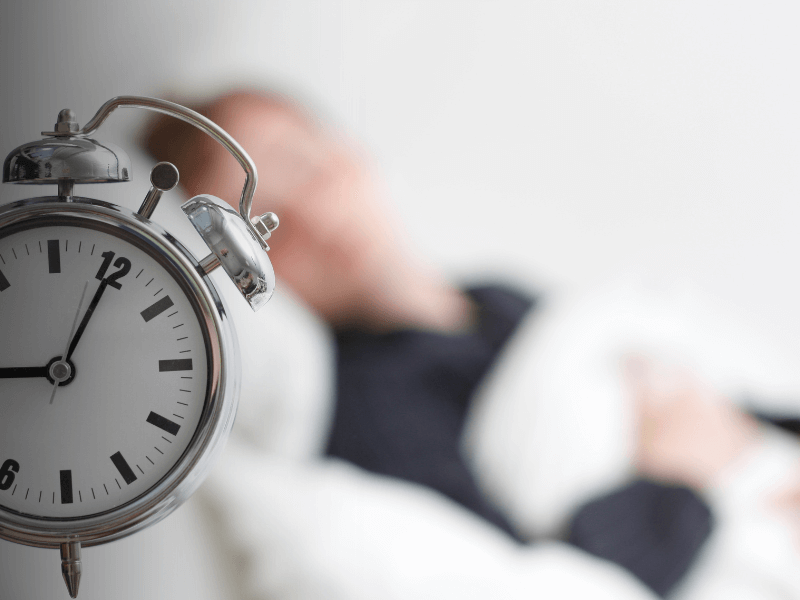
Good sleep is not a luxury — it’s a biological necessity. While many understand the connection between sleep and mood or energy, few realize just how deeply sleep is tied to hormonal balance. Hormones quietly orchestrate vital processes like metabolism, fertility, stress response, immune strength, and even hunger signals. When sleep becomes insufficient or irregular, the entire endocrine system starts to lose rhythm.
At Florida Endocrinology and Diabetes Center, we regularly meet patients who struggle with fatigue, weight gain, anxiety, thyroid changes, menstrual irregularities, blood sugar fluctuations and cannot trace where it all began — until we explore one often-overlooked factor: sleep quality.
In this blog, we will help you understand how sleep and hormones interact, why poor sleep can disrupt health long-term, and most importantly, 10 effective ways to sleep deeper and restore hormonal balance naturally.
Understanding the Sleep–Hormone Connection
Sleep acts like a nightly reset button. While the body rests, hormones are busy regulating cellular repair, metabolism, detoxification, and emotional processing. If sleep is cut short, delayed, or fragmented, hormone production and timing go off balance.
Key hormonal activities that happen during sleep:
Hormone | Role | Sleep-related impact |
Melatonin | Controls sleep–wake cycle | Rises at night to induce sleep; poor sleep suppresses its release |
Cortisol | Stress response hormone | Should drop at night; poor sleep keeps it elevated |
Growth Hormone | Tissue repair & muscle building | Released during deep sleep; lack of sleep reduces recovery |
Insulin | Regulates blood sugar | Poor sleep increases insulin resistance |
Leptin & Ghrelin | Hunger & satiety hormones | Poor sleep increases hunger & cravings |
Thyroid Hormones | Metabolism & energy | Sleep deficiency can reduce T3/T4 conversion |
Reproductive Hormones (Estrogen, Progesterone, Testosterone) | Fertility, mood & libido | Sleep loss disrupts ovulation, menstrual cycles, testosterone levels |
Just one week of poor sleep can trigger measurable hormonal deviations. Chronic lack of sleep, however, has deeper consequences.
How Poor Sleep Affects Hormone Levels
1. Increases Cortisol — the Stress Hormone
Cortisol should naturally decrease at night, signaling the body to unwind. When sleep is disturbed, cortisol stays elevated, making you feel wired, anxious, and unable to rest even when tired.
Long-term high cortisol may lead to:
- abdominal fat accumulation
- high blood pressure
- anxiety or irritability
- impaired immune function
2. Disrupts Thyroid Function
Sleep deprivation can slow conversion of T4 to T3, the active thyroid hormone. Patients often report fatigue, weight gain, cold intolerance, and brain fog — symptoms commonly mistaken for thyroid disorder.
3. Triggers Weight Gain Through Hunger Hormones
Lack of sleep suppresses leptin (satiety hormone) and increases ghrelin (hunger hormone). The result?
You eat more — especially junk — and burn less.
Studies show even one night of poor sleep can increase cravings for sugar and high-carb foods.
4. Affects Blood Sugar and Insulin Sensitivity
Poor sleep reduces insulin efficiency, causing glucose to remain in the blood longer. This increases diabetes risk, especially among those already predisposed.
Patients with diabetes often notice:
- morning high sugars
- increased appetite at night
- slower glucose control despite medication
5. Interferes with Reproductive Hormones
In women, poor sleep can disturb the HPO axis (hypothalamus–pituitary–ovary connection), leading to:
- irregular periods
- worsened PCOS symptoms
- mood swings
- fertility challenges
In men, it reduces testosterone and growth hormone release, affecting:
- libido
- muscle recovery
- motivation and energy
6. Weakens Growth & Repair Hormones
Growth hormone — essential for muscle repair, skin health and metabolism — is released during deep sleep (stage N3). Short sleep means less restoration.
People may notice:
- slow healing
- muscle loss
- premature aging
7. Impairs Melatonin Rhythm
Melatonin isn’t just a sleep hormone — it’s an antioxidant and immune regulator. Blue light exposure at night or inconsistent sleep schedules suppress its release, affecting overall hormonal harmony.
Signs Your Sleep Is Affecting Your Hormones
You may not realize sleep is the culprit, but your body does.
Watch for these symptoms:
- morning fatigue even after 7–8 hours in bed
- constant sugar or caffeine cravings
- weight gain without major dietary changes
- mood swings or irritability
- irregular menstrual cycles
- low libido
- stress intolerance
- brain fog or memory difficulties
- waking up multiple times at night
If you relate to several of these, improving sleep could significantly improve hormonal and metabolic health.
10 Ways to Sleep Deep & Restore Hormone Balance
As endocrinology experts, we approach sleep health from a hormonal perspective. Here are science-backed lifestyle strategies you can start today.
1. Maintain a Consistent Sleep Schedule
Your body’s circadian rhythm thrives on routine. Sleeping and waking at different times confuses hormone release patterns.
Try:
- Same sleep and wake time daily — weekends included
- Natural light exposure right after waking
Even a one-hour inconsistency can shift melatonin and cortisol cycles.
2. Build a Pre-Sleep Wind-Down Routine
Your brain needs time to transition from alert mode to sleep mode.
Try:
- reduce work or screen exposure 1 hour before bed
- warm bath or light stretching
- herbal tea like chamomile or lavender
3. Reduce Blue Light at Night
Blue light from screens delays melatonin production.
Practical steps:
- enable night mode filters on devices
- use warm lights in the bedroom
- avoid scrolling in bed
4. Create a Cool, Dark, Distraction-Free Bedroom
Ideal sleep temperature: 60–67°F (15–19°C).
Darkness signals melatonin release — invest in blackout curtains or eye masks.
5. Limit Caffeine & Stimulants After Afternoon
Caffeine has a 5–6 hour half-life. Even evening coffee or energy drinks can delay REM sleep.
Also avoid:
- late-night chocolate
- pre-workout supplements
- nicotine
6. Balance Your Evening Meals
Heavy meals make the digestive system work when the body should relax.
Prefer:
- early dinner
- protein + vegetables + healthy fats
- avoid high sugar before bed
Magnesium-rich foods like almonds or spinach also support relaxation.
7. Exercise — But Not Too Late
Regular exercise improves sleep architecture and boosts growth hormone.
Best timing: morning or afternoon
Avoid vigorous workouts late at night.
8. Manage Stress Through Mind-Body Practices
High cortisol is one of the biggest sleep disruptors.
Proven techniques:
- deep breathing
- meditation
- journaling
- gentle yoga
Just 10 minutes can lower stress hormones.
9. Consider Natural Supplements (With Medical Guidance)
Common options include:
- Melatonin — supports sleep onset
- Magnesium glycinate — muscle relaxation & stress relief
- Ashwagandha or L-theanine — promotes calm
Always consult an endocrinologist if pregnant, diabetic, or on medication.
10. Treat Underlying Hormonal or Medical Conditions
Sometimes poor sleep is a symptom of deeper issues like:
- thyroid disorders
- adrenal dysfunction
- PCOS
- insulin resistance
- sleep apnea
A proper evaluation is essential when lifestyle steps are not enough.
At Florida Endocrinology and Diabetes Center, we assess:
✓ hormone levels
✓ thyroid function
✓ cortisol rhythm
✓ insulin sensitivity
✓ sleep-related metabolic markers
…and tailor treatment to restore balance holistically.
When to See an Endocrinologist for Sleep Issues
Consider scheduling a consultation if:
- you struggle to sleep for over 3 months
- fatigue, weight gain, sugar cravings persist despite lifestyle changes
- menstrual cycles are irregular
- you suspect thyroid, adrenal or metabolic imbalance
- you snore heavily or wake up gasping (possible sleep apnea)
Early intervention can prevent long-term metabolic and hormonal complications.
To Conclude, we can say
Sleep is not just a time to rest — it’s when your endocrine system resets, repairs, and regulates. When you sleep deeper, hormones align, metabolism functions efficiently, and the body feels energized and alive. If you are experiencing unexplained fatigue, weight fluctuations, mood swings or restless nights, the answer may lie in something as simple — yet powerful — as improving sleep quality.
Better sleep = Better hormones = Better health.
Need professional help assessing your sleep-related hormone concerns?
Florida Endocrinology and Diabetes Center is here for you.
Our specialists provide advanced diagnostic testing and tailored treatment plans for thyroid disorders, adrenal imbalance, diabetes, PCOS, metabolic conditions and hormone-related sleep disruption.
📞 Contact us today to schedule an appointment
🩺 Expert endocrine care for a healthier tomorrow