
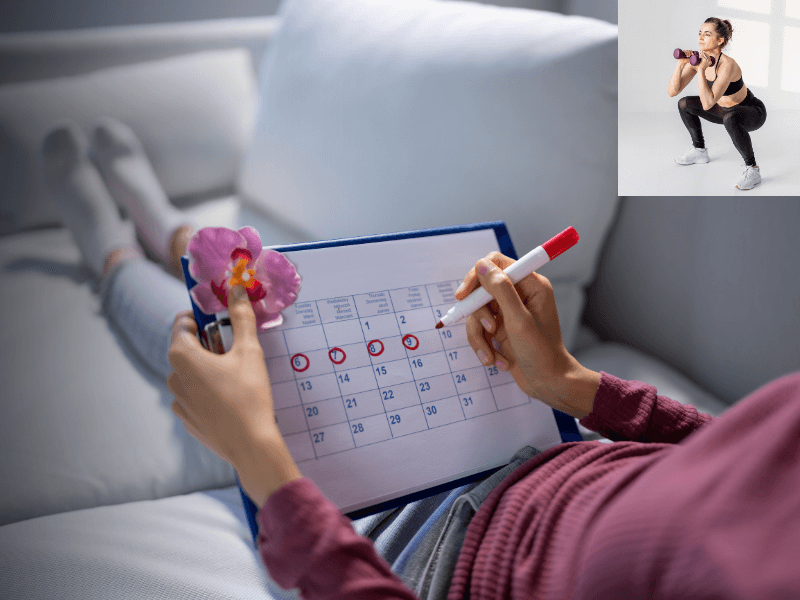
Women often push themselves to maintain one fixed workout routine year-round — treadmill sprints in the morning, strength training three days a week, yoga on weekends. But here’s the truth many don’t realize: a woman’s body isn’t the same every day of the month. Hormones are constantly shifting across the menstrual cycle, influencing energy levels, metabolism, muscle recovery, mood, appetite, endurance, and even how effectively the body burns fat.
So instead of fighting biology, what if you worked with your cycle?
This approach — known as cycle-syncing workouts — means adjusting exercise intensity based on hormonal phases. It helps women perform better, reduce injury risk, lose weight more efficiently, balance hormones, and avoid burnout. At Florida Endocrinology and Diabetes Center, we counsel many women with PCOS, menstrual irregularities, fatigue, thyroid dysfunction, and weight challenges. Often, aligning workouts with the menstrual cycle becomes a game-changer.
In this guide, we’ll explain how menstrual phases affect your workouts, why syncing exercise with hormones works, and give you a phase-by-phase training strategy you can start using from your next cycle.
First, Understand the Four Phases of the Menstrual Cycle
A typical cycle is around 28–30 days, though variations are normal. It can be divided into four key phases — each with distinct hormonal patterns.
Phase | Rough Timeline | Dominant Hormones | How You Feel |
Menstrual Phase | Days 1–5 | Low estrogen & progesterone | Low energy, more fatigued |
Follicular Phase | Days 1–14 (post period especially active) | Estrogen rising | Clear mind, increasing stamina |
Ovulation | Around Day 14 | Estrogen peaks, testosterone surge | High energy, strong, confident |
Luteal Phase | Days 15–28 | Progesterone rises | Slower, lower stamina, PMS likely |
Your hormones act like an internal training coach — if you listen.
Phase 1: Menstrual Phase (Day 1–5)
Focus: Rest, Recovery, Gentle Movement
When your period begins, estrogen and progesterone are at their lowest. The uterus is shedding its lining, iron levels drop, and inflammation slightly increases. This is not the time for high-intensity workouts — pushing too hard can increase fatigue and cramps.
Best Exercise Choices:
✔ Light stretching
✔ Gentle yoga or Pilates
✔ Low-intensity walks
✔ Breathwork and relaxation exercises
Why it matters:
- Reduces cramps and bloating
- Supports blood flow and muscle oxygenation
- Prevents cortisol spikes (which worsen PMS symptoms)
If your body asks for rest, honor that. Think compassion over competition.
Phase 2: Follicular Phase (Day 6–13)
Focus: Build Strength, Push Harder
As the period ends, estrogen rises gradually, boosting energy, mood, motivation, and muscle capacity. Insulin sensitivity is better, meaning your body uses carbohydrates efficiently for fuel and training.
This is the phase to challenge yourself.
Best Exercise Choices:
✔ Strength training (progressive overload)
✔ Cardio workouts
✔ HIIT (High-Intensity Interval Training)
✔ New fitness activities — the brain learns movement patterns better now
Why it matters:
- Muscles grow more efficiently with estrogen
- Pain tolerance improves
- Fatigue is low, stamina is high
- Weight-loss efforts respond well here
This is a brilliant window for fitness gains.
Phase 3: Ovulation (Day 14–16)
Focus: Peak Performance Workouts
Ovulation brings peak estrogen and a natural testosterone spike, enhancing power, libido, and competitiveness. Women often feel confident, social, energetic — the perfect time for maximum-intensity workouts.
Best Exercise Choices:
✔ Heavy lifting
✔ HIIT & sprints
✔ Fast-paced cardio
✔ Competitive sports
Why it matters:
- Strength and power peak
- Faster muscle recovery
- Best time to attempt personal records (PRs)
However, joints may be slightly more flexible due to hormonal changes — warm up well to prevent injury.
Phase 4: Luteal Phase (Day 17–28)
Focus: Slow Down, Support Hormones
Progesterone rises after ovulation. While it helps prepare the body for possible pregnancy, it also increases body temperature, reduces stamina, and can make women feel bloated or moody. PMS symptoms may appear — anxiety, breast tenderness, cravings, sleep difficulty.
Instead of pushing hard (which may lead to burnout), the luteal phase benefits from steady, moderate activity.
Best Exercise Choices:
✔ Moderate strength training
✔ Steady-state cardio (cycling, swimming, jogging)
✔ Yoga, barre, or Pilates
✔ Nature walks, low-intensity workouts
Why it matters:
- Prevents exhaustion close to menstruation
- Supports serotonin, reducing mood swings
- Helps manage cravings and bloating
- Keeps cortisol in check
During the final PMS days, dial intensity down further and prioritize self-care, stretching, magnesium intake, hydration, and sleep.
Why Cycle-Syncing Your Workouts Works
📌 1. Enhances Performance Naturally
When you train during your high-energy phases, workouts feel easier, progress becomes noticeable, and motivation stays high.
📌 2. Supports Healthy Hormone Regulation
Working with hormonal peaks reduces stress load on the endocrine system and improves natural hormone rhythms.
📌 3. Aids Fat Loss and Muscle Toning
Carbohydrate metabolism and insulin response change through the month. Strategic training makes fat-burning more efficient.
📌 4. Reduces PMS and Menstrual Pain
Gentle movement during the luteal and menstrual phases eases cramps, mood swings, and bloating.
📌 5. Prevents Overtraining & Injury
Many women push intensely all month, raising cortisol chronically. Syncing exercise creates natural deload periods for recovery.
Additional Lifestyle Tips to Match Each Phase
🩸 Menstrual Phase
- Increase iron-rich foods: spinach, lentils, beans, red meat
- Omega-3 supplements can ease cramps
- Hydrate to reduce bloating
🌱 Follicular Phase
- Increase protein intake to support muscle building
- Experiment with new workouts — brain–muscle learning is sharp
- Great time to start a new fitness goal
🔥 Ovulation
- Eat more complex carbs for power workouts
- Warm up joints — injury risk is slightly higher
- Enjoy social workouts — dance, group training
🌙 Luteal Phase
- Increase magnesium, B-vitamins to reduce PMS
- Avoid high-sugar foods — cravings may grow
- Prioritize stretching and early sleep
Listening to your body is the key — not every cycle will feel the same.
What About Women with PCOS, Thyroid Disorders, or Irregular Cycles?
Cycle-syncing still helps — but needs personalization.
Women with PCOS may experience:
- longer cycles
- unpredictable ovulation
- insulin resistance
Structured workout patterns can improve metabolism and regulate cycles over time.
Women with hypothyroidism often have fatigue and slower recovery. They benefit from:
- gentle exercise during low-energy days
- avoiding overtraining
- supporting sleep and stress management
If you have irregular periods, heavy bleeding, severe cramps, or are unsure which phase you’re in, tracking apps and hormone testing can help identify patterns.
At Florida Endocrinology and Diabetes Center, we offer:
- hormone panel assessments
- thyroid and insulin resistance testing
- personalized exercise & lifestyle plans
- PCOS, PMS, and Menopause management
How to Start Cycle-Syncing in 4 Simple Steps
- Track your cycle (apps/ calendar/ basal temperature).
- Label weeks: Menstrual → Follicular → Ovulation → Luteal.
- Plan your workouts accordingly:
- Week 1: Rest & Low-Intensity
- Week 2: Strength + Cardio
- Week 3: Peak Power Sessions
- Week 4: Steady, Low/Moderate Intensity
Listen to your body — flexibility matters more than perfection.
Even one cycle of mindful training can bring noticeable improvements in mood, strength, and energy.
Final Thoughts
Women are not meant to train like machines — their physiology is rhythmic, hormonal, beautifully cyclical. When you move in harmony with your menstrual cycle, you stop fighting your body and start fueling performance intelligently.
Cycle-syncing is more than a fitness trend — it’s a science-backed approach that:
✨ boosts strength and stamina
✨ improves hormonal balance
✨ reduces PMS and fatigue
✨ supports metabolism and weight goals
✨ builds a healthier relationship with your body
If you’ve been feeling inconsistent with workouts, burned out, or frustrated with progress, your hormones may be trying to tell you something.
Need help assessing your hormone health?
Florida Endocrinology and Diabetes Center specializes in reproductive hormone management, thyroid disorders, PCOS care, PMS solutions, metabolic health, and female endocrine wellness.
📍 State-of-the-art endocrine care, personalized for every woman.
📞 Schedule a consultation to begin your hormone-aligned fitness journey.