
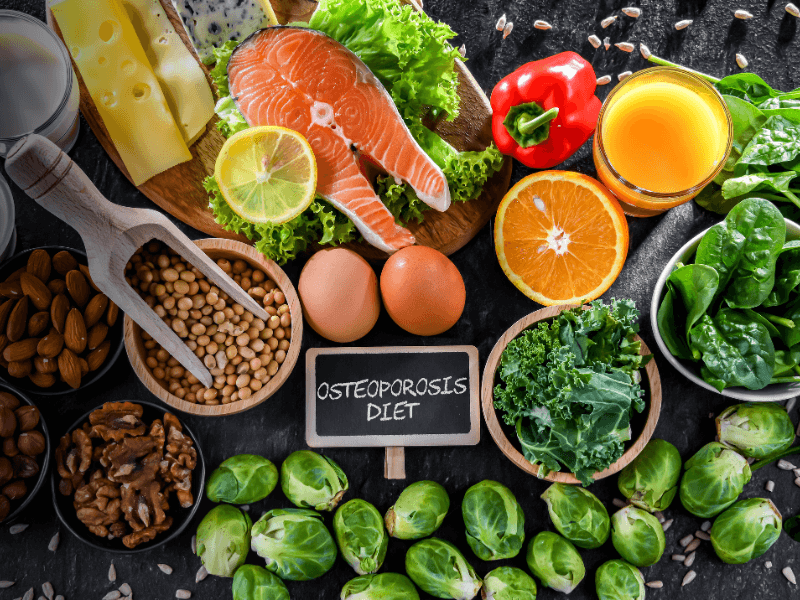
Bones are alive — constantly breaking down and rebuilding. Yet many people assume bone loss is an inevitable part of aging. While it’s true that bone density declines with age, especially after 50 and post-menopause, osteoporosis is not something you simply have to accept. Lifestyle choices, especially nutrition, play a powerful role in protecting and rebuilding bone strength.
At Florida Endocrinology and Diabetes Center, we meet patients who believe medication alone is enough to manage osteoporosis. Medication helps, but your plate is just as important as your prescription. Bone cells need raw materials — calcium, vitamin D, protein, magnesium, and more — to repair and regenerate. Without the right nutrients, bones weaken, becoming brittle and prone to fractures.
This blog will guide you through the best foods for bone health, how nutrition affects osteoporosis, and a complete dietary plan designed specifically for those who want to strengthen their bones naturally.
Understanding Osteoporosis and Why Food Matters
Osteoporosis means “porous bones.” When bone breakdown happens faster than bone formation, density drops, making bones fragile. Women post-menopause face greater risk due to estrogen decline, which accelerates calcium loss from bones. But men are not exempt — 1 in 5 osteoporosis patients are male, especially with age or hormonal disorders.
Nutrition fuels bone formation. Think of bone like a building — calcium is the bricks, vitamin D is the cement, protein forms the framework, and micronutrients act as construction tools.
If one component is missing, structure weakens.
Essential Nutrients for Bone Strength
Before knowing what foods to eat, let’s understand which nutrients bones need most.
1. Calcium – The Foundation Mineral
Calcium forms nearly 99% of bone structure. The body cannot produce calcium — it must come from food. When intake is low, the body pulls calcium from bones to support nerve and muscle function.
Recommended daily intake:
- Adults: 1000 mg/day
- Postmenopausal women and 50+ adults: 1200 mg/day
Best food sources:
- Dairy (milk, yogurt, cheese)
- Fortified plant milk (almond, soy, oat)
- Sardines, salmon with bones
- Sesame seeds, chia seeds
- Kale, broccoli, bok choy
2. Vitamin D – Helps Calcium Absorption
Even if you eat enough calcium, without vitamin D, your body can’t absorb it properly.
Sources include:
- Sunlight (15–20 min exposure a few times a week)
- Fatty fish: salmon, tuna, mackerel
- Egg yolks
- Fortified cereals and milks
Many osteoporosis patients are deficient in vitamin D — testing and supplementation are often recommended.
3. Protein – Building Block of Bone Matrix
Bones are half-protein by volume. Low protein intake reduces bone repair and muscle strength, increasing fall risk.
Good sources:
- Lean chicken, eggs
- Fish, low-fat dairy
- Beans, lentils
- Nuts and seeds
- Greek yogurt
4. Magnesium – Essential for Bone Mineralization
Magnesium supports calcium absorption and converts vitamin D into active form.
Rich sources:
- Pumpkin seeds
- Almonds, cashews
- Spinach, Swiss chard
- Whole grains
5. Vitamin K – Helps Bind Calcium to Bone
Vitamin K activates osteocalcin, a protein responsible for bone mineralization.
Sources:
- Kale, spinach, mustard greens
- Broccoli, Brussels sprouts
- Fermented foods (natto is richest source)
6. Potassium – Prevents Calcium Loss
Potassium neutralizes acids that leach calcium from bones.
Sources:
- Bananas, oranges
- Tomatoes
- Potatoes with skin
- Beans
7. Omega-3 Fatty Acids – Reduces Inflammation
Chronic inflammation accelerates bone loss. Omega-3 supports bone density.
Sources:
- Salmon, sardines, mackerel
- Walnuts, flaxseeds, chia seeds
Best Foods to Include in an Osteoporosis Diet
Let’s put these nutrients together into everyday foods that strengthen bones.
Dairy & Fortified Alternatives
Dairy is one of the richest calcium sources, but those who avoid dairy can get calcium from fortified plant-based milk.
✔ Milk
✔ Yogurt
✔ Cheese
✔ Fortified almond or soy milk
Tip: Choose low-fat versions if managing cholesterol.
Leafy Green Vegetables
Green vegetables not only provide calcium but also vitamin K and magnesium.
✔ Kale
✔ Spinach
✔ Broccoli
✔ Bok choy
Steam lightly — overcooking reduces nutrient content.
Fish (Especially With Edible Bones)
Canned salmon and sardines are calcium powerhouses thanks to the soft bones inside.
✔ Sardines
✔ Salmon
✔ Tuna
✔ Mackerel
Omega-3 in fish also combats inflammation.
Nuts and Seeds
Small but nutritionally dense.
✔ Almonds
✔ Chia seeds
✔ Sesame seeds
✔ Walnuts
A handful a day helps meet calcium and magnesium needs.
Beans & Legumes
Good for vegans and vegetarians.
✔ Black beans
✔ Kidney beans
✔ Soybeans (tofu, tempeh)
✔ Chickpeas
Soy contains phytoestrogens — helpful for post-menopausal bone support.
Whole Grains
Refined grains lose minerals — whole grains are better.
✔ Oats
✔ Brown rice
✔ Barley
✔ Quinoa
Pair grains with protein to balance blood sugar.
Foods Osteoporosis Patients Should Limit
Healthy bone eating is not just what you add — but also what you reduce.
❌ High-sodium foods (increase calcium loss)
❌ Excess caffeine — especially >3 cups/day
❌ Soft drinks with phosphoric acid
❌ Highly processed packaged foods
❌ Excess sugar (triggers inflammation)
❌ Smoking and high alcohol intake
A few cups of tea or coffee are fine — just balance with hydration.
Sample 1-Day Bone Strength Meal Plan
Here’s a simple and practical daily plan:
Breakfast
- Fortified almond milk oatmeal
- Topped with chia seeds + walnuts + berries
- 1 boiled egg on the side
Lunch
- Grilled salmon or tofu bowl
- Steamed broccoli + quinoa
- Side salad with spinach, sesame, olive oil dressing
Snack
- Greek yogurt with almonds
or - Hummus with carrot sticks
Dinner
- Baked chicken or lentil soup
- Stir-fried bok choy with garlic
- Brown rice
Before Bed
- Warm milk with turmeric (optional)
Repeat variations across the week for balanced intake.
Role of Supplements in Osteoporosis
Nutrition from whole foods is ideal, but some patients require supplements — especially seniors or those with low appetite or absorption issues.
Common supplements used:
- Calcium citrate or carbonate
- Vitamin D3
- Magnesium glycinate
- Vitamin K2 (MK-7)
Important note: Always consult an endocrinologist before starting supplements. Excess calcium without K2 and magnesium may lead to arterial calcification rather than bone absorption.
Other Lifestyle Tips to Strengthen Bones
Food alone isn’t enough — lifestyle adds the foundation.
🏋 Weight-Bearing Exercise
Stimulates bone formation.
Examples:
- Walking
- Jogging
- Stair climbing
- Strength training
☀ Get Morning Sunlight
Best natural source of vitamin D.
💤 Prioritize Quality Sleep
Bone-building hormones release during deep sleep.
⚕ Get Regular Bone Density Tests (DEXA)
Helps monitor improvement and treatment response.
When to See an Endocrinologist
Schedule medical evaluation if you have:
- Frequent fractures or height loss
- Back pain from vertebral compression
- Diagnosed osteoporosis or osteopenia
- Menopause with bone concerns
- Thyroid disorder, long-term steroid use
- Low vitamin D levels
Early intervention can prevent fractures and disability.
At Florida Endocrinology and Diabetes Center, we provide:
✔ Bone density scans
✔ Hormonal evaluation
✔ Personalized osteoporosis diet plans
✔ Vitamin D/Calcium management
✔ Lifestyle and medication guidance
Final Thoughts
Your bones support you every day — now is the time to support them back. Osteoporosis may be common, but it’s not irreversible. With the right nutrition, lifestyle choices, and medical care, you can strengthen bones, slow bone loss, and live an active, independent life.
Food is your daily medicine. From leafy greens and nuts to salmon and dairy, every bite can build healthier bones.
If you or a loved one is living with osteoporosis, take the first step today. Your future mobility, strength, and confidence depend on it.
Need a personalized osteoporosis nutrition plan?
Florida Endocrinology and Diabetes Center
📞 Schedule an appointment with our specialists
🦴 Empowering healthier bones with expert endocrine care.