
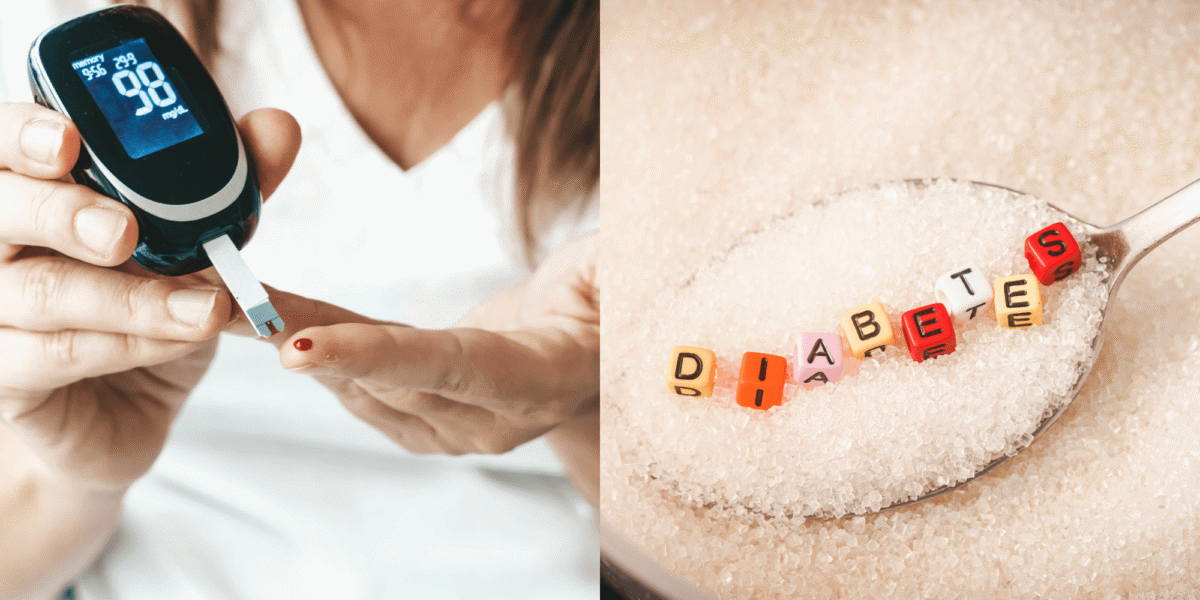
Prediabetes is one of the most important warning signs that your blood sugar is beginning to rise above the healthy range. It means your blood glucose levels are higher than normal but not yet high enough to meet the criteria for type 2 diabetes.
The good news? Prediabetes is a window of opportunity. Identifying it early gives you time to make meaningful changes that may help delay or prevent the progression to type 2 diabetes.
But there is one major challenge: prediabetes often has no obvious symptoms.
Many people can have elevated blood sugar for years without realizing it. When symptoms do occur, they may be subtle and easy to blame on stress, aging, poor sleep, or lifestyle changes.
At Florida Endocrinology & Diabetes Center, our endocrinology specialists help patients identify their risk for prediabetes, interpret blood sugar results, and develop personalized strategies to protect their long-term metabolic health.
So, what are the early warning signs of prediabetes you shouldn’t ignore and when should you consider getting tested?
What Is Prediabetes?
Prediabetes occurs when blood glucose levels are above the normal range but below the threshold used to diagnose diabetes.
According to the American Diabetes Association (ADA), prediabetes can be identified by any of the following laboratory results:
- A1C: 5.7%-6.4%
- Fasting plasma glucose: 100-125 mg/dL
- 2-hour glucose during a 75-gram oral glucose tolerance test: 140-199 mg/dL
A1C measures your average blood glucose exposure over approximately the previous 2-3 months, while fasting glucose measures your blood sugar after a period without eating. The oral glucose tolerance test measures how your body handles glucose after consuming a standardized glucose drink.
Prediabetes is more than simply having a slightly elevated blood sugar reading. It is associated with an increased risk of developing type 2 diabetes and cardiovascular disease, which is why early identification and intervention matter.
The Most Important Warning Sign: You May Have No Symptoms
This may sound surprising, but the absence of symptoms does not mean your blood sugar is normal.
Prediabetes frequently develops silently. A person can feel completely healthy while blood glucose and A1C levels are gradually increasing.
This is why routine screening can be more useful than waiting for symptoms to appear.
Some people with blood sugar levels approaching the diabetes range may begin noticing symptoms associated with high blood glucose, but these symptoms are not specific to prediabetes and should not be used to diagnose the condition.
This is particularly important if you have risk factors for insulin resistance or type 2 diabetes.
1. Increased Thirst or More Frequent Urination
One potential warning sign of rising blood sugar is increased thirst or urination.
When blood glucose becomes significantly elevated, the kidneys may work harder to remove excess glucose through urine. This can increase urination and contribute to increased thirst.
However, frequent urination and excessive thirst are more commonly associated with significant hyperglycemia and diabetes rather than early, uncomplicated prediabetes.
If you are suddenly:
- Drinking much more water than usual
- Waking frequently during the night to urinate
- Urinating much more often
- Experiencing persistent dry mouth or thirst
you should talk with your healthcare provider rather than assuming the symptoms are simply due to increased fluid intake.
These symptoms can have many other causes, but checking your blood glucose can help determine whether elevated blood sugar may be involved.
The ADA recognizes increased thirst, frequent urination, and unexplained weight loss as classic symptoms of significant hyperglycemia.
2. Unexplained Fatigue or Low Energy
Do you frequently feel exhausted even after getting enough sleep?
Fatigue is a common complaint among people with many different health conditions, and it is not specific to prediabetes. However, changes in glucose regulation and insulin resistance may be associated with feelings of low energy in some people.
Insulin helps glucose move from your bloodstream into cells where it can be used for energy. When insulin resistance develops, the body may have increasing difficulty using insulin effectively.
The pancreas may compensate by producing more insulin to help maintain blood glucose levels.
Over time, this process can contribute to rising blood sugar.
If you notice persistent fatigue along with other risk factors such as increased abdominal weight, high blood pressure, abnormal cholesterol levels, or a family history of diabetes, it may be worth discussing blood glucose testing with your physician.
Don’t automatically assume that tiredness is simply a normal part of getting older or having a busy schedule.
3. Increased Hunger or Difficulty Feeling Satisfied After Meals
Another possible clue is persistent hunger or feeling hungry again soon after eating.
Changes in insulin sensitivity and glucose metabolism can influence how the body handles energy. Some people with insulin resistance report increased hunger or difficulty feeling satisfied.
However, increased hunger is not a reliable way to diagnose prediabetes.
Your appetite can be influenced by many factors, including:
- Sleep deprivation
- Stress
- Physical activity
- Dietary patterns
- Medications
- Hormonal changes
- Mental health
- Other medical conditions
If increased hunger occurs together with unexplained weight changes, fatigue, increased thirst, or other metabolic risk factors, consider discussing it with your healthcare provider.
A simple blood test can provide much more useful information than trying to identify prediabetes based on symptoms alone.
4. Unexplained Changes in Weight, Especially Around the Abdomen
Changes in body weight can sometimes signal changes in metabolic health.
Prediabetes and insulin resistance are frequently associated with overweight or obesity, particularly increased abdominal or visceral fat. The ADA specifically identifies overweight or obesity as an important risk factor for screening, along with several other factors associated with insulin resistance.
You may notice:
- Gradual weight gain
- Increased waist circumference
- More abdominal fat
- Difficulty losing weight despite lifestyle changes
This doesn’t mean that everyone who gains weight has prediabetes.
However, increasing abdominal weight combined with high blood pressure, abnormal cholesterol or triglycerides, physical inactivity, or a family history of type 2 diabetes may increase your risk.
An endocrinologist can assess your overall metabolic health rather than focusing on weight alone.
5. Darkened Skin Around the Neck or Other Skin Folds
One physical sign that can be associated with insulin resistance is acanthosis nigricans.This condition can cause areas of skin to become:
- Darker
- Thicker
- Velvety in texture
It commonly appears around the:
- Back of the neck
- Armpits
- Groin
- Other skin folds
Acanthosis nigricans can be associated with insulin resistance and is included among clinical conditions associated with insulin resistance in ADA guidance.
If you notice new, unexplained darkening or thickening of the skin-particularly around your neckit is worth mentioning to your healthcare provider.
Acanthosis nigricans does not automatically mean you have prediabetes. There can be other causes, so proper medical evaluation is important.
6. Blurry Vision or Changes in Your Vision
Occasional blurry vision can have many causes, including dehydration, changes in prescription, eye conditions, medications, or fluctuations in blood glucose.
When blood glucose becomes significantly elevated, changes in fluid levels can temporarily affect the shape of the eye’s lens and cause blurry vision.
However, persistent or sudden changes in vision should never be ignored.
If you develop unexplained blurry vision, particularly alongside increased thirst, frequent urination, unexplained weight loss, or other symptoms of hyperglycemia, contact a healthcare professional and have your blood glucose checked.
Vision changes should also be evaluated by an eye-care professional when appropriate.
7. Slow Healing or Recurrent Infections
High blood glucose can affect several systems involved in the body’s normal defense and healing processes.
People with diabetes may experience problems such as recurrent infections or slow-healing wounds.
These problems are generally more concerning when blood glucose is significantly elevated and should not be considered a specific symptom of early prediabetes.
Still, if you repeatedly experience infections, wounds that seem slow to heal, or other unexplained changes in your health, it is reasonable to discuss your blood glucose levels with your healthcare provider.
Who Is at Higher Risk for Prediabetes?
Because prediabetes often has no symptoms, knowing your risk factors is extremely important.
According to the ADA’s 2026 Standards of Care, screening should be considered in adults with overweight or obesity who have one or more additional risk factors. Screening is also recommended beginning at age 35 for other adults, with more frequent testing depending on risk and previous results.
Risk factors include:
Family history
Having a parent, sibling, or other first-degree relative with type 2 diabetes can increase your risk.
Overweight or obesity
Excess body weight, particularly abdominal fat, is strongly associated with insulin resistance.
Physical inactivity
Regular physical activity helps your body use insulin more effectively. A sedentary lifestyle can increase metabolic risk.
High blood pressure
Hypertension often occurs alongside insulin resistance and other metabolic risk factors.
Abnormal cholesterol or triglycerides
Low HDL cholesterol and elevated triglycerides can be associated with insulin resistance and increased cardiometabolic risk.
Polycystic ovary syndrome
PCOS is associated with insulin resistance and increased risk of prediabetes and type 2 diabetes.
History of gestational diabetes
Women who have experienced diabetes during pregnancy have an increased future risk of developing type 2 diabetes.
Other conditions associated with insulin resistance
Conditions such as metabolic dysfunction-associated steatotic liver disease and acanthosis nigricans can also be associated with insulin resistance.
How Is Prediabetes Diagnosed?
Because prediabetes often has no clear symptoms, laboratory testing is the best way to identify it.
Your doctor may recommend one or more of the following tests.
A1C Test
The A1C test estimates your average blood glucose over approximately the previous 2-3 months.
An A1C of:
- Below 5.7%: Normal range
- 5.7%–6.4%: Prediabetes range
- 6.5% or higher: Diabetes range
The ADA recommends that diagnostic A1C testing be performed using an appropriate standardized laboratory method.
One advantage of A1C is that you generally do not need to fast before the test.
Fasting Blood Glucose
This test measures blood glucose after fasting.
The ADA defines:
- Below 100 mg/dL: Normal
- 100–125 mg/dL: Prediabetes range
- 126 mg/dL or higher: Diabetes range
When results are near or above diagnostic thresholds, additional testing may be needed to confirm the diagnosis.
Oral Glucose Tolerance Test
During an oral glucose tolerance test, your blood glucose is measured after fasting and again after consuming a standardized glucose drink.
A 2-hour glucose level of:
- Below 140 mg/dL: Normal
- 140–199 mg/dL: Prediabetes range
- 200 mg/dL or higher: Diabetes range
The different tests measure different aspects of glucose metabolism, so they do not always produce identical results.
Why Early Detection of Prediabetes Matters
Prediabetes is not something that should simply be ignored.
People with prediabetes have an increased risk of progressing to type 2 diabetes as well as cardiovascular and other cardiometabolic conditions.
But identifying prediabetes early gives you an opportunity to act.
The Bottom Line: Don’t Wait for Symptoms
The most important thing to understand about prediabetes is that you may not feel anything at all.
There is no single symptom that can tell you whether you have prediabetes. Fatigue, increased hunger, weight changes, increased thirst, blurry vision, or changes in your skin may have many possible causes.
That’s why blood glucose testing is so important.
The good news is that prediabetes provides an opportunity to identify metabolic changes before type 2 diabetes develops. With early detection, appropriate lifestyle changes, and medical guidance when needed, you can take meaningful steps toward protecting your long-term health.
At Florida Endocrinology & Diabetes Center, our endocrinology specialists can evaluate your individual risk factors, review your blood glucose and A1C results, and help you understand what they mean for your health.
If you are concerned about your blood sugar or have risk factors for prediabetes, don’t wait for symptoms. Talk with an endocrinology specialist and ask whether screening is right for you.
This article is intended for educational purposes only and should not replace personalized medical advice, diagnosis, or treatment from a qualified healthcare professional.