
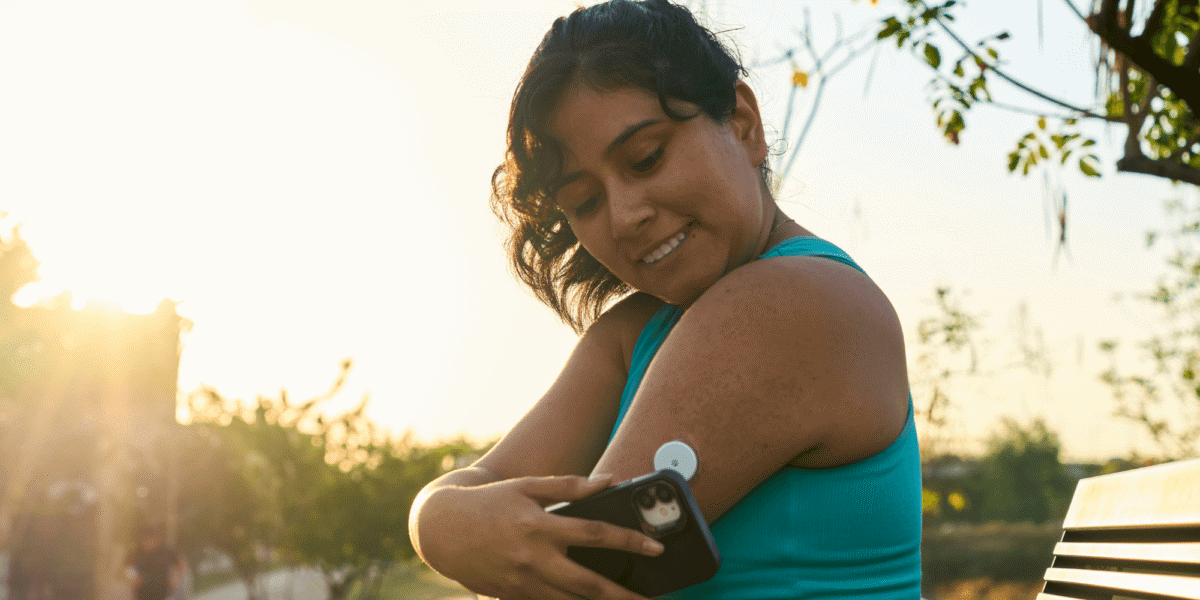
Continuous glucose monitors, commonly called CGMs, have changed the way many people manage diabetes. Instead of relying only on periodic finger-stick blood sugar checks, a CGM can provide ongoing information about glucose levels and show how blood sugar changes throughout the day and night.
But what if you want to start using a CGM without making an in-person trip to an endocrinology office?
Can a Florida endocrinologist prescribe a continuous glucose monitor online?
In many cases, yes. A Florida endocrinologist may be able to evaluate you through a telehealth appointment and determine whether a prescription CGM is appropriate for your medical situation. Florida law allows qualified healthcare providers to use telehealth for services including patient evaluation, diagnosis, consultation, treatment, and monitoring, provided they meet the applicable professional standards of care.
However, whether you need a prescription depends on the specific CGM you want, your health history, your diabetes treatment, and the clinical purpose of using the device.
At Florida Endocrinology & Diabetes Center, our specialists can help patients understand their glucose-monitoring options and determine whether CGM technology may be appropriate as part of their diabetes care.
What Is a Continuous Glucose Monitor?
A continuous glucose monitor (CGM) is a wearable medical device that measures glucose levels in the fluid just beneath the skin. Depending on the device, readings can be transmitted continuously or at regular intervals to a smartphone, receiver, or compatible device.
Instead of giving you only an occasional snapshot of your blood glucose, CGM technology can provide a much broader picture of your glucose patterns.
For people using CGM for diabetes management, the information may help identify:
- High blood glucose levels
- Low blood glucose levels
- Glucose patterns after meals
- Overnight glucose changes
- Responses to physical activity
- Effects of medications
- Trends toward rising or falling glucose
The American Diabetes Association’s 2026 Standards of Care recognize CGM as an important diabetes-management technology and recommend its use for many people with diabetes, with the specific device selected according to the individual’s needs, circumstances, preferences, and treatment.
Can You Get a CGM Prescription Through Telehealth in Florida?
Potentially, yes.
Florida’s telehealth law allows healthcare providers who meet the state’s requirements to use telehealth for patient evaluation, diagnosis, consultation, treatment, and monitoring. The provider must practice according to the same applicable professional standards expected when providing care in person.
This means an endocrinology appointment does not necessarily have to happen in the doctor’s office simply because you are discussing diabetes technology.
During an online endocrinology consultation, your physician may review information such as:
- Your diabetes diagnosis
- Current medications
- Insulin use
- Recent A1C results
- Blood glucose readings
- Episodes of high or low blood sugar
- Previous diabetes treatments
- Other medical conditions
- Your goals for glucose monitoring
- Your insurance or coverage situation
- Your experience with glucose meters or previous CGMs
After reviewing your medical information, the endocrinologist can determine whether a prescription CGM is medically appropriate and, if so, which type of device may best fit your needs.
Importantly, a legitimate telehealth evaluation is more than filling out an online questionnaire. Florida guidance emphasizes that prescribing should be based on an appropriate patient evaluation and professional judgment rather than simply issuing prescriptions based on an electronic questionnaire.
Do All CGMs Require a Prescription?
No.
This is one of the most important distinctions to understand.
Today, CGMs generally fall into different categories, including prescription CGMs and over-the-counter (OTC) CGMs.
The ADA’s 2026 Standards of Care list prescription real-time CGMs such as Dexcom G6 and G7, FreeStyle Libre 2 Plus and Libre 3 Plus, Eversense 365, Guardian 4, and Simplera, while Dexcom Stelo and Abbott Lingo are listed as OTC CGMs.
Prescription CGMs
Prescription CGMs are intended for people who need CGM technology as part of medical diabetes management.
Depending on the device and indication, prescription CGMs may offer features such as:
- Continuous glucose readings
- High-glucose alerts
- Low-glucose alerts
- Trend information
- Smartphone integration
- Data sharing with healthcare providers or caregivers
- Integration with certain insulin-delivery systems
For people taking insulin or medications that can cause hypoglycemia, these features can be particularly important.
Over-the-counter CGMs
Some CGMs are available without a prescription.
The ADA notes that OTC CGMs can be purchased by people without diabetes, including people with prediabetes who want to learn more about how lifestyle factors such as food and exercise affect glucose levels. These devices generally do not provide the same type of hypoglycemia alerts as prescription real-time CGMs.
That does not mean that an OTC CGM is automatically the best choice for someone with diabetes.
The right device depends on what you are trying to accomplish and how the information will be used.
Who May Benefit From a Prescription CGM?
CGM isn’t necessarily appropriate or necessary for every person.
The American Diabetes Association recommends CGM for people with diabetes who are using insulin and for people taking non-insulin therapies that can cause hypoglycemia. It can also be considered when CGM is expected to help with management of a person’s diabetes.
A prescription CGM may be particularly useful for people who:
Have Type 1 Diabetes
CGM has become an important part of type 1 diabetes management because it can provide ongoing information about glucose levels and help identify periods of hyperglycemia and hypoglycemia.
Use Insulin
People using intensive insulin therapy may benefit from having more frequent glucose information to help manage their treatment safely.
The ADA recommends CGM for people with diabetes using insulin and emphasizes continued access to CGM for appropriate users.
Experience Hypoglycemia
If you experience low blood sugar, especially if you don’t always recognize the symptoms, a CGM with appropriate alerts may provide an additional layer of information.
Have Significant Glucose Variability
Some people experience substantial fluctuations between high and low glucose levels. CGM can help identify these patterns more clearly than occasional finger-stick testing.
Have Type 2 Diabetes
CGM isn’t limited to type 1 diabetes.
People with type 2 diabetes may also benefit, particularly those using insulin or other treatments where CGM can meaningfully assist with glucose management.
The 2026 ADA Standards also note evidence supporting intermittent CGM use in some people with type 2 diabetes who are not using intensive insulin therapy.
Can a Florida Endocrinologist Prescribe a CGM Online for Someone With Prediabetes?
This requires a little more nuance.
Having prediabetes does not automatically mean that you need a prescription CGM.
In fact, the ADA states that there is currently insufficient evidence to use CGM for the screening or diagnosis of prediabetes or diabetes. Standard diagnostic tests such as A1C, fasting plasma glucose, and oral glucose tolerance testing remain the established methods for diagnosing prediabetes.
However, some people with prediabetes may choose to use an OTC CGM to better understand how their glucose responds to meals, exercise, sleep, and other lifestyle factors.
The ADA specifically recognizes that OTC CGMs can be used by people with prediabetes who want to assess glucose responses to lifestyle choices.
If you have prediabetes and are considering a CGM, an endocrinologist can help you understand:
- Whether CGM is likely to provide useful information
- Which device may be appropriate
- How to interpret glucose trends
- What glucose patterns may be meaningful
- How diet and exercise affect your glucose
- When a traditional blood glucose test is more appropriate
The important point is that a CGM should complement—not replace—appropriate medical evaluation and standard diabetes testing.
What Happens During an Online CGM Consultation?
A virtual appointment with an endocrinologist can be a convenient way to discuss CGM technology.
Your appointment may begin with a review of your medical history and current concerns.
Step 1: Discuss Your Diabetes History
Your endocrinologist may ask about:
- When you were diagnosed
- Your current A1C
- Current medications
- Insulin use
- Previous episodes of low blood sugar
- Previous glucose-monitoring methods
- Other medical conditions
Step 2: Review Your Glucose Information
If you currently use a blood glucose meter or CGM, your physician may review your available readings or reports.
CGM data can provide information about average glucose, time in range, time above range, time below range, and glucose variability. The ADA recognizes these metrics as useful components of glycemic assessment.
Step 3: Determine Whether CGM Is Appropriate
Your endocrinologist will consider your individual situation rather than prescribing a CGM simply because you request one.
The decision may depend on your diagnosis, treatment, risk of hypoglycemia, glucose patterns, preferences, and ability to use the technology.
Step 4: Select a Device
There isn’t one CGM that is right for everyone.
Your physician may consider:
- Alarm features
- Sensor duration
- Smartphone compatibility
- Accuracy
- Ease of use
- Data-sharing capabilities
- Integration with insulin-delivery systems
- Insurance coverage
- Cost
The ADA recommends that CGM selection be individualized according to the patient’s circumstances, needs, preferences, and skill level.
Step 5: Follow-Up and Data Review
Starting a CGM is not necessarily the end of the process.
Your endocrinologist may want to review your CGM data after you have used the device for a period of time.
This can help identify patterns and determine whether changes to your diabetes-management plan are appropriate.
Does Insurance Cover a CGM Prescribed Online?
This is one of the most common questions patients ask.
Insurance coverage depends on your specific plan, diagnosis, treatment, device, and coverage requirements.
Having a prescription does not automatically guarantee that your insurance company will pay for the CGM.
Some insurers may have specific eligibility criteria, documentation requirements, preferred devices, or authorization processes.
Coverage can also change over time.
The ADA notes that insurance coverage can lag behind the availability of diabetes technology, making access and device selection more complicated for some patients.
Before choosing a device, your endocrinology team can help you understand what information may be needed for the prescription and insurance process.
You should also check directly with your insurance provider regarding your benefits and coverage requirements.
Do You Still Need a Finger-Stick Glucose Meter If You Use a CGM?
In many cases, yes.
A CGM is an extremely useful tool, but it does not necessarily eliminate the need for a blood glucose meter.
The ADA recommends that people using CGM also have access to blood glucose monitoring. A finger-stick measurement may be useful when the CGM reading does not match how you feel, when the sensor is warming up, if there is a transmission problem, when supplies are delayed, or in other situations where confirmation is appropriate.
For example, if your CGM says your glucose is extremely low but you feel completely normal—or if your symptoms strongly suggest hypoglycemia while the sensor reports a normal value—your healthcare provider may advise you to confirm the reading with a blood glucose meter.
Your endocrinologist can explain when confirmation is appropriate for your specific device and treatment plan.
Can a CGM Replace an A1C Test?
No.
CGM and A1C provide different types of information.
An A1C test provides an estimate of average blood glucose over approximately the previous 2–3 months.
CGM provides much more detailed information about day-to-day glucose patterns, including time in range, time above range, time below range, and glucose variability.
These tools can complement one another.
For example, someone may have an acceptable average glucose level while still experiencing substantial fluctuations throughout the day. CGM can make those patterns easier to identify.
Your endocrinologist can determine which measurements are appropriate for monitoring your diabetes.
What Are the Benefits of Getting CGM Care Through Telehealth?
For many patients, telehealth can make diabetes care more convenient.
Potential advantages include:
Convenience
You may be able to meet with your endocrinologist from home instead of traveling to an office.
Easier Follow-Up
Diabetes management often involves reviewing glucose data and making adjustments over time. Virtual appointments can make some follow-up visits more convenient.
Remote Data Review
Many CGM systems can share glucose information electronically, allowing healthcare professionals to review glucose patterns remotely when the appropriate technology and permissions are in place.
The ADA notes that glucose data can be analyzed remotely to help guide diabetes therapy adjustments.
Personalized Device Selection
An online endocrinology consultation isn’t simply about obtaining a prescription. It provides an opportunity to discuss which device makes sense for your medical and lifestyle needs.
What Should You Look for in an Online CGM Provider?
If you are considering an online appointment for CGM management, make sure you are receiving care from a qualified medical professional who can appropriately evaluate your health situation.
Ask whether the practice:
- Employs or works with licensed endocrinology professionals
- Performs a genuine medical evaluation
- Reviews your diabetes history and medications
- Provides follow-up care
- Helps interpret CGM data
- Can coordinate prescription and insurance requirements
- Provides education on how to use the device
- Can adjust your diabetes-management plan when necessary
The goal should not simply be to obtain a device.
The goal is to use glucose data to improve your health safely and effectively.
The ADA specifically recommends that people prescribed CGM receive appropriate initial and ongoing education and training based on their individual circumstances.
What If You Don’t Have Diabetes?
You don’t necessarily need diabetes to purchase an OTC CGM.
The availability of OTC CGMs has expanded access to glucose-monitoring technology for people who aren’t using CGM as part of prescription diabetes treatment. The ADA notes that people without diabetes or with prediabetes may use OTC CGMs to learn about glucose responses to lifestyle factors such as food and exercise.
However, wearing a CGM doesn’t mean that every glucose fluctuation represents a health problem.
Glucose naturally changes throughout the day based on meals, exercise, stress, hormones, sleep, medications, and other factors.
If you are using CGM to understand your metabolic health, professional guidance can help you avoid overinterpreting individual readings.
If you are concerned about diabetes or prediabetes, standard blood testing remains important. The ADA does not currently recommend CGM as a diagnostic test for prediabetes or diabetes.
Frequently Asked Questions About Online CGM Prescriptions
Can a Florida endocrinologist prescribe a CGM through a video appointment?
In many situations, yes. Florida law permits qualified healthcare providers to use telehealth for patient evaluation, diagnosis, consultation, treatment, and monitoring, provided they meet applicable professional standards. Whether a CGM can appropriately be prescribed through telehealth depends on the physician’s clinical assessment and the patient’s circumstances.
Do I need diabetes to use a CGM?
No. Some CGMs are available over the counter and may be used by people without diabetes. However, prescription CGMs are generally used as part of medical diabetes management, and the appropriate device depends on the individual’s needs.
Can I get a CGM prescription without seeing a doctor?
A prescription CGM should be prescribed by an appropriately qualified healthcare professional following an appropriate medical evaluation. Florida guidance does not support prescribing based solely on an electronic questionnaire.
Will insurance cover my CGM?
Coverage varies by insurance plan and individual circumstances. Your diagnosis, medication regimen, device, and insurer’s requirements may all affect coverage.
Can I use a CGM if I have prediabetes?
Some people with prediabetes may choose to use an OTC CGM to learn about their glucose responses to lifestyle factors. However, CGM should not be used as a substitute for standard diagnostic testing for prediabetes or diabetes.
How long does a CGM sensor last?
Sensor duration varies by device. Different prescription and OTC systems have different wear periods, so your endocrinologist or device manufacturer can provide specific instructions for the CGM you use.
Takeaway: Online CGM Care Can Make Diabetes Management More Convenient
Can a Florida endocrinologist prescribe a CGM online?
In many cases, yes. A qualified Florida endocrinologist may evaluate you through telehealth and determine whether a prescription CGM is appropriate for your diabetes management. Florida law allows telehealth evaluation and treatment when the provider meets applicable standards of care.
But getting a CGM is only one part of effective diabetes care.
The most important question isn’t simply “Can I get a CGM online?”
It’s “Which glucose-monitoring approach is right for my health, and how should I use the information?”
Whether you have type 1 diabetes, type 2 diabetes, prediabetes, or another condition affecting glucose levels, an endocrinologist can help you determine whether CGM technology is appropriate, select a device based on your individual needs, and interpret the data as part of your broader treatment plan.
At Florida Endocrinology & Diabetes Center, our endocrinology specialists provide personalized diabetes care, including evaluation of glucose-monitoring needs and diabetes technology.
Interested in using a continuous glucose monitor? Schedule a telehealth consultation with our endocrinology team to discuss whether CGM may be right for you.
This article is intended for educational purposes only and should not replace personalized medical advice, diagnosis, or treatment from a qualified healthcare professional. CGM availability, FDA indications, insurance coverage, and telehealth requirements can change. Your healthcare provider can determine whether a specific CGM is appropriate for you.