
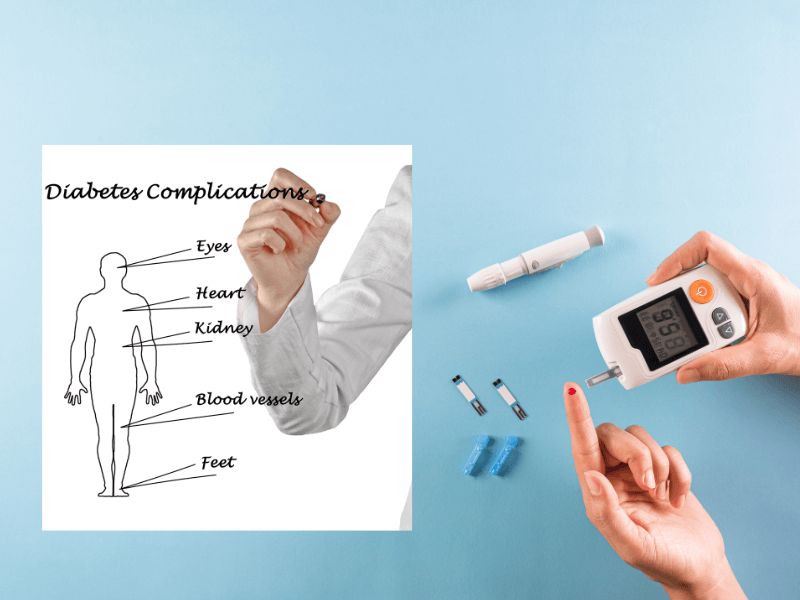
Living with diabetes can feel overwhelming at times, but the good news is that with the right strategies, you can lead a long, healthy, and active life. Diabetes itself is manageable; it’s the complications—such as heart disease, kidney failure, nerve damage, and vision problems—that can be more dangerous if not addressed early. Fortunately, many of these risks can be minimized or even prevented through lifestyle changes, regular monitoring, and professional medical care.
At Florida Endocrinology and Diabetes Center, our specialists help patients every day to manage diabetes effectively and reduce long-term risks. In this guide, we outline 10 easy, practical steps you can take to avoid diabetes-related complications and stay on top of your health.
1. Keep Your Blood Sugar in Target Range
Maintaining blood sugar control is the single most important step in preventing complications. Elevated glucose over time damages blood vessels and nerves, leading to issues with the heart, kidneys, eyes, and feet.
Tips to maintain healthy glucose levels:
- Follow your prescribed medication or insulin schedule.
- Monitor your blood sugar regularly at home.
- Work with your endocrinologist to adjust treatment when needed.
- Aim for an HbA1c (average 3-month blood sugar) as recommended by your doctor, usually below 7%.
Pro Tip: Use a continuous glucose monitor (CGM) if recommended—it provides real-time tracking and can help you notice spikes before they become problematic.
2. Eat a Diabetes-Friendly Diet
Your diet plays a crucial role in blood sugar control and overall health. Poor eating habits can lead to weight gain, uncontrolled blood glucose, and higher risks of cardiovascular problems.
Diabetes-friendly nutrition tips:
- Choose high-fiber foods: vegetables, whole grains, and legumes.
- Limit refined carbs and added sugars.
- Include lean protein (fish, chicken, beans, tofu) with each meal.
- Incorporate heart-healthy fats like avocados, nuts, and olive oil.
- Practice portion control—smaller, balanced meals help prevent glucose spikes.
3. Stay Physically Active
Exercise improves insulin sensitivity, lowers blood sugar, boosts cardiovascular health, and helps with weight control. It also reduces stress, which can impact glucose levels.
Activity ideas:
- Aim for at least 150 minutes of moderate-intensity exercise per week (e.g., brisk walking, swimming, cycling).
- Incorporate resistance training twice a week to build muscle mass.
- Add simple activities to your day—take stairs instead of elevators, walk during phone calls, or stretch at your desk.
Caution: Always check with your doctor before starting a new exercise program, especially if you have diabetic neuropathy or heart concerns.
4. Maintain a Healthy Weight
Being overweight—especially carrying excess abdominal fat—makes blood sugar control harder and raises risks for heart disease, fatty liver, and insulin resistance.
Weight management strategies:
- Set realistic, gradual weight-loss goals (5–10% of body weight can make a big difference).
- Avoid crash diets—focus on sustainable lifestyle changes.
- Combine diet adjustments with exercise for long-term success.
- Seek support from a registered dietitian or endocrinologist.
At Florida Endocrinology and Diabetes Center, we provide personalized weight-loss programs tailored for patients with diabetes.
5. Prioritize Regular Medical Check-Ups
Even when you feel well, diabetes can silently damage organs over time. Routine check-ups ensure early detection of potential complications.
Essential check-ups include:
- HbA1c tests (every 3–6 months).
- Blood pressure checks at each visit.
- Cholesterol testing annually.
- Kidney function tests (urine and blood).
- Eye exams by an ophthalmologist once a year.
- Foot exams at least annually, or more often if you have neuropathy.
6. Protect Your Heart Health
People with diabetes are at a significantly higher risk of cardiovascular disease, heart attacks, and strokes. Protecting your heart is just as important as controlling your blood sugar.
Steps to protect heart health:
- Keep blood pressure under 130/80 mmHg.
- Monitor and manage cholesterol levels.
- Avoid smoking—tobacco accelerates blood vessel damage.
- Limit sodium intake to reduce blood pressure.
- Stay physically active and maintain a balanced diet.
Pro Tip: Ask your doctor whether you might benefit from aspirin or statin therapy to reduce cardiovascular risk.
7. Take Care of Your Kidneys
Kidney disease (diabetic nephropathy) is one of the most common diabetes-related complications. It develops gradually but can lead to kidney failure if left unmanaged.
Ways to protect kidney function:
- Control blood sugar and blood pressure.
- Stay hydrated—drink adequate water daily.
- Limit processed foods high in sodium and phosphorus.
- Avoid excessive use of over-the-counter pain medications (like NSAIDs).
- Get regular urine tests to check for protein leakage (a sign of kidney stress).
8. Protect Your Eyes and Vision
Diabetic retinopathy, cataracts, and glaucoma are more common among people with diabetes. These conditions can lead to partial or complete vision loss if untreated.
Eye care essentials:
- Get a dilated eye exam every year.
- Report changes in vision (blurriness, floaters, dark spots) immediately.
- Maintain blood sugar, blood pressure, and cholesterol control.
- Wear sunglasses to protect against UV damage.
9. Take Care of Your Feet
High blood sugar can cause poor circulation and nerve damage (diabetic neuropathy), increasing the risk of foot ulcers and infections.
Daily foot care routine:
- Wash and dry feet thoroughly.
- Check for cuts, blisters, redness, or swelling daily.
- Moisturize to prevent dryness, but avoid applying lotion between toes.
- Wear well-fitted shoes and breathable socks.
- See a podiatrist for any persistent foot problems.
Warning: Never ignore foot injuries—what seems like a small cut can turn into a serious infection quickly.
10. Manage Stress and Mental Health
Stress and anxiety can raise blood sugar levels by releasing hormones like cortisol. Over time, this worsens diabetes control and increases complications.
Healthy coping strategies:
- Practice relaxation techniques such as yoga, meditation, or deep breathing.
- Maintain a consistent sleep schedule.
- Stay socially connected—talk with friends, family, or support groups.
- Seek counseling or therapy if you experience depression or burnout related to diabetes.
Bonus: Take Your Medications as Prescribed
Skipping doses or adjusting medications without medical advice can lead to uncontrolled diabetes and faster progression of complications. Always follow your treatment plan and communicate with your healthcare team if you experience side effects.
Final Thoughts
Diabetes management is not just about lowering blood sugar—it’s about protecting your entire body from potential complications. By following these 10 simple lifestyle and health strategies, you can significantly reduce your risks and live a fulfilling, healthy life.
At Florida Endocrinology and Diabetes Center, our mission is to guide patients through every stage of diabetes care—from diagnosis to long-term management—using the latest treatments and personalized support.
If you’re concerned about preventing complications or need help fine-tuning your diabetes care plan, schedule a consultation with our experts today. Together, we’ll help you take control of your health and future.
Visit our website – https://tampabayendocrine.com/