
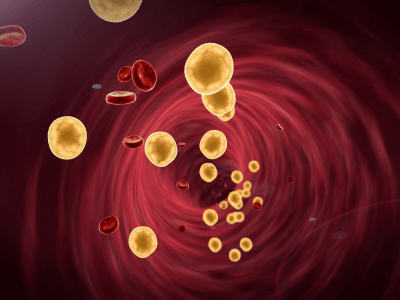
When you hear the word “cholesterol,” you might immediately think bad, unhealthy, or heart problems. But the truth is—not all cholesterol is bad. In fact, your body needs a certain amount of it to function properly.
The key is understanding the difference between good and bad cholesterol, and more importantly, how to keep them in balance for a healthy heart and long life.
At Florida Endocrinology and Diabetes Center, we help patients in Tampa, St. Petersburg, and across the Gulf Coast take control of their cholesterol and protect their heart health—often without medication.
In this blog, our experts break down the basics of cholesterol, how it works, how it affects your body, and how you can manage it through simple lifestyle changes and treatments.
What Is Cholesterol, Really?
Cholesterol is a waxy, fat-like substance found in your blood. Your body uses cholesterol to build cells, make hormones, and produce vitamin D.
You get cholesterol from two sources:
- Your Liver – Makes all the cholesterol your body needs
- Your Diet – Especially animal-based foods like meat, cheese, and eggs
So far, so good. But problems start when cholesterol levels become imbalanced, leading to buildup in arteries—raising the risk of heart disease, stroke, and diabetes.
Good vs. Bad Cholesterol: What’s the Difference?
Let’s break it down.
HDL (High-Density Lipoprotein) – “Good” Cholesterol
- Think of HDL as the clean-up crew.
- It removes excess cholesterol from your arteries and brings it back to the liver to be broken down and eliminated.
- Higher HDL levels are associated with lower risk of heart disease.
Goal: HDL of 60 mg/dL or higher is considered protective
Below 40 mg/dL (men) or 50 mg/dL (women) is too low
LDL (Low-Density Lipoprotein) – “Bad” Cholesterol
- LDL delivers cholesterol to your cells—which is fine in small amounts.
- The problem is, excess LDL builds up in your artery walls, forming plaques that narrow blood flow and can lead to heart attacks and strokes.
Goal: Keep LDL below 100 mg/dL
Over 160 mg/dL is considered high
Other Important Cholesterol Numbers
- Total Cholesterol: HDL + LDL + 20% of your triglycerides
- Ideal: Below 200 mg/dL
- Triglycerides: Another type of fat linked to heart disease
- Ideal: Below 150 mg/dL
Why Cholesterol Matters for Your Health
High LDL and low HDL levels increase your risk for:
- Heart attack
- Stroke
- Peripheral artery disease (PAD)
- Type 2 diabetes
- Fatty liver disease
Even if you feel fine, high cholesterol is a silent risk. Most people have no symptoms until it’s too late.
Who Should Get Their Cholesterol Checked?
At Florida Endocrinology and Diabetes Center, we recommend:
✅ Everyone over 20 should get a cholesterol test every 4–6 years
✅ More frequent testing if you:
- Are over 40
- Have diabetes, obesity, or high blood pressure
- Have a family history of heart disease
- Smoke or lead a sedentary lifestyle
We use a simple blood test called a lipid panel to assess your numbers.
Lifestyle Tips to Boost Good Cholesterol and Lower Bad
Here’s the good news: You can often improve your cholesterol naturally—without medication—just by making a few daily changes.
1. Eat Heart-Healthy Foods
Swap out cholesterol-raising foods for ones that improve your lipid profile.
Eat more of:
- Oats and whole grains – Contain soluble fiber that helps remove LDL
- Fatty fish (salmon, mackerel) – Rich in omega-3s
- Avocados and nuts – Full of heart-healthy fats
- Fruits and vegetables – High in antioxidants and fiber
- Beans and legumes – Great for fiber and cholesterol balance
Cut back on:
- Red meat and processed meats
- Full-fat dairy
- Fried and fast foods
- Butter and shortening
- Baked goods with trans fats
2. Exercise Regularly
Aim for 30 minutes a day, 5 days a week. You don’t have to run marathons—walking, biking, swimming, dancing, or yoga can all help raise HDL and lower LDL.
Bonus: Exercise also helps with weight loss, which further improves cholesterol.
3. Lose Extra Weight
Even losing 5–10% of your body weight can significantly reduce LDL and triglycerides while boosting HDL.
We offer nutrition counseling and personalized weight-loss plans for our patients.
4. Quit Smoking
Quitting tobacco improves your HDL almost immediately—and drastically reduces heart attack risk. Need help? Ask us about smoking cessation programs.
5. Limit Alcohol
Too much alcohol can raise triglycerides and blood pressure. If you drink:
- Men: No more than 2 drinks per day
- Women: No more than 1
Treatment Options: When Lifestyle Isn’t Enough
Sometimes, diet and exercise alone aren’t enough—especially if you have genetic risk factors, diabetes, or very high LDL.
We may recommend medications to bring cholesterol into a safer range.
Common Cholesterol Medications
Statins (e.g., Atorvastatin, Rosuvastatin)
- Most prescribed
- Block cholesterol production in the liver
- Proven to reduce heart attack risk
Ezetimibe
- Blocks cholesterol absorption in the intestines
PCSK9 Inhibitors (e.g., Repatha, Praluent)
- Injectable
- Very effective for patients with genetic high cholesterol or statin intolerance
Bile Acid Sequestrants and Fibrates
- Often used for people who can’t tolerate statins
At Florida Endocrinology and Diabetes Center, we personalize treatment to fit your lifestyle, medical history, and goals—and we’ll monitor for side effects or medication interactions.
What About Genetic High Cholesterol? (Familial Hypercholesterolemia)
Some people have genetically high LDL that won’t respond well to lifestyle changes alone.
Familial hypercholesterolemia (FH) is a hereditary condition that can lead to early heart disease—even in people who eat well and exercise.
We offer:
✅ Advanced lipid testing
✅ Genetic screening (if needed)
✅ Aggressive early treatment plans
How We Help at Florida Endocrinology and Diabetes Center
When you come to us for cholesterol care, we offer:
- Full lab panels and regular monitoring
- Personalized nutrition and fitness plans
- Medication management with minimal side effects
- Heart risk assessments using your age, family history, blood pressure, and cholesterol
- Long-term support to help you succeed—whether your goal is to avoid medication or stay healthy for your family
We believe that knowledge is power, and we’re here to empower you with expert care and a plan that works.
Sample Day for Heart-Healthy Living
Breakfast:
- Oatmeal with chia seeds and berries
- Green tea
Snack:
- Handful of almonds or an apple
Lunch:
- Grilled salmon salad with olive oil dressing
- Whole-grain crackers
Snack:
- Carrot sticks with hummus
Dinner:
- Stir-fried veggies with tofu or lean chicken
- Brown rice or quinoa
Exercise:
- 30-minute brisk walk after dinner
Sleep:
- Aim for 7–8 hours per night
Quick Tips Recap
✅ Eat more fiber and healthy fats
✅ Move your body every day
✅ Cut down on sugar and fried foods
✅ Don’t smoke
✅ Keep alcohol moderate
✅ Check your cholesterol every few years (more if you’re at risk)
Ready to Take Control of Your Cholesterol in Tampa Bay?
If you’re concerned about your cholesterol, tired of feeling sluggish, or want to avoid medications, you’re not alone—and we’re here to help.
At Florida Endocrinology and Diabetes Center, we combine expert care with patient-friendly support. Whether you’re newly diagnosed or just curious about your heart health, we’ll guide you step by step.
📍 Serving Tampa, St. Petersburg, Clearwater, and surrounding communities
📞 Call us today to book your appointment: St. Petersburg: 727-345-5222, Tampa: 813-359-0829, Pinellas Park: 727-623-9913
🌐 Visit https://tampabayendocrine.com/