
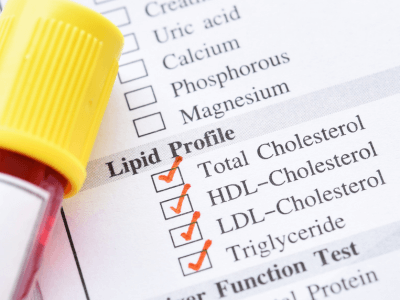
High cholesterol is one of the most silent yet dangerous health issues facing Americans today. It typically presents no symptoms but significantly increases your risk for heart attack, stroke, and other cardiovascular diseases. The only way to know if your cholesterol is at a healthy level is through a simple blood test—a cholesterol or lipid panel.
At Florida Endocrinology and Diabetes Center, we emphasize the importance of early detection and proactive management. This blog will guide you through everything you need to know about getting your cholesterol tested, including why it’s important, how to prepare, what to expect, and how to interpret your results.
Why Is Cholesterol Testing Important?
Cholesterol is a fatty substance found in your blood. While your body needs it to build cells and produce hormones, too much cholesterol—especially LDL (“bad”) cholesterol—can accumulate in artery walls, causing narrowing and blockages that may lead to serious heart conditions.
Routine cholesterol testing can help detect:
- High LDL cholesterol (bad cholesterol)
- Low HDL cholesterol (good cholesterol)
- Elevated triglycerides (another type of fat that raises heart disease risk)
- Inherited lipid disorders, such as familial hypercholesterolemia
Early diagnosis allows for timely lifestyle changes and treatment, even before symptoms develop.
Who Should Get Their Cholesterol Checked?
The American Heart Association (AHA) and U.S. Preventive Services Task Force recommend the following cholesterol testing guidelines:
Adults:
- Every 4–6 years for adults aged 20 and older with no cardiovascular risk factors.
- More frequently (annually or biannually) for adults with:
- Diabetes
- High blood pressure
- Smoking habits
- Family history of heart disease
- Obesity or metabolic syndrome
- Existing heart disease
Children and Adolescents:
- Once between ages 9–11, then again between 17–21.
- Earlier or more frequently if they are obese, have diabetes, or have a family history of high cholesterol.
What Types of Cholesterol Tests Are Available?
The most common test is the Lipid Panel (or Lipid Profile). This blood test provides a detailed breakdown of the following:
1. Total Cholesterol
The total amount of cholesterol in your blood, including LDL and HDL.
2. Low-Density Lipoprotein (LDL)
Known as “bad cholesterol,” high LDL levels can lead to plaque buildup in arteries.
3. High-Density Lipoprotein (HDL)
The “good cholesterol” that helps remove LDL from your bloodstream.
4. Triglycerides
Fat in the blood used for energy. High levels are linked to a higher risk of heart disease.
5. Non-HDL Cholesterol
Total cholesterol minus HDL. A better predictor of heart disease than LDL alone.
Complex Lipid Disorders Treatment in Pinellas Park, St. Petersburg, Tampa, Florida
How to Prepare for a Cholesterol Test
At Florida Endocrinology and Diabetes Center, we give clear guidance to help you get accurate results. Some cholesterol tests require fasting, while others may not.
Fasting vs. Non-Fasting Tests
- Fasting tests require you to avoid eating or drinking (except water) for 9–12 hours prior to your blood draw.
- Non-fasting tests are increasingly used for screening, especially when no major lipid disorders are suspected.
Your doctor will advise you whether fasting is necessary based on:
- Your personal risk factors
- Your previous cholesterol levels
- Whether it’s your first test or a follow-up
Additional Preparation Tips:
- Avoid alcohol for at least 24 hours before the test.
- Don’t engage in strenuous exercise for 24 hours prior.
- Continue taking your medications unless advised otherwise.
- Inform your doctor about any supplements, such as fish oil or niacin.
How Is the Cholesterol Test Done?
Getting your cholesterol tested is simple and quick. Here’s what you can expect:
Blood Sample Collection
- A phlebotomist or nurse will draw blood, typically from a vein in your arm.
- The process takes only a few minutes.
Lab Analysis
- Your blood sample is sent to a lab where cholesterol levels are measured using standard assays.
Results
- Results are usually available within 24–72 hours.
- At our clinic, your endocrinologist will review the results with you and provide personalized recommendations.
Understanding Your Cholesterol Results
Here is a general interpretation of lipid panel values (for adults):
Component | Desirable Range |
Total Cholesterol | Less than 200 mg/dL |
LDL (Bad Cholesterol) | Less than 100 mg/dL (optimal) |
HDL (Good Cholesterol) | 60 mg/dL or higher (ideal) |
Triglycerides | Less than 150 mg/dL |
Non-HDL Cholesterol | Less than 130 mg/dL |
Note: These ranges can vary based on age, sex, medical history, and presence of other risk factors like diabetes or high blood pressure.
Your endocrinologist will interpret these numbers in context and may calculate your 10-year atherosclerotic cardiovascular disease (ASCVD) risk to guide treatment.
What Happens If Your Cholesterol Is High?
High cholesterol doesn’t automatically mean you’ll need medication. Treatment is based on your overall cardiovascular risk profile.
Lifestyle Modifications (First Line of Defense)
- Nutrition Counseling: Focus on heart-healthy diets like the Mediterranean or DASH diet.
- Exercise: At least 150 minutes of moderate aerobic activity per week.
- Weight Management: Even modest weight loss can improve cholesterol.
- Quit Smoking: Smoking lowers HDL and raises LDL.
- Limit Alcohol: Excessive drinking can raise triglycerides.
Medications
If lifestyle changes aren’t enough or your risk is high, your doctor may prescribe:
- Statins (e.g., atorvastatin, rosuvastatin)
- Ezetimibe
- PCSK9 inhibitors (for familial or very high-risk cases)
- Fibrates or Omega-3s (for elevated triglycerides)
At Florida Endocrinology and Diabetes Center, we personalize every treatment plan and monitor progress with follow-up testing.
How Often Should You Recheck Cholesterol?
- Normal Results, Low Risk: Every 4–6 years
- Borderline or High Results: Every 6–12 months
- On Cholesterol Medication: As recommended—often 3–6 months after starting or adjusting therapy
What Makes Cholesterol Testing at Florida Endocrinology and Diabetes Center Different?
Our clinic provides a comprehensive and compassionate approach to cardiovascular risk management:
- Board-Certified Endocrinologists: Experts in metabolic and lipid disorders
- Advanced Lab Diagnostics: Including apolipoprotein, LDL particle size, Lp(a), and hs-CRP when needed
- Nutrition & Lifestyle Coaching: Tailored to your preferences and health status
- Follow-up & Support: Regular testing, progress tracking, and medication optimization
We believe that knowledge is power—and when patients are educated and engaged, outcomes improve dramatically.
Conclusion
Getting your cholesterol tested is one of the simplest yet most impactful things you can do for your heart health. It provides a clear window into your risk for cardiovascular disease and offers a starting point for proactive intervention.
Whether it’s your first test or your annual follow-up, the expert team at Florida Endocrinology and Diabetes Center is here to guide you with precision, care, and personalized treatment.
Book Your Cholesterol Test Today
If you’re due for a cholesterol check—or if you have a family history of heart disease, diabetes, or metabolic syndrome—schedule an appointment with Florida Endocrinology and Diabetes Center today. Let us help you take charge of your health before symptoms ever appear.
Read Also: Understanding the Difference Between Good and Bad Cholesterol