
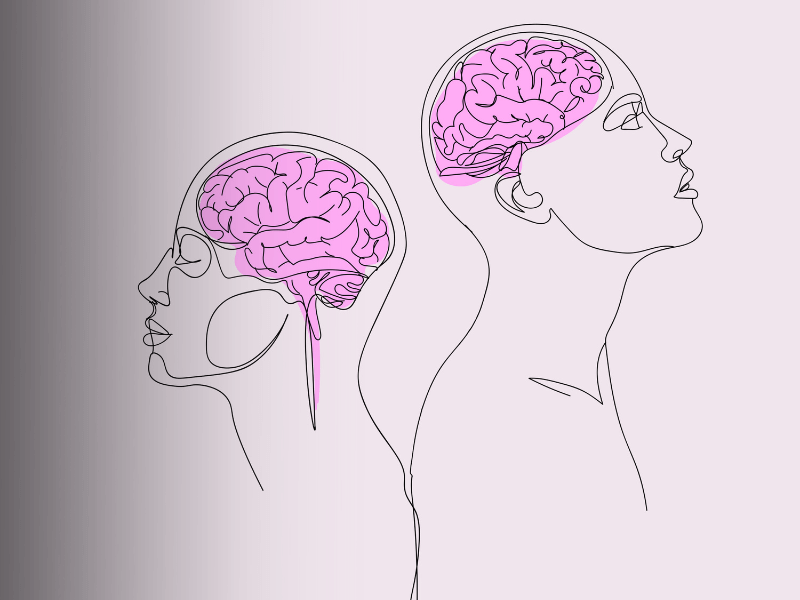
Anxiety, depression, mood swings, brain fog—many people experience these symptoms and assume they are purely psychological. While mental health conditions are complex and influenced by many factors, one crucial piece of the puzzle is often overlooked: hormones.
Hormones act as chemical messengers, coordinating communication between your brain and body. When they are balanced, your mood, energy, and emotional resilience tend to feel stable. When they are not, mental health symptoms can appear—or worsen—sometimes without an obvious trigger.
At Florida Endocrinology and Diabetes Center, we frequently see patients who struggle with anxiety or depression that doesn’t fully respond to therapy or medication, only to discover that an underlying hormonal imbalance is contributing to their symptoms. Understanding this connection is a powerful step toward effective, lasting relief.
How Hormones Influence Mental Health
Hormones regulate far more than physical growth and metabolism. They play a direct role in:
- Neurotransmitter activity (serotonin, dopamine, GABA)
- Stress response and emotional regulation
- Sleep-wake cycles
- Energy levels and motivation
- Cognitive clarity and memory
Even subtle hormonal shifts can affect how you feel emotionally—sometimes before any physical symptoms become obvious.
The Brain–Hormone Connection
Your brain and endocrine system are in constant communication through a complex feedback loop involving the hypothalamus, pituitary gland, and various hormone-producing glands throughout the body.
This system influences:
- Mood stability
- Stress tolerance
- Emotional processing
- Fear and anxiety responses
When hormonal signals are disrupted, the brain may misinterpret emotional stimuli, leading to heightened anxiety, low mood, irritability, or emotional numbness.
Thyroid Hormones and Mental Health
The thyroid gland is one of the most common—and most misunderstood—contributors to mental health symptoms.
Hypothyroidism and Depression
Low thyroid hormone levels can slow brain activity, leading to:
- Persistent fatigue
- Low motivation
- Depressed mood
- Brain fog
- Memory difficulties
Many patients with hypothyroidism report feeling emotionally “flat” or disconnected, which can mimic clinical depression.
Hyperthyroidism and Anxiety
Excess thyroid hormone overstimulates the nervous system, causing:
- Anxiety or panic attacks
- Restlessness
- Insomnia
- Irritability
- Racing thoughts
In some cases, hyperthyroidism is initially misdiagnosed as an anxiety disorder.
Cortisol: The Stress Hormone
Cortisol is essential for survival—it helps you respond to stress. But when cortisol levels are chronically elevated or suppressed, mental health can suffer.
High Cortisol (Chronic Stress)
Long-term stress can keep cortisol levels elevated, leading to:
- Anxiety and irritability
- Sleep disturbances
- Emotional burnout
- Difficulty concentrating
- Increased risk of depression
Low Cortisol
In contrast, insufficient cortisol may cause:
- Fatigue and apathy
- Low mood
- Poor stress tolerance
- Brain fog
Adrenal dysfunction is often overlooked but plays a significant role in emotional regulation.
Sex Hormones and Mood Regulation
Estrogen and Progesterone (Women)
Fluctuations in estrogen and progesterone significantly impact mood and emotional stability.
Low or imbalanced levels may contribute to:
- Anxiety
- Depression
- Irritability
- Mood swings
- Panic symptoms
These changes are especially common during:
- PMS and PMDD
- Pregnancy and postpartum
- Perimenopause and menopause
Estrogen directly affects serotonin, the “feel-good” neurotransmitter, which explains why mood changes often accompany hormonal transitions.
Testosterone (Men and Women)
Low testosterone levels may lead to:
- Depression
- Fatigue
- Reduced motivation
- Irritability
- Decreased confidence
In men, low testosterone is increasingly recognized as a contributor to mood disorders and cognitive decline.
Insulin and Blood Sugar: The Emotional Roller Coaster
Blood sugar imbalances can cause rapid mood shifts, including:
- Anxiety
- Irritability
- Confusion
- Fatigue
- Depressive symptoms
Insulin resistance and diabetes are strongly associated with higher rates of depression and anxiety. Sudden drops in blood sugar can trigger panic-like symptoms that feel emotionally overwhelming.
Hormones and Neurotransmitters
Hormones influence neurotransmitters—the chemicals that allow brain cells to communicate.
- Serotonin: Mood, sleep, emotional balance
- Dopamine: Motivation, pleasure, focus
- GABA: Calmness and anxiety control
Hormonal imbalances can disrupt these systems, making it harder for the brain to regulate emotions effectively.
Why Mental Health Symptoms Are Sometimes Missed
Many patients are told:
“Your labs are normal”
“It’s just stress”
“You need antidepressants”
While mental health medications are valuable tools, they may not fully address symptoms when hormones are part of the root cause.
Standard lab ranges don’t always capture:
- Early hormonal dysfunction
- Individual sensitivity to hormone fluctuations
- Hormone conversion issues
- Autoimmune endocrine conditions
This is where endocrinology expertise becomes essential.
Signs Your Mental Health Symptoms May Be Hormonal
You may want to explore hormonal testing if you notice:
- Mood changes alongside fatigue or weight changes
- Anxiety with palpitations or heat intolerance
- Depression that worsens during hormonal transitions
- Brain fog with normal mental health treatment
- Emotional symptoms with sleep disruption
A comprehensive evaluation can uncover imbalances that are often missed.
Comprehensive Hormonal Evaluation
At Florida Endocrinology and Diabetes Center, evaluation may include:
- Thyroid function testing (TSH, T3, T4)
- Cortisol and adrenal assessment
- Sex hormone analysis
- Blood sugar and insulin markers
- Vitamin and nutrient levels
Understanding the full hormonal picture allows for targeted, personalized care.
Treating Hormonal Imbalances to Support Mental Health
Treatment depends on the underlying cause and may include:
- Hormone replacement or regulation
- Lifestyle and nutrition guidance
- Stress management strategies
- Optimizing sleep and circadian rhythms
- Coordinated care with mental health providers
Addressing hormonal contributors often enhances the effectiveness of therapy and psychiatric treatment.
A Whole-Body Approach to Mental Well-Being
Mental health is not “all in your head.” It is deeply connected to your physiology. Hormones influence how you think, feel, react, and cope with stress.
By addressing hormonal imbalances alongside emotional health, patients often experience:
- Improved mood stability
- Reduced anxiety
- Better sleep
- Enhanced energy and focus
- Improved quality of life
Expert Endocrine Care You Can Trust
At Florida Endocrinology and Diabetes Center, we specialize in identifying and treating the hormonal factors that affect both physical and mental health. Our patient-centered approach ensures that symptoms are evaluated thoroughly—not dismissed or oversimplified.
If you’re struggling with anxiety or depression and suspect hormones may play a role, expert evaluation can provide clarity and real solutions.
Schedule a consultation today and take a comprehensive approach to your mental and hormonal health.