
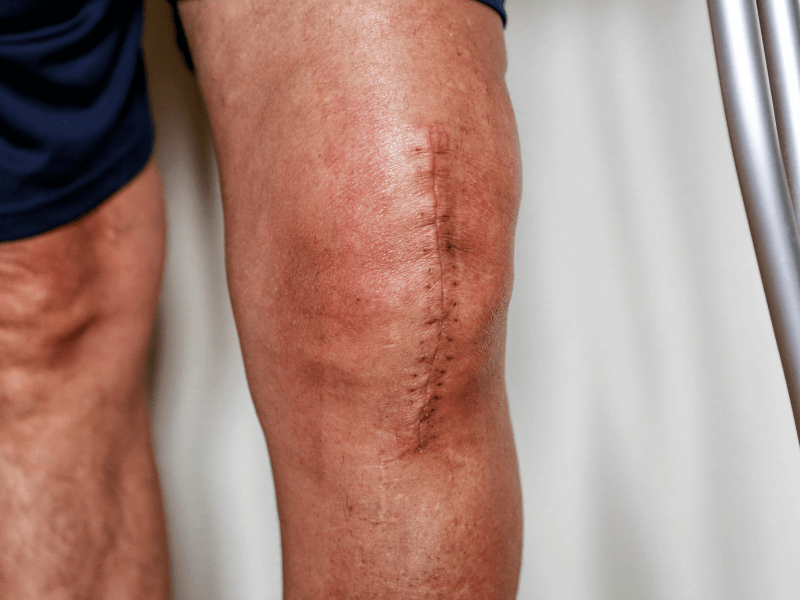
Knee replacement surgery is one of the most successful orthopedic procedures performed today, offering patients relief from chronic pain and restoring mobility. But the success of the surgery doesn’t end in the operating room—it largely depends on your commitment to rehabilitation and exercise after surgery.
At Florida Endocrinology and Diabetes Center, we understand that patients often feel both excited and anxious about recovery. The good news? With the right exercises, you can strengthen your knee, reduce stiffness, improve flexibility, and speed up your return to daily activities.
This guide covers the 10 most effective exercises after knee replacement, why they matter, and how to safely perform them for the best outcomes.
Why Exercise After Knee Replacement is Essential
After knee replacement, your muscles, ligaments, and tendons need to relearn how to support and move your new joint. Without regular rehabilitation, patients risk stiffness, swelling, and limited range of motion.
Benefits of post-surgery exercise include:
- Improved range of motion
- Reduced swelling and stiffness
- Faster return to walking and daily activities
- Stronger leg muscles for joint support
- Better balance and stability
- Lower risk of complications like blood clots
Tip: Always follow your surgeon’s or physical therapist’s recommendations. Start slow and gradually increase intensity as your body adapts.
When to Start Exercising After Knee Replacement
Most patients begin gentle exercises within 24 hours of surgery while still in the hospital. Physical therapists guide early rehabilitation, focusing on safe movements. As recovery progresses, exercises become more advanced to rebuild strength and flexibility.
10 Best Exercises for Knee Replacement Recovery
Here are the top 10 exercises recommended by orthopaedic and rehabilitation experts to maximize your recovery.
1. Ankle Pumps
Purpose: Improves circulation, reduces swelling, and prevents blood clots.
How to do it:
- Lie on your back with legs extended.
- Slowly move your foot up and down, pointing and flexing your ankle.
- Repeat 10–20 times per hour throughout the day.
2. Quadriceps Sets (Quad Contractions)
Purpose: Strengthens thigh muscles that support the knee.
How to do it:
- Sit or lie flat with your operated leg straight.
- Tighten your thigh muscle, pressing the back of your knee into the bed.
- Hold for 5 seconds, then relax.
- Repeat 10–15 times, 2–3 times daily.
3. Heel Slides
Purpose: Improves knee flexibility and bending range of motion.
How to do it:
- Lie on your back with legs straight.
- Slowly slide your heel toward your buttocks, bending your knee as much as possible.
- Hold for 5 seconds, then slide back down.
- Perform 10–15 repetitions, 2–3 times daily.
4. Straight Leg Raises
Purpose: Builds quadriceps strength without stressing the knee.
How to do it:
- Lie on your back, operated leg straight, other leg bent.
- Tighten your thigh muscle and slowly raise your leg 12–18 inches.
- Hold for 3–5 seconds, then lower slowly.
- Perform 10–15 repetitions, 2–3 times daily.
5. Knee Bends (Seated)
Purpose: Increases flexibility and helps restore knee motion.
How to do it:
- Sit in a sturdy chair.
- Bend your operated knee back as far as possible.
- Hold for 5–10 seconds, then return to starting position.
- Repeat 10–15 times, 2–3 times daily.
6. Standing Knee Bends (Assisted)
Purpose: Improves balance, flexibility, and strength.
How to do it:
- Stand with support (chair or counter).
- Slowly bend your operated knee back, lifting your foot toward your buttocks.
- Hold for 5 seconds, then lower.
- Perform 10–15 repetitions, 2–3 times daily.
7. Hamstring Curls
Purpose: Strengthens hamstrings to support walking and stair climbing.
How to do it:
- Stand behind a sturdy chair for support.
- Bend your operated leg, bringing your heel toward your buttocks.
- Hold for 5 seconds, then lower.
- Perform 10–15 repetitions, 2–3 times daily.
8. Calf Raises
Purpose: Strengthens calves and improves circulation.
How to do it:
- Stand near a wall or chair for support.
- Slowly rise onto your toes, lifting your heels off the ground.
- Hold for 3–5 seconds, then lower.
- Perform 10–15 repetitions, 2–3 times daily.
9. Step-Ups
Purpose: Builds leg strength and prepares for stair use.
How to do it:
- Use a low step or platform.
- Step up with your operated leg, then bring your other leg up.
- Step down carefully.
- Start with 5–10 repetitions, increasing as tolerated.
10. Stationary Cycling
Purpose: Improves knee mobility, cardiovascular health, and stamina.
How to do it:
- Use a stationary bike adjusted for comfort.
- Start with partial rotations if full rotations aren’t possible.
- Gradually progress to 10–15 minutes daily, increasing time as recovery improves.
Safety Tips for Exercising After Knee Replacement
- Always warm up with gentle movements.
- Avoid high-impact activities like running or jumping.
- Stop if you feel sharp pain, swelling, or instability.
- Use supportive footwear.
- Stay hydrated and follow a balanced diet to aid healing.
Timeline of Recovery Exercises
- Week 1–2: Focus on ankle pumps, quad sets, and heel slides.
- Weeks 2–6: Add straight leg raises, seated knee bends, hamstring curls.
- Weeks 6–12: Incorporate step-ups, calf raises, and stationary cycling.
- 3–6 Months: Progress to longer exercise sessions, low-impact sports like swimming or walking.
Long-Term Lifestyle for Healthy Knees
Beyond exercise, your recovery also depends on:
- Weight management – reducing stress on your new knee.
- Balanced diet rich in protein, calcium, and vitamin D.
- Blood sugar control (for diabetic patients).
- Regular follow-up appointments with your surgeon and physical therapist.
Red Flags – When to Call Your Doctor
While exercise is safe and encouraged, seek immediate medical help if you notice:
- Severe swelling or unrelenting pain
- Redness or warmth around the incision site
- Fever or chills (possible infection)
- Sudden chest pain or shortness of breath (possible blood clot)
Final Thoughts
Knee replacement surgery can restore independence and quality of life—but only if you actively participate in your recovery. These 10 exercises for knee replacement rehabilitation are designed to improve flexibility, build strength, and support long-term joint health.
At Florida Endocrinology and Diabetes Center, we guide patients not only in managing their metabolic and endocrine health but also in optimizing recovery from orthopedic surgeries like knee replacement. By combining medical expertise with rehabilitation strategies, we ensure safer, faster, and more successful outcomes.
With consistency, patience, and the right medical support, you can confidently return to walking, climbing stairs, and enjoying an active lifestyle.
Visit our website – https://tampabayendocrine.com/