
Feeling more tired than usual? Noticing reduced muscle mass, lower motivation, or changes in sexual health? Many men assume these symptoms are simply a natural part of getting older. While testosterone levels do gradually decline with age, low testosterone is not always “just aging.” In many cases, it reflects an underlying medical condition that deserves proper evaluation and treatment.
At Florida Endocrinology and Diabetes Center, we help patients distinguish between normal age-related changes and true testosterone deficiency. Understanding the difference is essential for protecting long-term health, not just quality of life.
What Is Testosterone and Why Does It Matter?
Testosterone is the primary male sex hormone, though it plays important roles in women as well. In men, testosterone is responsible for:
- Muscle mass and strength
- Bone density
- Fat distribution
- Red blood cell production
- Libido and erectile function
- Mood, motivation, and cognitive health
Testosterone levels peak in early adulthood and slowly decline thereafter. However, a gradual decline is very different from clinically low testosterone, also known as hypogonadism.
Normal Aging vs. Low Testosterone
After age 30, testosterone levels decline by about 1% per year. For many men, this decline causes little to no noticeable impact. Problems arise when levels drop below the normal range or fall rapidly.
Normal Aging
- Mild changes in energy or libido
- Maintained muscle mass with exercise
- Stable mood and cognition
Low Testosterone (Hypogonadism)
- Persistent fatigue
- Loss of muscle and increased body fat
- Reduced sex drive or erectile dysfunction
- Depression or irritability
- Brain fog or reduced focus
When symptoms are significant and persistent, it’s time to look beyond aging.
Common Symptoms of Low Testosterone
Low testosterone affects both physical and emotional health. Symptoms vary, but commonly include:
Physical Symptoms
- Decreased muscle mass and strength
- Increased abdominal fat
- Low energy or endurance
- Hot flashes or night sweats
- Reduced body hair
Sexual Symptoms
- Low libido
- Erectile dysfunction
- Reduced morning erections
- Infertility
Mental and Emotional Symptoms
- Depression or low mood
- Irritability
- Difficulty concentrating
- Reduced motivation
Because these symptoms overlap with stress, depression, and aging, testosterone deficiency is often overlooked.
What Causes Low Testosterone?
Low testosterone is not a diagnosis—it’s a sign of an underlying issue. Causes can be broadly categorized into two types.
Primary Hypogonadism: Testicular Causes
This occurs when the testes cannot produce adequate testosterone, even when stimulated by the brain.
Common causes include:
- Genetic conditions
- Testicular injury or infection
- Chemotherapy or radiation therapy
- Aging-related testicular decline
Secondary Hypogonadism: Brain or Hormonal Causes
This occurs when the hypothalamus or pituitary gland fails to signal the testes properly.
Common causes include:
- Pituitary disorders
- Chronic stress and elevated cortisol
- Obesity and insulin resistance
- Sleep apnea
- Certain medications (opioids, steroids)
Secondary hypogonadism is often reversible when the underlying cause is treated.
The Role of Lifestyle and Metabolic Health
Modern lifestyle factors play a major role in declining testosterone levels.
Obesity and Insulin Resistance
Excess fat tissue converts testosterone into estrogen, lowering available testosterone levels.
Chronic Stress
Elevated cortisol suppresses testosterone production.
Poor Sleep
Most testosterone is produced during deep sleep. Sleep deprivation significantly reduces levels.
Lack of Physical Activity
Resistance training stimulates testosterone production, while inactivity contributes to decline.
Addressing these factors is often the first step in treatment.
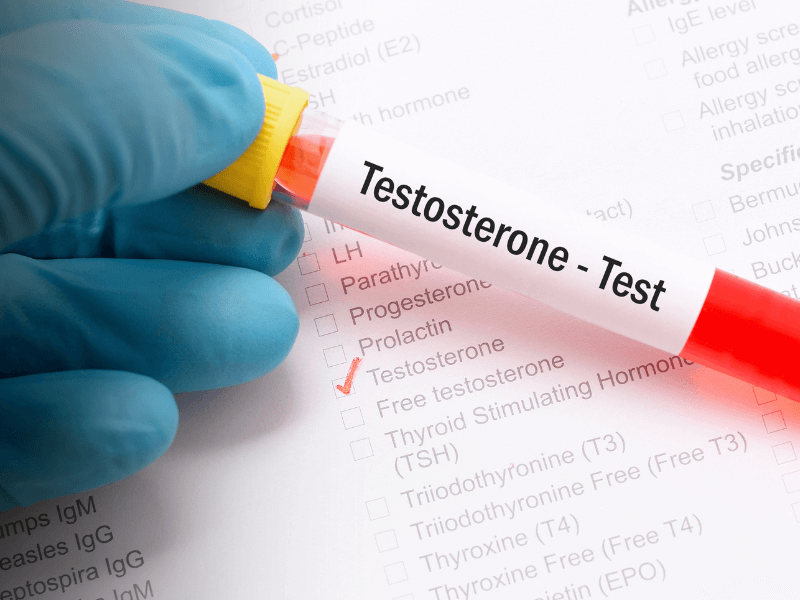
How Is Low Testosterone Diagnosed?
Diagnosis requires both symptoms and lab confirmation.
At Florida Endocrinology and Diabetes Center, evaluation typically includes:
- Early morning total testosterone levels
- Repeat testing for confirmation
- Free testosterone levels when indicated
- Evaluation of pituitary hormones
- Assessment of thyroid, adrenal, and metabolic health
Testosterone testing must be interpreted carefully—numbers alone do not tell the full story.
Is Testosterone Replacement Therapy (TRT Always the Answer?
Not always.
While testosterone replacement therapy (TRT) can be effective for some men, it is not appropriate for everyone.
When TRT May Be Appropriate
- Confirmed low testosterone on multiple tests
- Significant symptoms affecting quality of life
- No contraindications
When TRT May Not Be Appropriate
- Men planning future fertility
- Borderline low levels without symptoms
- Untreated sleep apnea
- Certain prostate conditions
TRT should never be started without a thorough endocrinology evaluation.
Risks and Misconceptions About Testosterone Therapy
Testosterone therapy is often misunderstood.
Common Myths
- “Testosterone causes prostate cancer”
- “Testosterone is only for older men”
- “Higher levels are always better”
Real Considerations
- TRT requires regular monitoring
- Over-treatment can increase cardiovascular risks
- Fertility may be suppressed
- Red blood cell levels may rise
Responsible therapy focuses on restoring physiologic—not supraphysiologic—levels.
Can Testosterone Levels Be Improved Naturally?
In some cases, yes.
Lifestyle interventions may help raise testosterone levels, especially in mild or secondary deficiency:
- Weight loss
- Strength training
- Stress management
- Improved sleep
- Treating underlying medical conditions
However, lifestyle changes alone may not be sufficient for all patients.
Why an Endocrinologist Matters
Testosterone does not operate in isolation. It interacts with:
- Thyroid hormones
- Cortisol
- Insulin
- Estrogen
At Florida Endocrinology and Diabetes Center, we evaluate the entire hormonal system, ensuring safe and effective treatment tailored to each patient.
When to Seek Medical Evaluation
Consider professional evaluation if you experience:
- Persistent fatigue or weakness
- Sexual health changes
- Mood or cognitive changes
- Unexplained weight gain
- Reduced physical performance
Early evaluation can prevent long-term complications such as osteoporosis, metabolic disease, and cardiovascular risk.
Final Thoughts: Aging Is Inevitable—Hormonal Decline Isn’t Always
While testosterone naturally declines with age, clinically low testosterone is not something men should simply accept. Many cases are treatable—and some are reversible—when properly evaluated.
Understanding the difference between normal aging and hormone deficiency empowers men to protect both their health and quality of life.
Expert Testosterone Care in Florida
At Florida Endocrinology and Diabetes Center, we provide comprehensive, evidence-based evaluation and management of testosterone disorders.
If you’re wondering whether your symptoms are “just aging” or something more, our expert team is here to help.
Schedule a consultation today and take a proactive step toward better hormonal health.