
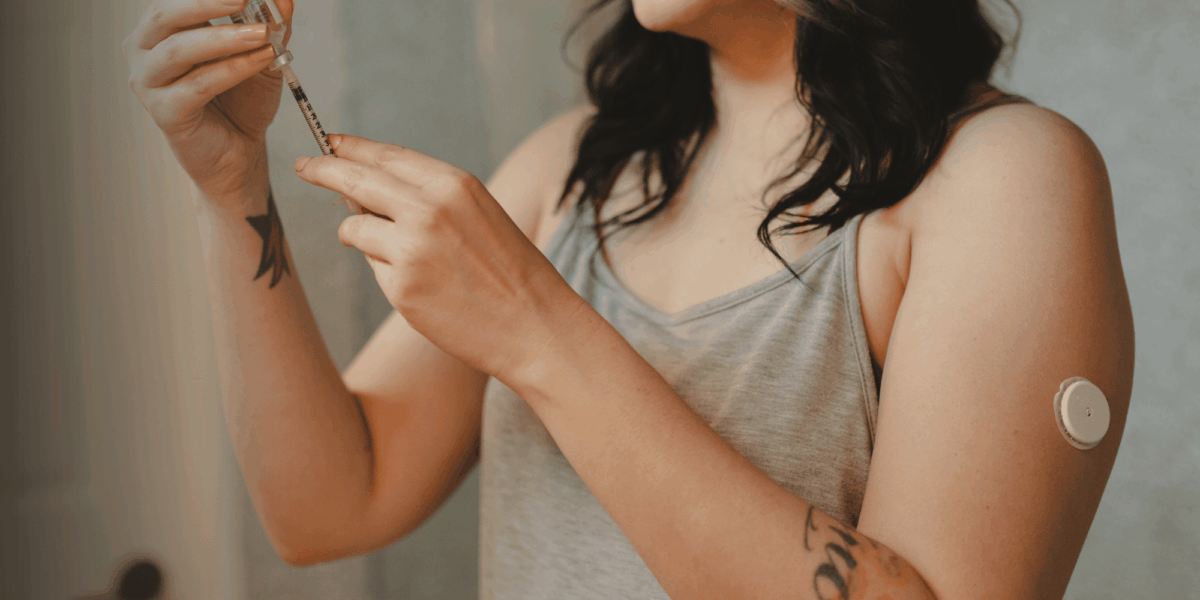
Staying Cool: The Expert Guide to Managing Insulin in the Florida Heat
Welcome back to the Florida Endocrinology & Diabetes Center blog. If you live in the Tampa Bay area or anywhere across the Sunshine State, you know that “summer” isn’t just a season—it’s a lifestyle that lasts nearly year-round. While we love our beaches and outdoor lifestyle, the Florida heat presents a unique biological challenge for those living with diabetes.
As endocrinologists, we often see a spike in “unexplained” blood sugar fluctuations during the hottest months. The culprit? It’s rarely just the food or the exercise; it’s the heat’s impact on both your body and your life-saving medication.
In this comprehensive guide, we’ll break down the science of why insulin and heat don’t mix, how to protect your supplies, and the physiological “tricks” the Florida humidity plays on your glucose levels.
1. The Vulnerability of Insulin: A Protein Problem
Insulin is a protein dissolved in a liquid. Like any protein—think of a raw egg—it can “cook” when exposed to high temperatures. Once insulin is exposed to extreme heat, the protein structure breaks down (denatures), and it loses its ability to lower your blood sugar.
The “Clear vs. Cloudy” Rule
- Clear Insulin: If your normally clear insulin looks cloudy, discolored, or has “specks” or “crystals” in it, it has likely been compromised by heat.
- Cloudy Insulin (NPH): If your naturally cloudy insulin looks “clumpy” or sticks to the side of the glass, it is no longer safe to use.
Expert Warning: Even if the insulin looks normal, it may have lost its potency. If you are following your usual routine but your blood sugars are staying stubbornly high, your insulin may have “spoiled” in the heat.
2. Storage Strategies for the Sunshine State
In Florida, the temperature inside a parked car can reach 140°F (60°C) in minutes. Never, under any circumstances, leave your insulin or your glucose monitor in a car.
Proper Temperature Ranges
To keep your insulin effective, follow these gold-standard storage rules:
- Unopened Vials/Pens: Keep in the refrigerator at 36°F to 46°F.
- In-Use Vials/Pens: Can be kept at room temperature (up to 77°F to 86°F) for 28–42 days, depending on the brand.
The “Cooler” Lifestyle
If you’re heading to Clearwater Beach or spending the day at a theme park, you need a cooling plan:
- Frio Wallets: These use evaporative cooling and are highly recommended by our staff. They don’t require ice packs, which is a plus because freezing insulin is just as bad as overheating it.
- Insulated Bags: If using an ice pack, wrap your insulin in a hand towel so it doesn’t make direct contact with the ice.
- Keep it in the Shade: Even inside a cooler bag, keep your supplies under an umbrella or in a shaded spot.
3. How the Florida Heat Affects Your Physiology
It isn’t just the medication that reacts to the sun; your body does, too. High temperatures can cause blood sugar levels to swing in both directions.
Why You Might Go Low (Hypoglycemia)
Heat causes vasodilation—your blood vessels expand to help your body cool down. This increased blood flow can cause insulin to be absorbed faster than usual. If you are walking around a hot outdoor festival, your insulin might “kick in” more aggressively, leading to a sudden drop in blood sugar.
Why You Might Go High (Hyperglycemia)
Conversely, heat is a physical stressor. Stress triggers the release of cortisol and adrenaline, hormones that tell your liver to release more glucose into the bloodstream. Furthermore, dehydration is a major factor in Florida. When you are dehydrated, the glucose in your blood becomes more concentrated, leading to higher readings.
4. Protecting Your Technology: Pumps and CGMs
If you use a Continuous Glucose Monitor (CGM) or an Insulin Pump, the Florida humidity is your greatest adversary.
- Adhesive Failure: Sweating can cause your sensors and infusion sets to peel off. We recommend using medical-grade adhesive wipes (like Skin-Tac) or waterproof “over-patches” designed for athletes.
- Pump Site “Cook-off”: Remember that the insulin in your pump tubing is exposed to the ambient air. On a 95°F day in Tampa, that insulin is essentially sitting in a hot pipe. If you are outdoors for several hours, you may need to change your infusion set more frequently.
- Sunburn Risk: A bad sunburn is a physical trauma. It causes inflammation and stress, which can lead to days of insulin resistance and high blood sugars. Always apply sunscreen around your device sites.
5. Your “Florida Heat” Checklist
To stay safe while enjoying our beautiful state, follow this protocol from the experts at Florida Endocrinology & Diabetes Center:
- Hydrate with Electrolytes: Water is essential, but if you are sweating heavily, you need electrolytes. Opt for sugar-free electrolyte tabs or drinks to avoid spikes.
- Test More Often: High heat can make you feel “wiped out,” which feels remarkably similar to a low blood sugar. Don’t guess—check your CGM or meter.
- The “Spare” Plan: Always carry a backup insulin pen or vial in a separate cooling case. If your pump site fails or your primary insulin gets too hot, you won’t be caught in an emergency.
- Check Your Meter: Most glucose meters have an operating temperature limit. If the screen shows a “Temp” error, move to a cool area and wait for the device to stabilize before testing.
The Bottom Line
Living in Florida with diabetes requires a bit of extra strategy, but it shouldn’t stop you from living an active life. By treating your insulin like a delicate asset and staying ahead of dehydration, you can master the “Metabolic Summer.”
If you’ve noticed that your blood sugar management changes significantly with the weather, it might be time for a seasonal adjustment of your insulin-to-carb ratios or basal rates.
At Florida Endocrinology & Diabetes Center, we specialize in tailoring your treatment to your environment. Don’t let the heat dictate your health—let’s work together to keep you cool, hydrated, and in range.