
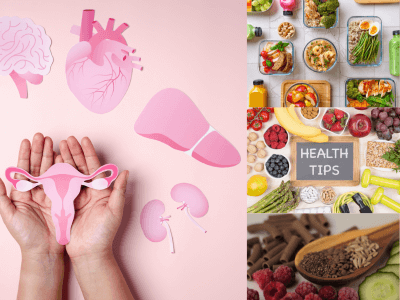
Polycystic Ovary Syndrome (PCOS) is one of the most common hormonal disorders affecting women, particularly during their reproductive years. It can impact everything from menstrual regularity and skin health to weight gain and fertility. While medications and medical interventions play a role, one of the most powerful tools for managing PCOS is your diet.
At Florida Endocrinology and Diabetes Center, we help women throughout the St. Petersburg and Tampa Bay area develop evidence-based, personalized PCOS diet plans to restore hormonal balance, promote fertility, and support long-term health.
In this comprehensive guide, we’ll share expert PCOS diet tips that are easy to follow, science-backed, and tailored to improve insulin sensitivity, reduce inflammation, and enhance fertility outcomes.
Why Diet Matters for PCOS
PCOS is often associated with:
- Insulin resistance
- Chronic low-grade inflammation
- Hormonal imbalances (elevated androgens, disrupted estrogen/progesterone ratios)
- Weight gain, particularly around the abdomen
- Irregular ovulation or anovulation
Because insulin and blood sugar play such a major role in PCOS, dietary choices directly affect symptoms and fertility. A balanced, anti-inflammatory, low-glycemic diet can:
- Promote regular ovulation
- Support weight loss and metabolic health
- Improve insulin sensitivity
- Lower androgen levels (reducing acne, hair growth)
- Increase the chances of natural conception
Key Principles of a PCOS-Friendly Diet
1. Focus on Low-Glycemic Index (GI) Carbohydrates
The glycemic index measures how quickly a food raises your blood sugar. High-GI foods spike insulin and worsen PCOS symptoms.
✅ Choose:
- Sweet potatoes
- Quinoa
- Brown rice
- Lentils and legumes
- Whole oats
- Non-starchy vegetables
🚫 Avoid:
- White bread
- Sugary cereals
- White rice
- Pastries, cookies, soda
- Processed snacks
Expert Tip: Pair carbs with fiber, protein, or fat to slow glucose absorption.
2. Prioritize Lean Protein
Protein supports blood sugar control and keeps you full longer. It’s also essential for building lean muscle and regulating hormones.
✅ Best protein sources for PCOS:
- Eggs
- Chicken and turkey breast
- Wild-caught salmon
- Greek yogurt (unsweetened)
- Tofu and tempeh
- Lentils, chickpeas, and beans
Expert Tip: Aim for at least 20–30 grams of protein per meal.
3. Add Healthy Fats
Contrary to popular belief, fats don’t make you fat—unhealthy fats do. Healthy fats can improve insulin sensitivity and reduce inflammation.
✅ Include:
- Avocados
- Extra virgin olive oil
- Fatty fish (salmon, sardines, mackerel)
- Nuts and seeds (chia, flax, almonds)
- Nut butters (in moderation)
🚫 Limit:
- Hydrogenated oils
- Fried foods
- Trans fats found in packaged baked goods
Expert Tip: Omega-3s (found in fish and flaxseed) are especially beneficial for women with PCOS.
4. Embrace Anti-Inflammatory Foods
Chronic inflammation is common in PCOS and contributes to insulin resistance, weight gain, and infertility.
✅ Eat more of:
- Leafy greens (spinach, kale)
- Berries (blueberries, strawberries)
- Turmeric and ginger
- Tomatoes
- Green tea
- Extra virgin olive oil
Expert Tip: Limit processed foods, sugar, and refined flour, which promote inflammation.
5. Watch Portion Sizes and Eat Regularly
Stabilizing blood sugar throughout the day helps reduce PCOS-related symptoms like cravings, fatigue, and hormone imbalance.
✅ Healthy eating habits:
- Eat every 3–5 hours
- Don’t skip breakfast
- Include a protein-rich snack in the afternoon
- Practice mindful eating (avoid distracted or emotional eating)
Expert Tip: Start meals with fiber (vegetables) to slow digestion and promote fullness.
Fertility Challenges with PCOS: Local IVF & IUI
Specific PCOS Diet Tips for Fertility
If you’re trying to conceive with PCOS, your diet plays a critical role in optimizing ovulation and preparing the body for a healthy pregnancy.
1. Get Enough Folate and B-Vitamins
Folate is vital for early pregnancy health and egg quality.
✅ Foods high in folate:
- Leafy greens
- Avocados
- Asparagus
- Lentils
- Fortified whole grains
Supplement Tip: Many women with PCOS benefit from a prenatal vitamin with methylated folate and activated B12 for better absorption.
2. Optimize Vitamin D and Iron Levels
PCOS is often linked to vitamin D deficiency, which can impair fertility and hormone regulation.
✅ Food sources:
- Egg yolks
- Fatty fish
- Fortified dairy alternatives
Sunlight is another important source—just 15–30 minutes per day can help.
Iron supports ovulation and egg health. Include:
- Spinach
- Red meat (in moderation)
- Lentils
- Pumpkin seeds
3. Reduce Dairy and Gluten (If Sensitive)
Some women with PCOS report improvements in symptoms like acne, bloating, and irregular cycles after reducing:
- Dairy: May increase insulin-like growth factor (IGF-1) and worsen hormonal acne
- Gluten: May contribute to inflammation in sensitive individuals
Note: Not every woman needs to go dairy- or gluten-free. Elimination diets should be guided by a healthcare provider.
4. Limit Sugar and Artificial Sweeteners
Sugar spikes insulin, promotes fat storage, and worsens inflammation. Artificial sweeteners can still trigger insulin in some women.
🚫 Avoid:
- Soda and juices
- Sweetened yogurts
- Baked goods and candies
- Diet sodas with aspartame or sucralose
✅ Choose:
- Whole fruits
- Stevia or monk fruit (in moderation)
5. Consider Inositol Supplements
Myo-inositol and D-chiro-inositol are supplements that mimic insulin, improve ovulation, and enhance egg quality.
Clinical studies show that inositol can:
- Restore regular cycles
- Improve insulin sensitivity
- Support natural ovulation
- Increase IVF success rates
Ask our endocrinology team if inositol is right for you.
Comparing IVF and IUI for PCOS: What Works Best in St Petersburg
Sample 1-Day PCOS Meal Plan
Here’s a PCOS-friendly daily meal plan focused on fertility and hormone balance:
🌅 Breakfast:
- Veggie omelet (spinach, mushrooms, tomatoes)
- 1 slice sprouted grain toast
- Green tea or lemon water
🥗 Lunch:
- Grilled salmon or tofu
- Quinoa + mixed greens + avocado
- Olive oil & lemon dressing
☕ Snack:
- Greek yogurt with chia seeds and berries
- Handful of almonds
🌇 Dinner:
- Grilled chicken or tempeh stir-fry
- Brown rice or cauliflower rice
- Steamed broccoli and zucchini
🍫 Dessert (Optional):
- 1 square of 80% dark chocolate
- Herbal tea (peppermint or ginger)
Foods to Avoid with PCOS
To reduce inflammation, control insulin, and support hormone balance, minimize:
🚫 Processed foods: packaged snacks, instant noodles, fast food
🚫 Refined carbs: white bread, white pasta, sugary breakfast cereals
🚫 Sugary drinks: soda, energy drinks, sweetened lattes
🚫 Excess alcohol: disrupts hormones and impairs liver detoxification
🚫 Excess caffeine: may affect cortisol and hormone balance
Best Supplements for PCOS Support (with Medical Guidance)
- Inositol (Myo and D-Chiro) – improves ovulation
- Vitamin D3 – supports insulin and fertility
- Omega-3 fatty acids – reduce inflammation and balance hormones
- Magnesium – improves insulin sensitivity
- Zinc – helps regulate menstrual cycles
- Berberine – natural alternative to metformin (only under supervision)
Always consult your endocrinologist before starting new supplements.
Florida Endocrinology’s Holistic Approach to PCOS Nutrition
At our St. Petersburg and Tampa Bay clinics, we offer:
- Personalized diet plans based on labs and symptoms
- Nutrition counseling with registered dietitians
- Hormonal optimization (thyroid, androgens, insulin)
- PCOS-focused weight loss programs
- Preconception and fertility nutrition
We believe food is medicine—and that sustainable, realistic dietary changes are the key to lasting health improvements.
Conclusion
A well-designed PCOS diet can improve every aspect of health—from menstrual regularity and skin clarity to weight management and fertility. The best part? These changes don’t require perfection—just consistency and support.
If you’re struggling with PCOS symptoms or trying to get pregnant, know that you’re not alone—and help is available.
Next Steps: Book Your PCOS Nutrition Consultation Today
📍 Visit Florida Endocrinology and Diabetes Center in St. Petersburg
📞 Schedule your appointment to:
- Get a personalized PCOS meal plan
- Improve fertility naturally
- Receive hormone testing and supplement guidance
- Start your journey to balance and better health
Your hormones, your future, your health—let’s take control together.