
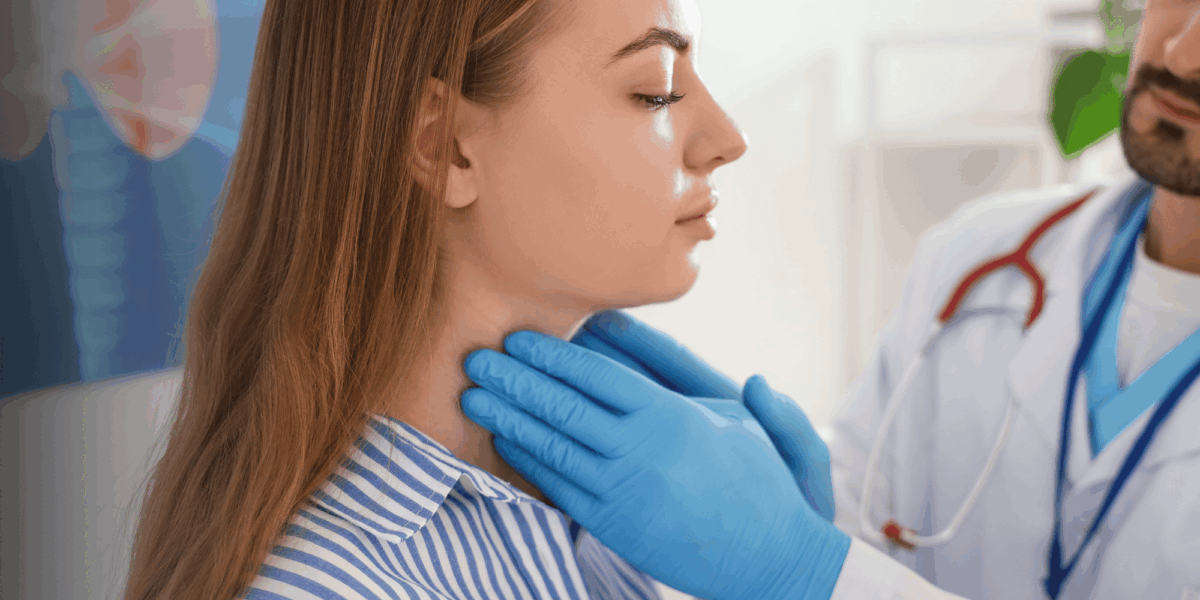
The Fourth Trimester & Your Thyroid: A Guide for St. Petersburg Moms
Welcome to the Florida Endocrinology & Diabetes Center blog. If you’ve recently welcomed a new addition to your family here in beautiful St. Petersburg, congratulations! The “fourth trimester” is a time of incredible joy, but it is also a period of profound physiological shifting.
Many new mothers find themselves struggling with extreme exhaustion, mood swings, or trouble losing “baby weight,” only to be told, “That’s just life with a newborn.” While motherhood is indeed tiring, these symptoms are often the first signs of Postpartum Thyroiditis.
As specialists serving the St. Pete and greater Pinellas County area, we believe no mother should have to guess about her health. Today, we’re diving deep into postpartum thyroid issues and the local resources available to help you thrive.
What is Postpartum Thyroiditis?
Postpartum Thyroiditis is an inflammation of the thyroid gland that occurs within the first year after delivery. It affects approximately 5% to 10% of women.
Think of your immune system during pregnancy as being in a state of “peaceful coexistence” to protect the baby. After delivery, the immune system “wakes up” and can sometimes overreact, attacking the thyroid gland. This typically follows a two-phase pattern:
Phase 1: The Hyperthyroid Phase (1–4 months postpartum)
The inflamed thyroid leaks excess hormone into the blood. You might feel “wired but tired,” experience heart palpitations, anxiety, or unexplained weight loss. Because these mimic “new mom jitters,” they are often missed.
Phase 2: The Hypothyroid Phase (4–8 months postpartum)
Once the excess hormone is depleted, the thyroid becomes underactive. This is when the heavy fatigue, “baby blues,” dry skin, and constipation set in.
Risk Factors: Who Should Be Screened?
While any new mom can develop thyroid issues, you are at a higher risk if you have:
- A history of Type 1 Diabetes: There is a significant link between these two autoimmune conditions.
- Positive Thyroid Antibodies ($TPO$): Even if your levels were normal before pregnancy.
- A personal or family history of thyroid dysfunction.
- Previous Postpartum Thyroiditis: There is a 70% chance of recurrence with subsequent pregnancies.
Navigating Care in St. Petersburg: Your Local Resources
St. Petersburg offers a wealth of support, but knowing where to turn for medical versus lifestyle support is key.
Medical Expertise at Florida Endocrinology & Diabetes Center
Our clinic provides specialized postpartum screenings. We don’t just look at a standard TSH; we perform a comprehensive panel including Free T4 and TPO antibodies to see if your immune system is the culprit. For moms in the St. Pete area, we offer flexible scheduling because we know how hard it is to coordinate around nap times.
Supporting Your Mental Health
Postpartum thyroid issues are a leading “organic” cause of Postpartum Depression (PPD). In St. Petersburg, organizations like Healthy Start Pinellas and local support groups at St. Anthony’s Hospital or Bayfront Health provide excellent peer support. If you feel “off,” it is vital to check your labs alongside speaking with a counselor.
Nutrition and Recovery
St. Pete is home to fantastic farmers’ markets (like the Saturday Morning Market) where you can find iodine-rich foods and selenium-packed snacks (like Brazil nuts) to support thyroid recovery.
Breastfeeding and Thyroid Medication
One of the most common questions we hear in our St. Petersburg office is: “Is it safe to take thyroid medication while breastfeeding?”
The answer is a resounding yes.
- Levothyroxine ($T_4$): Very little passes into breast milk, and it is considered safe for the baby.
- Propranolol: Often used for the “hyper” phase to manage heart rate; it is also generally compatible with breastfeeding at low doses.
Maintaining healthy thyroid levels is actually essential for milk supply. Hypothyroidism is a frequent, undiagnosed cause of low milk production. If you are struggling to produce enough milk despite proper latch and frequency, your thyroid might be the missing piece of the puzzle.
The “Florida Lifestyle” Recovery Plan
Recovering your thyroid health in the Pinellas sunshine can be an advantage if done correctly:
- Gentle Movement: Avoid high-intensity interval training if you are in the “hyper” phase, as it can strain your heart. Instead, take a gentle stroll along North Straub Park or the St. Pete Pier.
- Vitamin D: We live in the Sunshine City! Moderate sun exposure helps regulate the immune system, but remember that postpartum skin is sensitive to melasma (dark spots).
- Iodine Awareness: Ensure your prenatal vitamin still contains iodine if you are breastfeeding, as your body’s demand remains high.
Is it Permanent?
The good news for St. Pete moms is that for 80% of women, thyroid function returns to normal within 12 to 18 months. However, the remaining 20% may develop permanent hypothyroidism.
This is why “watchful waiting” isn’t enough. Regular monitoring every 4–8 weeks during the first year is the standard of care at our center. We want to ensure that if your thyroid doesn’t “bounce back,” we catch it before it impacts your quality of life.
A Note from Our Specialists
The transition into motherhood is one of the most demanding tasks a human body can perform. In the hustle of diaper changes and sleepless nights, your health often takes a backseat.
At Florida Endocrinology & Diabetes Center, we want to be your partners in postpartum wellness. If you are in St. Petersburg and you feel like the “fog” just won’t lift, listen to your intuition. It might not just be “new mom exhaustion”—it might be your thyroid asking for help.
Ready to reclaim your energy? Call our office today to schedule a postpartum thyroid evaluation. Let’s make sure you have the vitality you need to enjoy every moment with your new little one.
Disclaimer: This blog post is intended for educational purposes and is not a substitute for professional medical advice, diagnosis, or treatment.