
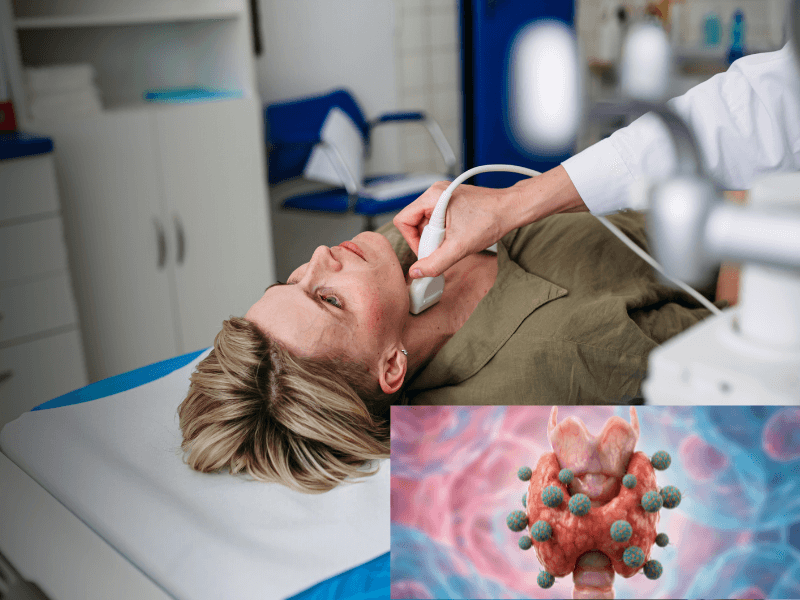
Discovering that you have a thyroid nodule can feel alarming. Many patients immediately worry about thyroid cancer or serious disease. However, thyroid nodules are extremely common, and the majority are benign (non-cancerous). Still, understanding when nodules require monitoring, further testing, or treatment is essential for protecting your long-term health.
At Florida Endocrinology and Diabetes Center, we evaluate thyroid nodules using advanced diagnostic tools and evidence-based guidelines to determine which nodules are harmless and which require closer attention. This guide will help you understand what thyroid nodules are, why they occur, and when they may be a cause for concern.
What Are Thyroid Nodules?
Thyroid nodules are lumps or growths that form within the thyroid gland. The thyroid sits at the front of your neck and produces hormones that regulate metabolism, heart rate, body temperature, and energy levels.
Nodules can be:
- Solid
- Fluid-filled (cysts)
- A combination of both
Some nodules are small and go unnoticed, while others may grow large enough to be felt or seen.
How Common Are Thyroid Nodules?
Thyroid nodules are very common, especially as people age. Studies show that:
- Up to 50% of adults may develop thyroid nodules detectable by ultrasound.
- Women develop nodules more frequently than men.
- Most nodules are benign and do not cause symptoms.
Despite their frequency, every nodule should be evaluated carefully to rule out serious conditions.
What Causes Thyroid Nodules?
Several factors can contribute to thyroid nodule development:
Iodine Deficiency
Although less common in the United States, iodine deficiency remains a global cause of thyroid enlargement and nodules.
Overgrowth of Thyroid Tissue
Sometimes thyroid cells multiply abnormally, forming benign nodules called adenomas.
Thyroid Cysts
Fluid-filled nodules often form due to degeneration of thyroid tissue.
Autoimmune Thyroid Disease
Conditions such as Hashimoto’s thyroiditis can cause inflammation that leads to nodule formation.
Thyroid Cancer
While uncommon, some nodules may represent malignant growths, which is why proper evaluation is essential.
Symptoms of Thyroid Nodules
Most thyroid nodules do not cause noticeable symptoms and are discovered during routine physical exams or imaging tests for unrelated issues.
However, larger nodules may cause:
- A visible lump in the neck
- Difficulty swallowing
- Sensation of pressure in the throat
- Hoarseness or voice changes
- Breathing difficulty (in rare cases)
Some nodules also produce excess thyroid hormone, leading to hyperthyroidism symptoms such as:
- Rapid heartbeat
- Anxiety
- Weight loss
- Heat intolerance
When Should You Be Worried About a Thyroid Nodule?
While most thyroid nodules are harmless, certain features increase concern and require prompt evaluation.
Rapid Growth
Nodules that grow quickly over weeks or months may need urgent investigation.
Persistent Hoarseness or Voice Changes
Changes in voice can sometimes indicate nerve involvement and should not be ignored.
Difficulty Swallowing or Breathing
Compression symptoms suggest that a nodule may be affecting surrounding structures.
Family History of Thyroid Cancer
Genetic factors can increase cancer risk.
History of Radiation Exposure
Radiation to the head or neck, especially during childhood, raises the likelihood of thyroid malignancy.
Enlarged Lymph Nodes
Swelling in nearby lymph nodes may signal a more serious condition.
If you experience any of these symptoms, early endocrinology evaluation is strongly recommended.
How Thyroid Nodules Are Evaluated
Physical Examination
Your endocrinologist will assess the size, texture, and mobility of the nodule during a neck examination.
Blood Tests
Thyroid function tests help determine whether the thyroid is producing too much or too little hormone. These typically include:
- TSH
- T3
- T4
Although blood tests do not diagnose cancer, they provide important functional information.
Thyroid Ultrasound: The First Imaging Test
Ultrasound is the most important diagnostic tool for thyroid nodules. It helps evaluate:
- Nodule size
- Shape and structure
- Presence of calcifications
- Blood flow patterns
- Suspicious features suggesting malignancy
Ultrasound findings help determine whether further testing is needed.
Fine Needle Aspiration (FNA) Biopsy
If a nodule appears suspicious or reaches a certain size, your endocrinologist may recommend an FNA biopsy.
During this procedure:
- A thin needle removes a small sample of thyroid cells
- The sample is examined under a microscope
- The procedure is quick and minimally invasive
FNA biopsy is highly accurate and helps distinguish benign nodules from cancerous ones.
What Percentage of Thyroid Nodules Are Cancerous?
Fortunately, thyroid cancer is relatively rare. Research shows that:
- About 90–95% of thyroid nodules are benign
- Most thyroid cancers grow slowly and are highly treatable
Early detection plays a key role in achieving excellent outcomes.
Monitoring Benign Thyroid Nodules
Many nodules do not require immediate treatment. Instead, they are monitored through:
- Periodic ultrasound imaging
- Routine thyroid function testing
- Symptom tracking
Stable nodules often remain harmless for many years.
Treatment Options for Thyroid Nodules
Treatment depends on the size, symptoms, and biopsy results.
Observation
Small, benign nodules without symptoms often require only routine monitoring.
Medication
If nodules are associated with thyroid hormone imbalance, medication may help regulate thyroid function.
Radioactive Iodine Therapy
Used in certain cases when nodules produce excess thyroid hormone.
Surgery
Surgical removal may be recommended if:
- Cancer is suspected or confirmed
- Nodules cause breathing or swallowing problems
- Nodules grow significantly over time
- Cosmetic concerns arise due to visible enlargement
Your endocrinologist will help determine the safest and most effective approach.
Risk Factors for Thyroid Nodules
You may have a higher likelihood of developing nodules if you:
- Are female
- Are over age 40
- Have a family history of thyroid disease
- Have autoimmune thyroid conditions
- Have been exposed to radiation
Regular thyroid screening may be beneficial for high-risk individuals.
Can Thyroid Nodules Be Prevented?
While nodules cannot always be prevented, certain lifestyle practices support thyroid health:
- Maintaining adequate iodine intake
- Managing autoimmune conditions
- Scheduling routine medical checkups
- Reporting new neck lumps promptly
Early evaluation helps detect nodules before complications develop.
When to See an Endocrinologist
You should consider specialist care if:
- A thyroid nodule is detected on imaging
- You notice a new neck lump
- You experience swallowing or breathing difficulty
- Thyroid blood tests are abnormal
- You have a personal or family history of thyroid disease
Endocrinologists have specialized training in thyroid disorders and can provide comprehensive evaluation and management.
Expert Thyroid Care at Florida Endocrinology and Diabetes Center
At Florida Endocrinology and Diabetes Center, our team uses advanced diagnostic techniques and individualized treatment planning to ensure every thyroid nodule is evaluated thoroughly and safely.
We understand that thyroid concerns can cause significant anxiety. Our goal is to provide clear answers, accurate diagnosis, and compassionate care tailored to each patient’s needs.
If you have been diagnosed with a thyroid nodule or are experiencing symptoms, early evaluation can provide peace of mind and protect your long-term health.
Schedule a consultation today to receive expert thyroid care you can trust.