
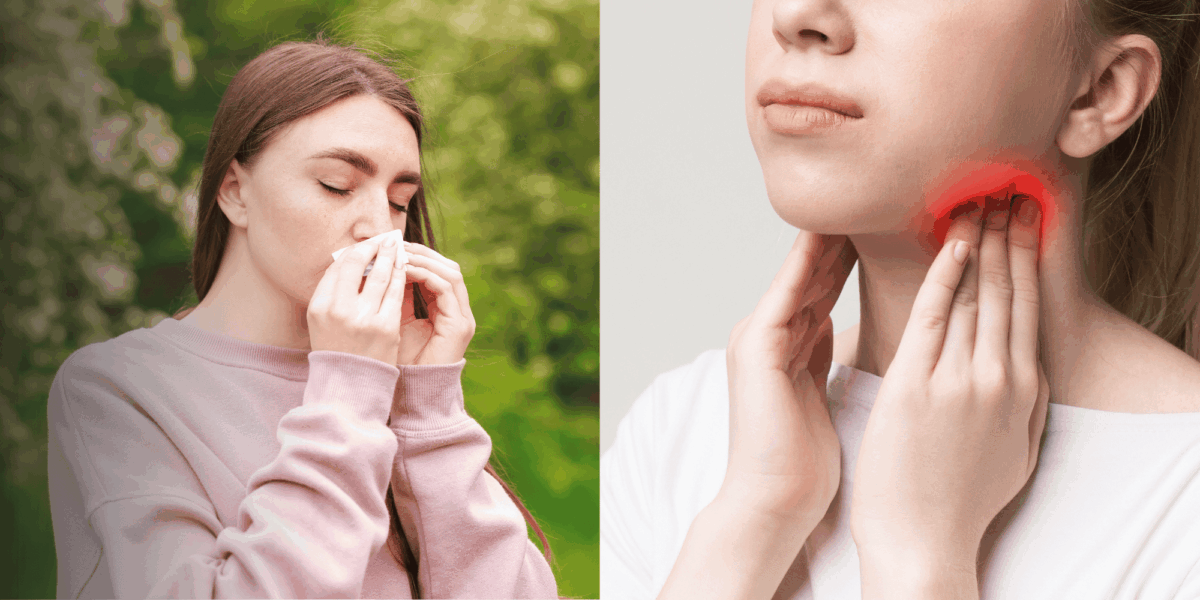
Welcome to the Florida Endocrinology & Diabetes Center blog. If you live in Florida, you know that “pollen season” isn’t just a few weeks in the spring—it is a year-round rotation of oak, pine, grass, and ragweed. For many of our patients, the itchy eyes and sneezing are expected. What isn’t expected is why their thyroid symptoms seem to flare up at the exact same time.
As experts in endocrine health, we often see patients who feel like their thyroid medication has stopped working during peak allergy seasons. Today, we’re peeling back the layers on the relationship between your immune system, your allergies, and your thyroid gland.
The “Immune Overload” Effect
To understand the connection, we have to look at the thyroid—specifically Hashimoto’s Thyroiditis and Graves’ Disease. These are not just thyroid conditions; they are autoimmune conditions.
When you have an autoimmune thyroid disorder, your immune system is already “on edge,” mistakenly attacking your thyroid tissue. When seasonal allergens enter the picture, your immune system shifts into overdrive.
The Th1 and Th2 Balance
Our immune systems operate on a delicate balance between different types of helper T-cells:
- Th1 cells are the “soldiers” that attack viruses and bacteria.
- Th2 cells are responsible for the allergic response (IgE).
In many patients with Hashimoto’s, the immune system is skewed toward one side. When pollen hits, the surge in Th2 activity can create an “immune storm” that exacerbates the underlying attack on your thyroid. This is why you might feel extra fatigued, experience more “brain fog,” or feel neck pressure when the pollen counts are high.
Can Allergies Mimic Thyroid Symptoms?
One of the greatest challenges for patients in the Tampa metro area is distinguishing between an allergy flare and a thyroid imbalance. Because the symptoms overlap significantly, it’s easy to misattribute how you feel.
Symptom | Is it Allergies? | Is it Thyroid (Hypo)? |
Fatigue | Yes (due to immune exertion) | Yes (due to slow metabolism) |
Puffy Eyes | Yes (allergic shiners) | Yes (myxedema) |
Brain Fog | Yes (histamine impact) | Yes (neuro-metabolic slowing) |
Sore Throat | Yes (post-nasal drip) | Yes (thyroid inflammation) |
If you find yourself reaching for an extra dose of thyroid medication because you feel “sluggish” during allergy season, stop. Taking extra hormone without a blood test can lead to heart palpitations and anxiety, especially if the root cause is actually an allergic inflammatory response.
The Hidden Danger: Medication Interactions
This is perhaps the most critical information for our Florida patients. The way you treat your allergies can directly impact how your body processes thyroid hormone.
1. Pseudoephedrine and Hyperthyroidism
Many over-the-counter (OTC) allergy “D” formulas (like Sudafed) contain stimulants. If you have Graves’ Disease or are on a slightly high dose of Levothyroxine, these stimulants can dangerously skyrocket your heart rate and blood pressure.
2. Antihistamines and “The Fog”
While antihistamines are a lifesaver for sneezing, they can worsen the “brain fog” often associated with hypothyroidism. If you already feel metabolically slow, certain older antihistamines can make you feel like you’re moving through molasses.
3. Steroid Nasal Sprays
While generally safe, long-term or high-dose use of steroid nasal sprays can occasionally interfere with the HPA axis (Hypothalamus-Pituitary-
Managing the “Double Flare”: A Florida Game Plan
At Florida Endocrinology & Diabetes Center, we recommend a proactive approach to surviving the overlap of allergy season and thyroid management:
1. Timing is Everything
If you take Levothyroxine or Synthroid, you must take it on an empty stomach, at least 30–60 minutes before anything else. This includes your allergy pills! Many patients make the mistake of swallowing their thyroid pill with their Claritin or Zyrtec. Some antihistamines contain binders that can interfere with the absorption of your thyroid hormone.
2. Monitor Your “Thyroid Neck”
Inflammation is systemic. During high pollen days, you may notice your “goiter” or thyroid nodules feel more prominent. This is often due to lymph node swelling in the neck combined with increased blood flow to the area. If you notice a sudden change in swallowing or a visible lump, schedule an ultrasound at our clinic immediately.
3. The “Anti-Inflammatory” Lifestyle
Since both allergies and Hashimoto’s are inflammatory, doubling down on an anti-inflammatory diet during Florida’s oak season can help.
- Increase Selenium: Found in Brazil nuts, selenium supports thyroid health and may dampen autoimmune markers.
- Hydrate: Thinning out mucus from allergies helps prevent the secondary infections that can stress the thyroid.
When to See Your Specialist
If your “seasonal allergies” last longer than six weeks, or if you are experiencing significant weight changes, hair loss, or heart palpitations alongside your sneezing, it’s time for a lab panel.
We recommend checking your TSH, Free T4, and TPO Antibodies during a seasonal shift. It is common for us to need to “tweak” a dosage as the seasons change and your activity levels or immune stressors fluctuate.
Final Thoughts
Living in Florida means embracing the outdoors, but it shouldn’t mean suffering through a double-hit to your health. By understanding the link between your immune system’s reaction to pollen and your thyroid’s metabolic role, you can stay ahead of the curve.
Are you feeling the seasonal slump? Don’t wait for the pollen to settle. Contact the Florida Endocrinology & Diabetes Center today for a comprehensive evaluation of your thyroid health. We’re here to help you breathe easier and feel better.
Deep Dive: Advanced Strategies for the Allergy-Thyroid Connection
To truly master the intersection of respiratory health and endocrine function, we need to look beyond the basic symptoms. In this expanded section, we explore the roles of gut health, environmental triggers specific to the Tampa Bay area, and the “Histamine-Thyroid Loop.”
The Histamine-Thyroid Loop: A Two-Way Street
Most people view allergies as a one-sided nuisance, but for thyroid patients, it’s often a feedback loop. Histamine, the chemical your body releases during an allergic reaction, can actually stimulate the production of thyroid hormones.
Conversely, having low thyroid levels (hypothyroidism) can lead to an increase in mast cell activation. Mast cells are the “storage tanks” for histamine. When your metabolism is slow, your body may become less efficient at breaking down histamine via the DAO enzyme.
The Result: You don’t just have allergies; you have hyper-sensitive allergies because your thyroid isn’t providing the metabolic support needed to clear those chemicals from your system. This is why many of our patients at Florida Endocrinology & Diabetes Center report that their allergy symptoms significantly improve once their TSH levels are stabilized.
The Role of Gut Health (The “Leaky Gut” Connection)
Since approximately 70-80% of the immune system resides in the gut, it is the primary battlefield for both allergies and autoimmune thyroid disease.
In Florida, we are often exposed to mold and high humidity, which can stress the gut microbiome. If the intestinal lining becomes permeable (often called “Leaky Gut”), undigested food particles and environmental toxins can enter the bloodstream. This triggers a systemic inflammatory response that:
- Exacerbates Seasonal Allergies: Making your body react violently to even small amounts of pollen.
- Triggers Thyroid Antibodies: Increasing the attack on your thyroid gland.
Expert Tip: We often recommend a high-quality probiotic and a diet rich in fermented foods during peak Florida pollen seasons to strengthen the gut barrier and “calm” the immune system.
Environmental Triggers Unique to the Tampa Metro Area
Living in the Tampa-St. Petersburg-Clearwater area presents specific challenges that thyroid patients in other states might not face.
The “Red Tide” Factor
While not a traditional “allergy,” the aerosolized toxins from Red Tide (Karenia brevis) can cause significant respiratory distress. For a patient with an already inflamed thyroid, the oxidative stress caused by inhaling these toxins can lead to a “flare,” characterized by extreme fatigue and joint pain.
Indoor Mold and Humidity
With Florida’s humidity often hovering above 80%, indoor mold is a silent thyroid disruptor. Mycotoxins from mold can mimic hormones and interfere with thyroid receptor sensitivity. If you feel better when you leave your home or office, your “allergies” might actually be an environmental thyroid trigger.
Nutrients That Bridge the Gap
To support both your respiratory system and your butterfly gland, focus on these “dual-action” nutrients:
- Quercetin: A natural bioflavonoid found in red onions and apples. It acts as a natural antihistamine by stabilizing mast cells while also providing antioxidant support for thyroid tissue.
- Vitamin D3: Most Floridians are surprisingly deficient because we stay indoors to avoid the heat. Vitamin D is a potent immune modulator. Without enough $D_3$, your immune system is more likely to “overreact” to pollen and “misidentify” your thyroid as an enemy.
- Omega-3 Fatty Acids: Found in cold-water fish. These are essential for cooling the systemic inflammation that drives both itchy eyes and autoimmune thyroid flares.
Practical Lifestyle Adjustments for the Florida Resident
If you are navigating this “Double Flare,” small changes to your daily routine can yield big results:
- The “Post-Beach” Rinse: If you’ve been outside, pollen and salt spray cling to your hair and skin. Showering immediately upon returning home prevents you from spreading those allergens onto your pillow, where you would breathe them in for 8 hours, stressing your immune system overnight.
- HEPA Filtration: Ensure your AC filters are changed monthly. In the Tampa heat, your AC is constantly circulating air; a HEPA-grade filter can significantly reduce the “immune load” your body has to deal with.
- Monitor the “Pollen-Thyroid” Journal: Keep a simple log. If you notice your “brain fog” peaks when the Oak pollen is high, bring that data to your next appointment at our center. It helps us determine if your fatigue is truly a thyroid dosage issue or an inflammatory reaction.
When “Allergy Season” Never Ends
Because Florida doesn’t have a true “killing frost,” our allergy season can feel eternal. This chronic low-level inflammation is what eventually leads to adrenal fatigue—a state where your stress glands (the adrenals) can no longer keep up with the demand for cortisol to fight the inflammation.
Since the thyroid and adrenals work in tandem, tired adrenals almost always lead to a struggling thyroid.
At Florida Endocrinology & Diabetes Center, we don’t just look at your TSH. We look at the whole picture—your environment, your allergies, your stress levels, and your gut health. You deserve a life where you can enjoy the Florida outdoors without your health paying the price.
Take the next step toward balance. If you’re tired of the seasonal rollercoaster, schedule a comprehensive endocrine evaluation today. Let’s get your thyroid, and your immune system, back on track.
Frequently Asked Questions (FAQ)
Q: Can I take Flonase if I have a thyroid condition?
A: Generally, yes. However, if you have Graves’ Disease, consult your specialist, as steroids can sometimes affect eye pressure, which is already a concern in thyroid eye disease.
Q: Does Benadryl affect thyroid labs?
A: It doesn’t typically change the TSH number, but it can mask symptoms of hyperthyroidism (like tremors), making it harder for your doctor to assess your clinical state.
Q: Why do I feel depressed during allergy season?
A: Histamine and inflammation can lower serotonin levels. When combined with the metabolic dip of a thyroid flare, it can absolutely manifest as seasonal depression or “lethargy.”
How has your thyroid been feeling during this recent change in weather?
Disclaimer: This content is for educational purposes and should not replace professional medical advice. Always consult your endocrinologist before starting new allergy medications if you have a thyroid condition.