
Feeling more tired than usual? Gaining weight despite maintaining your normal routine? Finding it harder to concentrate, stay warm, or keep your hair and skin healthy?
After 40, it can be tempting to attribute these changes to getting older, stress, busy schedules, or the natural hormonal changes associated with perimenopause and menopause.
But sometimes, there is another explanation: an underactive thyroid, or hypothyroidism.
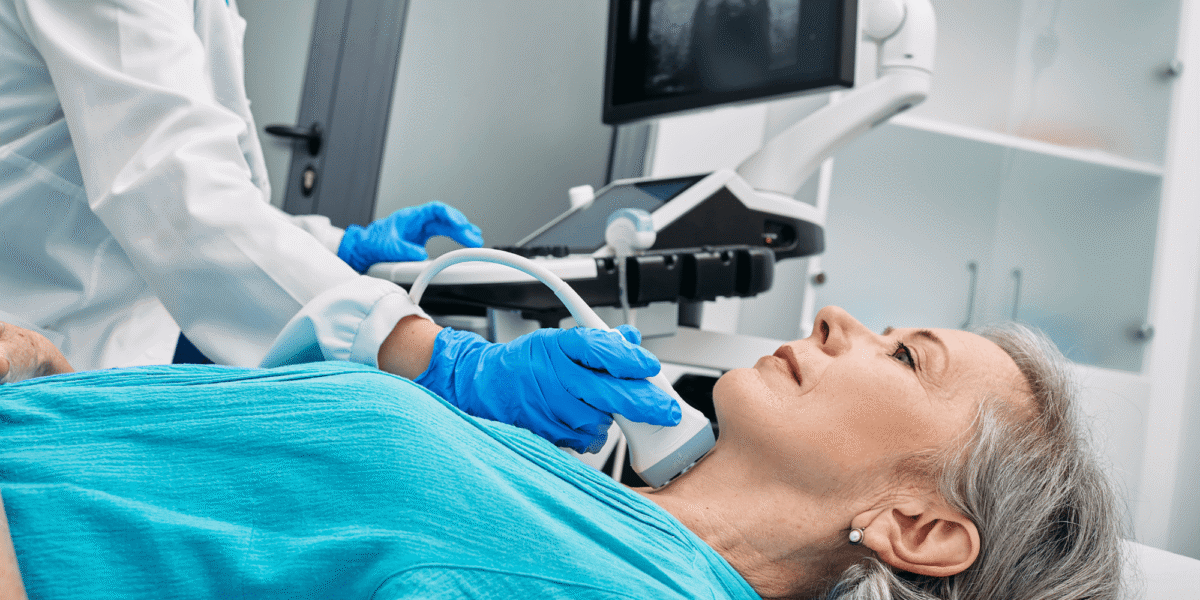
Hypothyroidism occurs when the thyroid gland does not produce enough thyroid hormones to meet the body’s needs. Because thyroid hormones influence metabolism, energy use, temperature regulation, the heart, muscles, brain, and other organs, an underactive thyroid can affect many areas of a woman’s health.
The challenge is that hypothyroidism often develops gradually. Many symptoms are subtle and overlap with common changes that women experience during their 40s and 50s. As a result, thyroid disease can sometimes go unrecognized for months or even years.
At Florida Endocrinology & Diabetes Center, our endocrinology specialists frequently evaluate women who are experiencing unexplained changes in weight, energy, mood, sleep, hair, skin, or menstrual health.
Here are five less-obvious symptoms of hypothyroidism in women over 40 that are worth discussing with your doctor.
1. Brain Fog, Forgetfulness, or Difficulty Concentrating
Have you started forgetting things more often?
Maybe you walk into a room and forget why you went there. Perhaps you struggle to find the right word, have difficulty concentrating at work, or feel like your thinking is slower than it used to be.
Many women understandably associate these changes with stress, poor sleep, perimenopause, or simply getting older.
However, cognitive changes can also occur with hypothyroidism.
Thyroid hormones play an important role in normal brain function. When thyroid hormone levels are too low, some people may experience difficulty concentrating, memory problems, sluggish thinking, or a general feeling of “brain fog.”
The problem is that brain fog isn’t specific to thyroid disease.
The menopausal transition can also be associated with cognitive symptoms, including difficulty concentrating and memory complaints. The American Thyroid Association has highlighted the overlap between cognitive symptoms associated with hypothyroidism and those experienced during menopause.
When should you consider thyroid testing?
If brain fog is persistent, worsening, or occurring alongside other symptoms such as fatigue, unexplained weight gain, constipation, feeling unusually cold, dry skin, or hair changes, it may be worth asking your healthcare provider about thyroid testing.
Don’t assume that cognitive changes are simply something you have to accept with age.
2. Unexplained Weight Gain or Difficulty Losing Weight
Weight gain is one of the symptoms most commonly associated with hypothyroidism—but it is also one of the most misunderstood.
If you have noticed that your clothes are becoming tighter despite eating and exercising as usual, you may wonder whether your metabolism has slowed because of your thyroid.
Hypothyroidism can contribute to weight gain.
Thyroid hormones help regulate how the body uses energy. When thyroid hormone levels are low, many of the body’s processes slow down. Weight gain can occur as part of this process.
However, there is an important distinction.
Not all weight gain after 40 is caused by thyroid disease.
Age-related changes in muscle mass, physical activity, sleep, appetite, menopause, medications, and other metabolic factors can all influence weight.
In addition, thyroid-related weight gain is often more modest than people expect. Treating hypothyroidism can result in some weight loss, but thyroid medication should not be viewed as a general weight-loss treatment.
This is why an endocrinologist should look at your overall metabolic health, rather than assuming that every unexplained pound is caused by the thyroid.
A clue that your thyroid may be involved
Weight gain becomes more suggestive of hypothyroidism when it occurs together with other symptoms such as:
- Persistent fatigue
- Cold intolerance
- Constipation
- Dry skin
- Hair thinning
- Muscle or joint discomfort
- Menstrual changes
- Depression or low mood
Having several symptoms together doesn’t prove you have hypothyroidism—but it is a good reason to discuss testing with your healthcare provider.
3. Changes in Your Hair, Skin, and Nails
Your beauty routine hasn’t changed—but suddenly your hair seems thinner, your skin feels unusually dry, and your nails seem weaker.
Could your thyroid be involved?
Possibly.
Hypothyroidism can affect the skin and hair because thyroid hormones influence multiple processes throughout the body.
Common changes can include:
- Dry or rough skin
- Dry or thinning hair
- Hair loss
- Reduced sweating
- Brittle nails
- Changes in skin texture
The changes may be gradual, which makes them easy to dismiss.
You might think your hair is thinning because of stress. You might blame dry skin on the weather. You may assume brittle nails are simply a nutritional issue.
Sometimes those explanations are correct.
But if several changes appear at the same time—particularly alongside fatigue, weight gain, constipation, or feeling cold—it is worth considering whether your thyroid could be contributing.
Don’t assume every hair change is thyroid-related
Hair loss can have many causes, including nutritional deficiencies, hormonal changes, stress, certain medications, autoimmune conditions, and other medical issues.
That’s why an endocrinologist may consider your complete medical history rather than immediately blaming your thyroid.
4. Feeling Cold When Everyone Else Is Comfortable
Do you find yourself reaching for a sweater when everyone around you seems perfectly comfortable?
Feeling unusually cold can be an overlooked symptom of hypothyroidism.
Thyroid hormones help regulate how the body uses energy and produces heat. When thyroid hormone levels are too low, some people develop increased sensitivity to cold.
This can be particularly easy to overlook because temperature preferences naturally differ between people.
But a noticeable change in your usual tolerance for cold may be worth paying attention to.
For example, you may notice that:
- Your hands and feet feel cold more often.
- You need more layers than you used to.
- You feel uncomfortable in air-conditioned rooms.
- Other people feel comfortable while you feel cold.
Cold intolerance becomes more meaningful when it occurs with other potential symptoms of hypothyroidism.
What else can cause feeling cold?
Thyroid disease isn’t the only possibility.
Anemia, low body weight, certain medications, circulation problems, and other medical conditions can also cause increased sensitivity to cold.
This is another reason why laboratory testing and a medical evaluation are more useful than trying to diagnose yourself based on one symptom.
5. Constipation or a Noticeable Slowdown in Digestion
Constipation may not seem like an endocrine symptom, but slower bowel movements can occur with hypothyroidism.
Thyroid hormones affect many body systems, including the digestive system. When thyroid hormone levels are low, intestinal movement can slow down, potentially contributing to constipation.
You may notice:
- Fewer bowel movements
- Harder stools
- Bloating
- Difficulty passing stool
- A noticeable change from your normal bowel habits
Constipation is extremely common and can be caused by dehydration, inadequate fiber, medications, dietary changes, reduced activity, and numerous gastrointestinal conditions.
But if constipation is new and persistent—especially when it occurs with fatigue, weight gain, cold intolerance, dry skin, or hair changes—it may be appropriate to check your thyroid function.
Why Hypothyroidism Can Be Difficult to Recognize After 40
The biggest challenge isn’t necessarily the symptoms themselves.
It’s the overlap with other changes that commonly occur during midlife.
A woman in her 40s or 50s may experience:
- Irregular periods
- Hot flashes
- Sleep disturbances
- Weight changes
- Mood changes
- Fatigue
- Brain fog
- Changes in hair and skin
- Reduced energy
Some of these can occur during perimenopause or menopause.
Some can occur with hypothyroidism.
And sometimes, both conditions can occur at the same time.
This is why it can be difficult to determine the cause based on symptoms alone.
The American Thyroid Association notes that many symptoms attributed to hypothyroidism are nonspecific and can occur in people with normal thyroid function as well.
If you’re experiencing several new symptoms, don’t assume that they are simply “normal for your age.”
Is It Menopause or Hypothyroidism?
This is one of the most common questions women over 40 ask.
And the answer isn’t always straightforward.
The menopause transition can produce symptoms that overlap significantly with hypothyroidism.
For example, both may be associated with:
- Fatigue
- Mood changes
- Difficulty concentrating
- Weight changes
- Sleep problems
- Changes in menstrual cycles
However, there are also differences.
Hypothyroidism is associated with symptoms such as cold intolerance, constipation, dry skin, dry or thinning hair, slowed heart rate, and weight gain.
Menopause, on the other hand, is commonly associated with changes such as hot flashes and night sweats.
But having one doesn’t exclude the other.
A woman can be going through perimenopause and have hypothyroidism.
That’s why a medical evaluation is important when symptoms are persistent, severe, or changing unexpectedly.
What Causes Hypothyroidism in Women?
There are several possible causes of an underactive thyroid.
One of the most common is Hashimoto’s disease, an autoimmune condition in which the immune system mistakenly attacks the thyroid. Over time, this can damage the gland and reduce its ability to produce thyroid hormones.
Other causes can include:
- Previous thyroid surgery
- Radioactive iodine treatment
- Radiation involving the thyroid or neck
- Certain medications
- Thyroiditis
- Problems involving the pituitary gland
- Rarely, iodine-related problems
Women are significantly more likely than men to develop hypothyroidism. Having a family history of thyroid disease can also increase your risk.
If you have an autoimmune condition or a family history of thyroid problems, your doctor may have an even lower threshold for recommending thyroid testing.
How Is Hypothyroidism Diagnosed?
Here’s an important point:
You cannot diagnose hypothyroidism based on symptoms alone.
Many symptoms of hypothyroidism are also caused by other conditions. A blood test is necessary to determine whether your thyroid is actually underactive.
TSH Test
The thyroid-stimulating hormone (TSH) test is generally the first blood test used to evaluate thyroid function.
TSH is produced by the pituitary gland and signals the thyroid to produce thyroid hormones.
A higher-than-normal TSH commonly suggests that the thyroid is not producing enough hormone.
If TSH is abnormal, your healthcare provider may order additional testing to understand the cause and severity of the thyroid problem.
Free T4
A free T4 test measures the amount of thyroxine available to your body’s tissues.
When TSH is abnormal, free T4 can help determine whether a person has overt or milder thyroid dysfunction.
Thyroid Antibody Testing
If your doctor suspects Hashimoto’s disease, thyroid antibody testing may be appropriate.
One important antibody is thyroid peroxidase (TPO) antibody. TPO antibodies are commonly present in people with Hashimoto’s disease.
Not every patient needs every thyroid test.
Your endocrinologist can determine which tests make sense based on your symptoms, medical history, physical examination, and initial laboratory results.
What Happens If You Are Diagnosed With Hypothyroidism?
Fortunately, hypothyroidism is usually treatable.
The standard treatment is levothyroxine, a medication that replaces the thyroid hormone your body is unable to produce adequately. Levothyroxine is chemically identical to the hormone produced naturally by a healthy thyroid.
The appropriate dose depends on factors such as your thyroid function, age, health history, medications, and other individual circumstances.
After treatment begins, your doctor will generally monitor thyroid blood tests and adjust the dose when necessary.
The goal isn’t simply to make a laboratory number “normal.”
It is to restore appropriate thyroid hormone levels and manage the underlying condition safely.
What If Your Thyroid Tests Are Normal?
This is an important question.
If your thyroid tests are normal, it means your symptoms are likely being caused by something other than hypothyroidism.
That doesn’t mean your symptoms aren’t real.
Fatigue, weight changes, brain fog, hair loss, sleep problems, and mood changes can have many possible causes.
Depending on your symptoms, your endocrinologist or primary care provider may consider other factors, such as:
- Menopause or perimenopause
- Iron deficiency
- Vitamin deficiencies
- Diabetes or prediabetes
- Sleep disorders
- Medication effects
- Mental health
- Nutritional issues
- Other hormonal disorders
This is why taking thyroid medication when your thyroid function is normal is not a recommended strategy for weight loss or general wellness.
Thyroid hormone should be used to treat a genuine thyroid hormone deficiency under medical supervision.
When Should a Woman Over 40 Have Her Thyroid Checked?
There isn’t one universal thyroid-testing schedule that applies to every woman over 40.
However, you should consider discussing thyroid testing with your healthcare provider if you develop persistent or unexplained symptoms such as:
- Unexplained weight gain
- Persistent fatigue
- New cold intolerance
- Constipation
- Dry or thinning hair
- Significant hair loss
- Dry skin
- Menstrual changes
- Fertility difficulties
- Depression or unexplained mood changes
- Memory or concentration problems
- Muscle or joint discomfort
- A feeling of fullness or swelling in the neck
Testing may also be particularly appropriate if you have a personal or family history of thyroid disease or an autoimmune condition.
A healthcare professional can determine whether testing is appropriate for you.
Don’t Blame Everything on Age
One of the biggest mistakes women can make in their 40s and 50s is assuming that every new symptom is simply part of getting older.
Some changes are normal.
But persistent or significant changes deserve attention.
If your energy has changed dramatically, your weight is increasing without an obvious explanation, your periods have changed substantially, or you’re struggling with brain fog and cold intolerance, don’t simply accept it as something you have to live with.
Sometimes the cause is thyroid disease.
Sometimes it’s menopause.
Sometimes it’s something entirely different.
And sometimes more than one factor is contributing.
An endocrinology evaluation can help separate these possibilities.
The Bottom Line: Know the Hidden Signs of Hypothyroidism
Hypothyroidism doesn’t always announce itself with obvious symptoms.
For women over 40, the signs can be subtle and easily confused with stress, aging, menopause, or a busy lifestyle.
The five hidden symptoms to watch for are:
- Brain fog and difficulty concentrating
- Unexplained weight gain or difficulty losing weight
- Changes in hair, skin, or nails
- Increased sensitivity to cold
- Constipation or slowed digestion
These symptoms don’t automatically mean that your thyroid is underactive. Many can occur for other reasons, and symptoms alone cannot diagnose hypothyroidism. Blood testing—typically beginning with TSH and, when appropriate, additional thyroid tests—is needed to determine whether your thyroid is functioning normally.
At Florida Endocrinology & Diabetes Center, our endocrinology specialists take a comprehensive approach to thyroid health. We evaluate symptoms, laboratory results, medical history, and other possible causes to help women understand what’s really behind changes in their health.
If you’re over 40 and experiencing unexplained fatigue, weight changes, brain fog, cold intolerance, or other persistent symptoms, don’t assume they’re simply part of aging. Talk with an endocrinology specialist and find out whether your thyroid could be playing a role.
This article is intended for educational purposes only and should not replace personalized medical advice, diagnosis, or treatment from a qualified healthcare professional.